
Last updated November 16, 2026
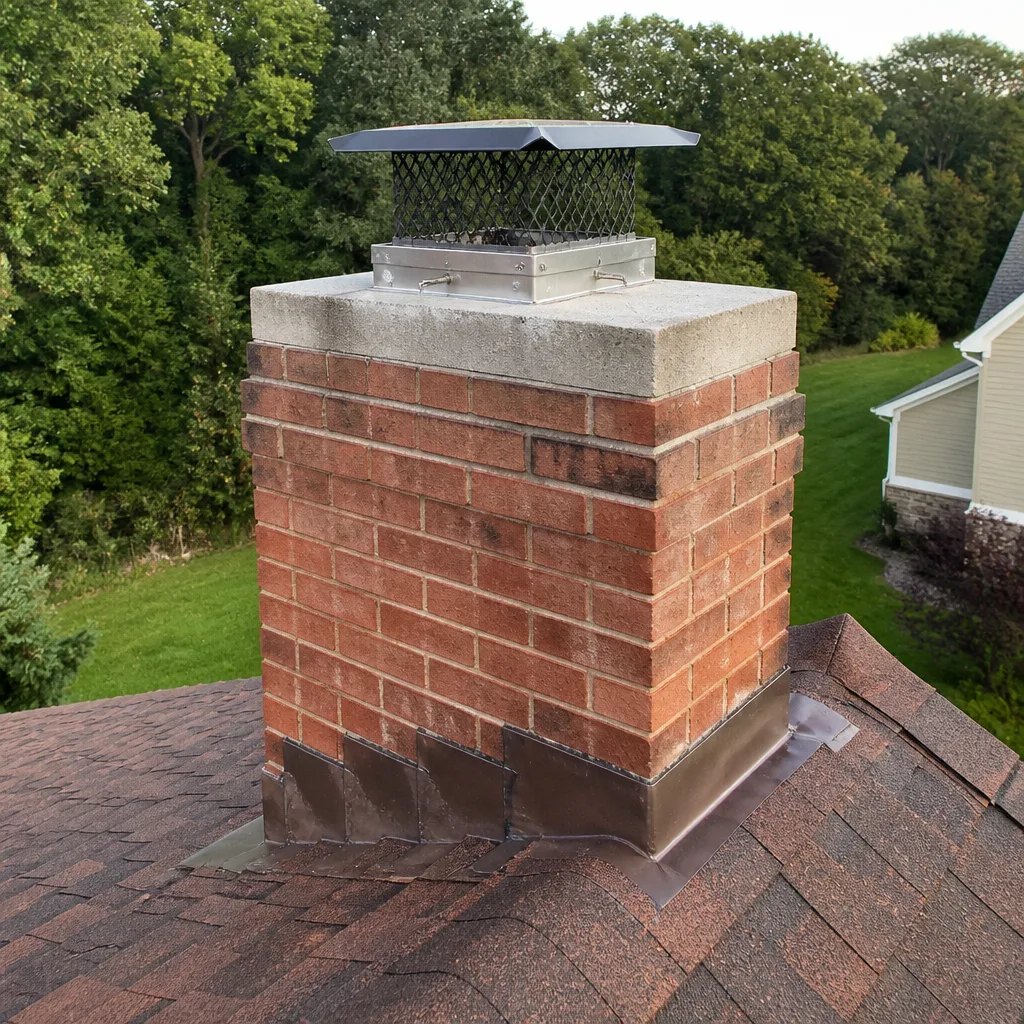 Sweep & inspection
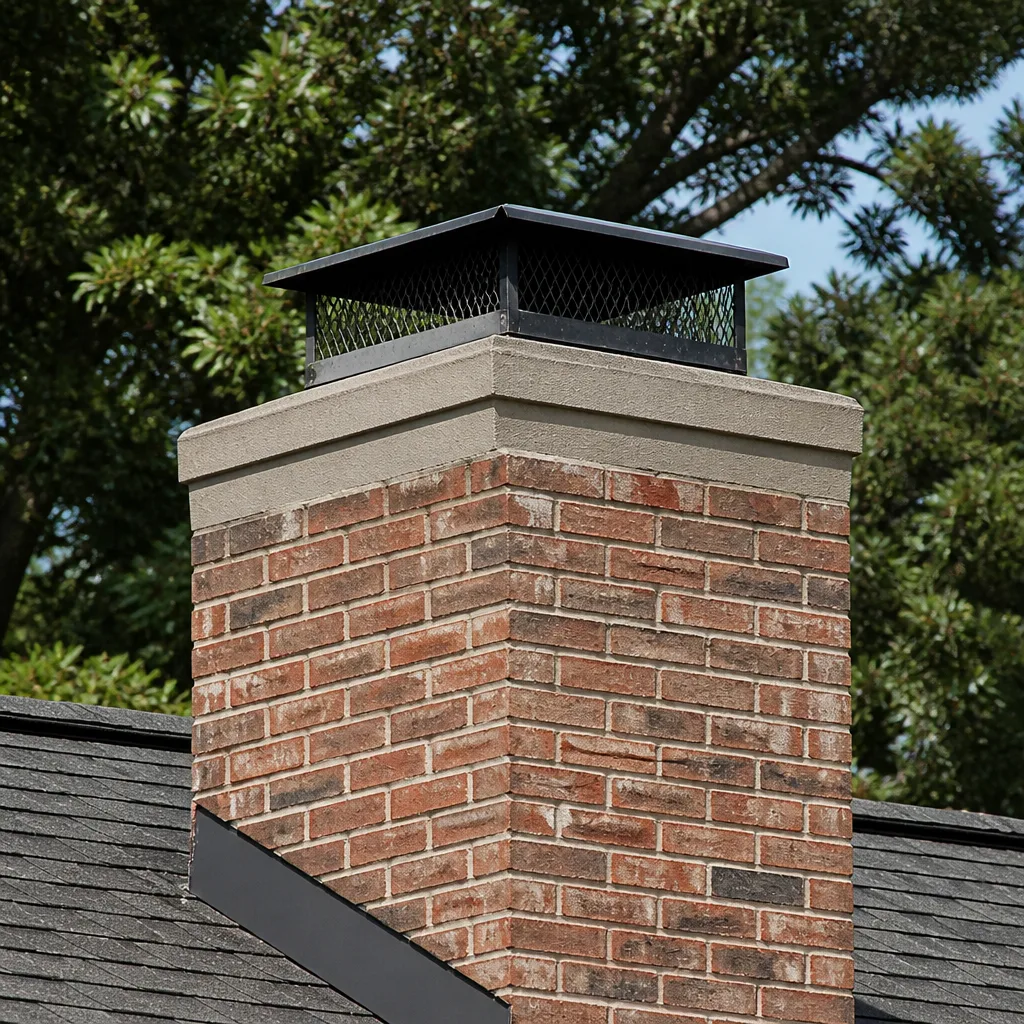 Caps & crowns
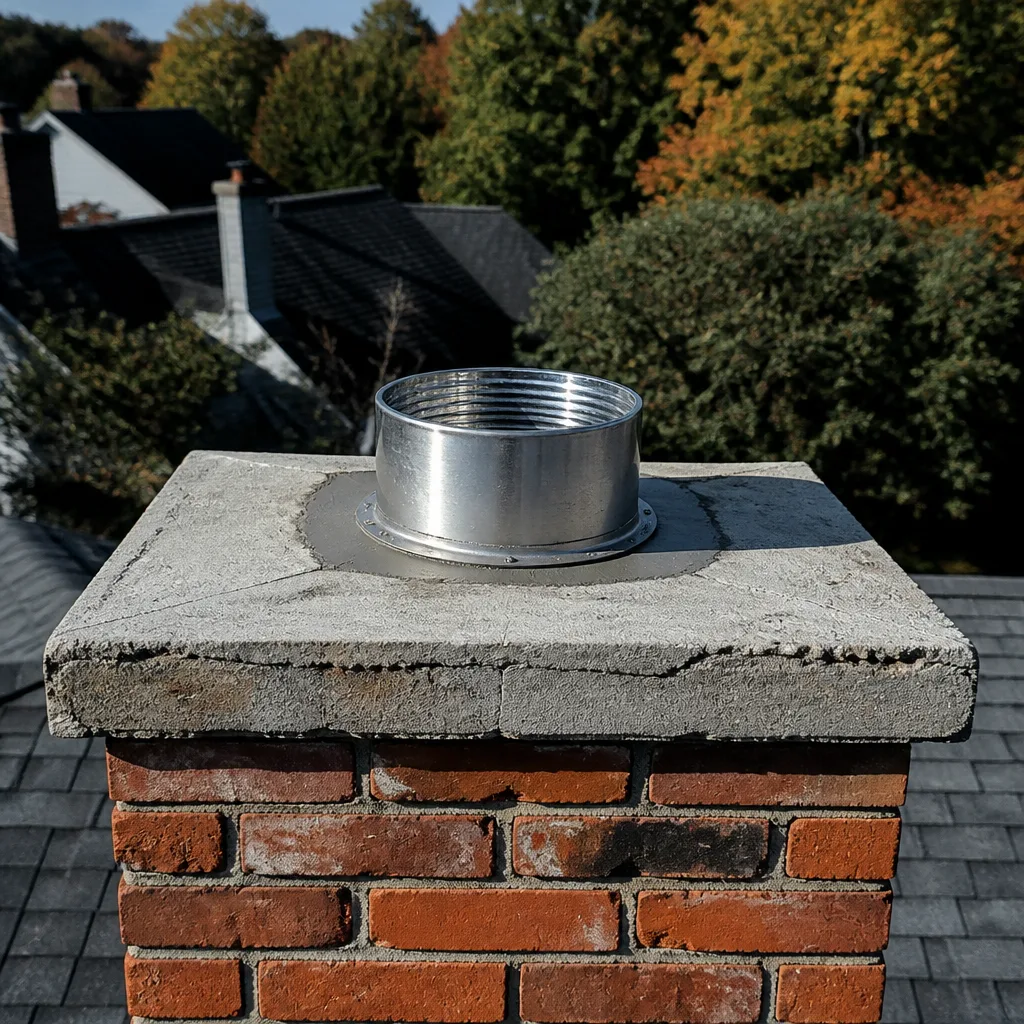 Flue relining
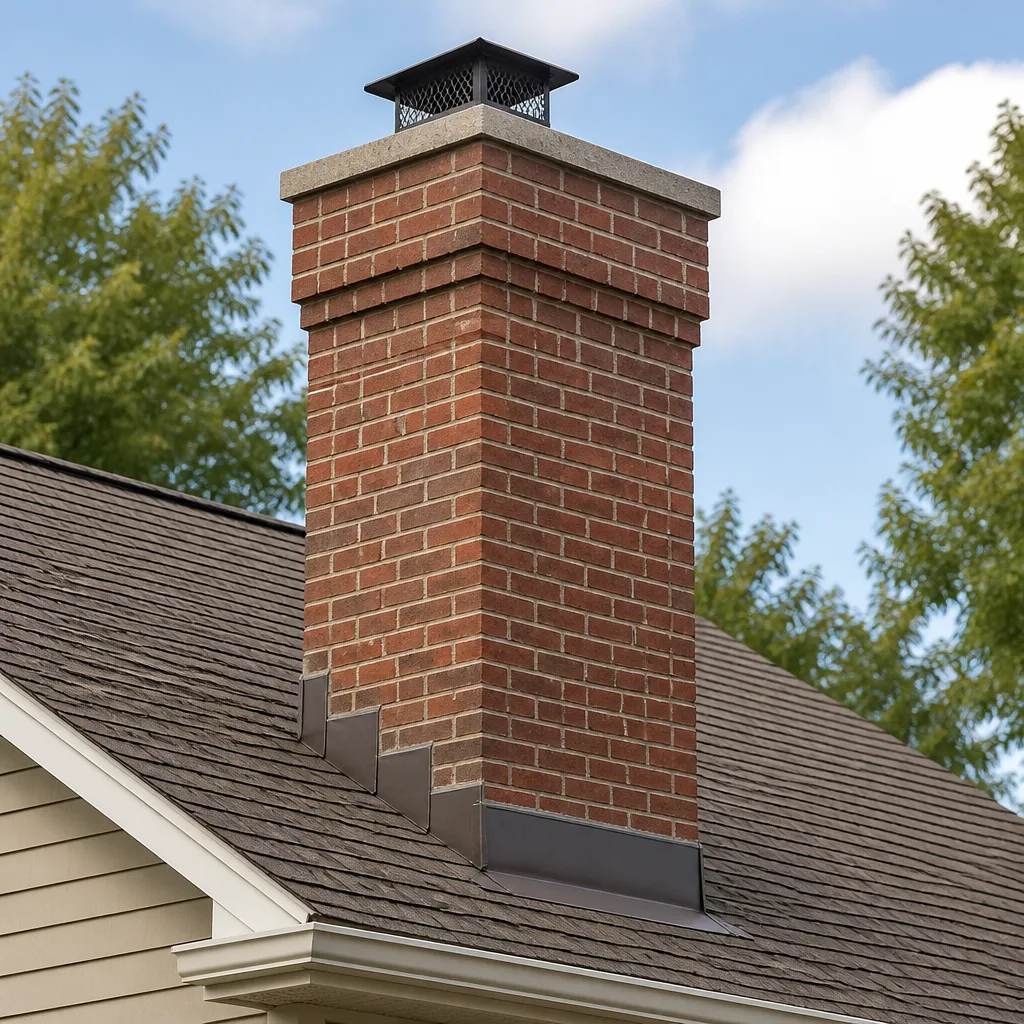 Masonry repair
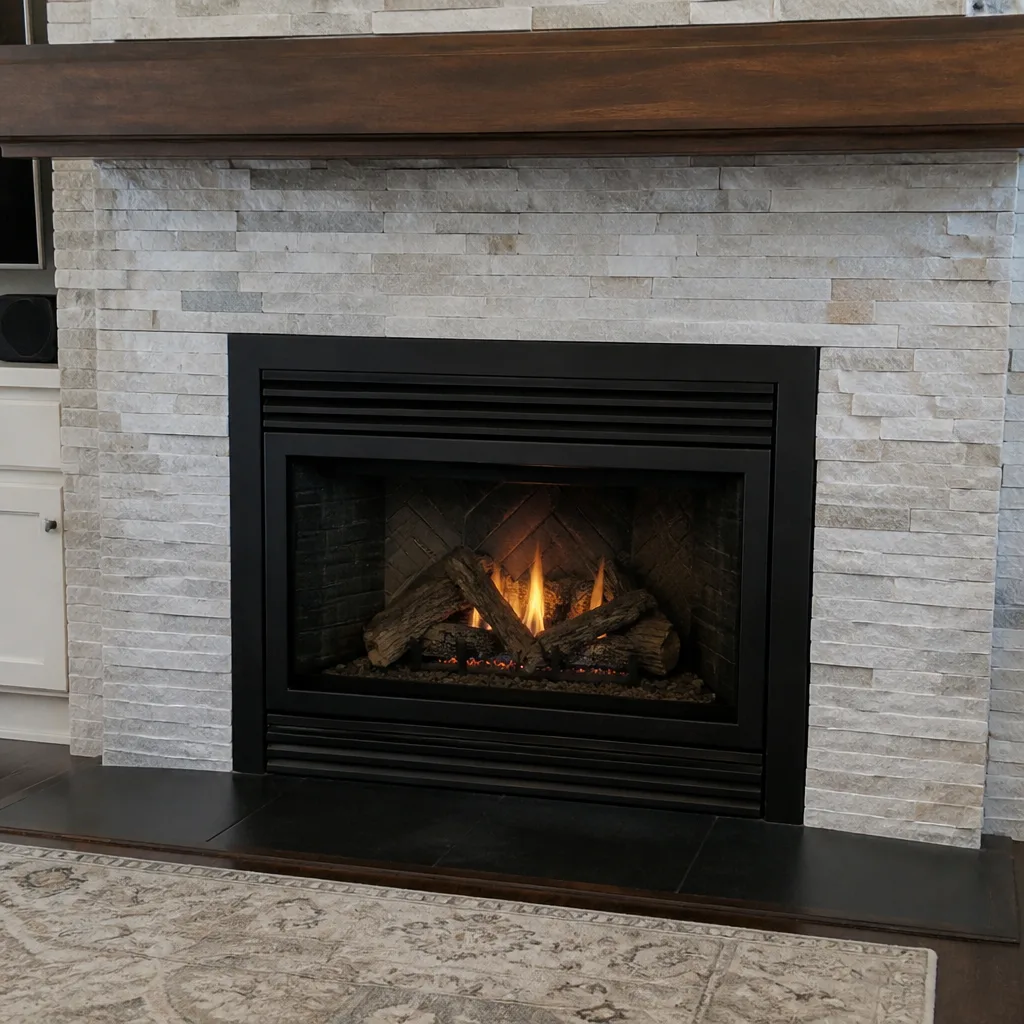 Gas fireplace service
Level 1 sweep and inspection to the NFPA 211 annual standard - flue, crown, cap, and flashing checked and photographed
Chimney sweep logs do not sweep chimneys. They loosen some creosote - which then falls where a brush and vacuum still have to collect it.
Chimney Cleaning Warning Signs: A Winston-Salem Homeowner’s Reference Guide
A smoky fireplace isn’t always a dirty chimney. That’s the first thing to unlearn. When smoke rolls out of the firebox instead of up the flue, the cause might be a pressure imbalance in a house that’s been tightened up with new windows and insulation, a bird’s nest lodged against a cap screen, or a flue that’s too short for the chimney’s height. A sweep who only cleans will clean, take your money, and leave the real problem in place. Reading the warning signs correctly is what tells you which service call you actually need. This guide walks through what each symptom points to, which signs mean stop burning now, which can wait for a scheduled appointment, and how to look at your chimney’s exterior from the ground in Winston-Salem without climbing anything. We treat your chimney as a system, not just a dirty flue, and this is how to start seeing it that way too.
Quick Answer
The warning signs that call for a chimney cleaning are a buildup of dark, crusty or flaky residue on the flue walls (creosote), smoke backing into the room during a fire, a strong acrid smell from the firebox in warm weather, and visible soot staining around the damper or smoke chamber. Signs that need urgent attention before you light another fire include white chalky staining on exterior brick, water standing in the firebox, a cracked or missing chimney crown, or a flue with visible gaps or broken tiles. Everything else, including a rusty cap or loose mortar joints on the exterior, can typically wait for a scheduled appointment as long as the chimney isn’t in active use.
Styles & brands we work with
- Sweep & inspection
- Caps & crowns
- Flue relining
- Masonry repair
- Gas fireplace service
Table of Contents
- The Symptom-to-Cause Matrix: What Each Warning Sign Actually Means
- Reading Odors: Creosote, Mold, and Animal Intrusion
- Urgent vs. Can-Wait: How to Sort a Warning Sign in 30 Seconds
- What to Look For on the Exterior (Safely, From the Ground)
- Why Some Warning Signs Only Appear in Certain Conditions
- How to Document a Warning Sign Before the Sweep Arrives
- The Winston-Salem Seasonal Pattern and What It Means for Your Chimney
- What Happens During a Sweep Once We’re There
The Symptom-to-Cause Matrix: What Each Warning Sign Actually Means
Most homeowners read a chimney warning sign as a single message: “the chimney needs cleaning.” Sometimes that’s right. More often, the sign points to one specific component in the system, and knowing which one saves you a wasted service call and steers you toward the right fix the first time. Here’s the matrix we use when a Winston-Salem homeowner calls with a complaint.
Smoke rolling back into the room during a fire
Smoke backdraft has at least four common causes, and only one of them is a dirty flue. A heavy creosote load can narrow the flue enough to stall the draft, but so can a blocked cap screen, a flue that’s too short for the chimney height, a house that’s been tightened with new windows or spray foam and now pulls air down the chimney instead of up, or a negative-pressure problem caused by a kitchen or bath exhaust fan running at the same time. If the smoke rollback only happens when the furnace or a bathroom fan is running, you likely have a pressure problem, not a cleaning problem, and a sweep alone won’t fix it.
White staining on exterior brick
White, chalky staining on the outside of a brick chimney is efflorescence, and it means water is moving through the masonry, dissolving salts, and depositing them on the surface as it evaporates. It usually points to a crown crack, failed flashing, or missing mortar joints letting water in. Left alone, water in the masonry freezes and expands during Winston-Salem’s hard winter cold snaps and can spall the brick face off entirely. Efflorescence is a repair sign, not a cleaning sign, and it should be looked at promptly.
Water in the firebox or a damp firebox floor
Water inside the firebox is almost always a top-of-chimney problem: a cracked crown, a missing or damaged cap, or failed flashing where the chimney meets the roof. Rain runs down the inside of the flue and pools at the bottom. This is urgent, because the water is sitting right next to your damper and smoke chamber, both of which rust and deteriorate quickly when they stay wet. A chimney repair visit should address the flashing and crown before the next rain cycle.
Dark staining around the damper or smoke chamber
Soot and creosote staining around the damper frame, the smoke shelf, or the throat of the fireplace is a straightforward indicator that combustion byproducts are condensing in the chimney rather than exiting cleanly. It usually means the flue is due for a sweep, and it can also indicate a partially closed damper, poor draft, or a smoke chamber that needs parging. A camera inspection will tell you which of these is happening. HeatShield ceramic sealant is the system we use to smooth and seal a rough smoke chamber when parging is the fix.
The acrid smell of old smoke in summer
That sharp, campfire-meets-tar smell that creeps down from the fireplace in July and August is creosote off-gassing as the outside air gets warmer and more humid than the air in the flue. It’s the classic “my chimney needs a sweep” sign, and in most cases it is. But the summer odor has two impostors, and it’s worth ruling them out before we schedule the wrong service.
Reading Odors: Creosote, Mold, and Animal Intrusion
Odor is the diagnostic tool homeowners use most and trust least, because three very different problems smell like “something’s wrong with the chimney.” Learning to tell them apart cuts down on unnecessary service calls and gets the right fix scheduled sooner.
Creosote odor
Creosote smells sharp, tarry, and burnt, like an old campfire that got wet. It’s most noticeable on humid days and in summer, when warm outside air pushes the smell down the flue and into the living space. A slight creosote smell after a fire has burned out is normal. A smell that lingers for weeks, or that shows up even when you haven’t burned in months, means the creosote load is significant enough that a sweep should be scheduled.
Mold odor
Mold smells musty, earthy, and damp, more like a wet basement than a fireplace. If the smell coming down the chimney is musty rather than smoky, water is getting into the chimney somewhere, most often through the crown or flashing. A sweep won’t fix mold, and neither will a bottle of enzyme spray. The source of the water has to be found and sealed. That’s a repair call, and it’s worth doing promptly, because the longer water sits in the masonry, the more the repair grows.
Animal intrusion odor
Animal odor is sharper and more obviously biological: it smells like a nest, droppings, or a dead animal. It happens most often in fall and early winter, when birds, squirrels, and raccoons look for warm shelter and discover that an uncapped flue is a perfect one. A missing or damaged chimney cap is nearly always the entry point. Gelco and Famco chimney caps close the door for good, and unlike cheap replacements, they hold up to the wind, rain, and freeze-thaw cycles that a Winston-Salem chimney sees.
Why the distinction matters
Each odor points to a different service:
- Creosote → sweep (and possibly a camera inspection to determine the creosote level)
- Mold → water intrusion repair (crown, flashing, cap, or masonry sealing)
- Animal → cap installation plus a sweep to clear the flue, and possibly a liner check if the intrusion damaged the flue
If you can’t tell the three apart, don’t guess. A full-system inspection pairs with every sweep we do, so the written report will tell you exactly what’s in the flue and how to handle it.
Urgent vs. Can-Wait: How to Sort a Warning Sign in 30 Seconds
Not every warning sign needs to change your weekend. Some mean stop using the fireplace today. Others mean book an appointment and go about your week. Here’s how we sort them, and the reasoning behind each category.
Urgent: stop burning, call now
- A glazed, shiny, or puffy creosote layer visible on the flue. Stage three creosote, the hardened glazed kind, is fuel. A single hot spark can ignite it, and a chimney fire can burn fast enough to crack the flue. Stop burning until a sweep has cleared it.
- White staining on exterior brick plus water in the firebox. Both signs together mean water is actively getting into the chimney every time it rains. The damper and smoke chamber are rusting as you read this.
- A cracked, spalling, or missing chimney crown. The crown is the concrete cap at the top that sheds water off the whole chimney. If it’s failing, the masonry beneath it is on borrowed time.
- Visible gaps, broken tiles, or missing mortar in the flue. Any breach in the flue means combustion gases, including carbon monoxide, can reach the house interior. Stop using the fireplace immediately and have the flue inspected.
- Persistent smoke rollback that gets worse each time you light a fire. A draft problem that gets worse is straining the whole system and can indicate a partial blockage.
- Flakes of creosote falling into the firebox when you tap the flue. That’s a sign of heavy buildup that’s already loosening. A sweep should address it before the next fire.
Can wait for a scheduled appointment
- A moderate soot layer, no glazing. Book a sweep, keep burning lightly or pause until the visit.
- A rusty or bent chimney cap. It needs replacing, but it’s not an active hazard. Copperfield caps and Gelco and Famco models are what we install when it’s time.
- Efflorescence without water in the firebox. Still a repair sign, still worth fixing soon, but the active water problem is the urgent piece. If there’s no water inside the firebox, the water may have already dried from the last rain and the next appointment is fine.
- A creosote smell in summer with no visible glazing. Sweep ahead of the burning season.
- Loose mortar joints on the exterior without a visible gap. Repoint at the next convenient appointment.
- A missing cap that hasn’t yet led to an animal intrusion. Cap it before fall, when the animals start looking for shelter.
One rule of thumb worth keeping: if the sign involves water inside the chimney, stop burning until we’ve looked at it. Water rusts metal components fast, and the fireplace system is all metal parts.
What to Look For on the Exterior (Safely, From the Ground)
Every exterior check in this section is done from the ground with binoculars or a camera zoom, not from a ladder or the roof. Roof access is for trained technicians. Falls are the leading cause of serious injury in this trade, and the view from the ground is almost always enough to make a referral call.
The crown
Look at the top of the chimney where the flue exits. The crown should be an intact concrete surface with a slight slope away from the flue. Cracks, missing chunks, moss growth, or a crown that’s separated from the brick are all signs of water finding its way in. A crack wider than a hairline, or one you can see daylight through, is worth a call.
Mortar joints and brick faces
Run the binoculars down the sides of the chimney. The mortar joints should be full, with no visible recession. Brick faces should be intact. Look for:
- Crumbling or recessed mortar (pointing failure)
- Brick faces flaking or peeling (spalling, usually caused by freeze-thaw of water-soaked brick)
- White chalky patches (efflorescence, a sign water is moving through the masonry)
- Dark staining low on the chimney (an interior leak somewhere above)
The cap
A cap is a small cage or lid that sits over the top of the flue. It should have a screen on the sides and hold its shape. Look for rust, missing screen panels, bent or collapsed sides, or a cap that’s clearly come loose from the flue. Any of these means the chimney is open to birds, squirrels, and rain. A cap replacement is one of the least expensive repairs a chimney owner can make and one of the best protections against more expensive problems down the road.
Flashing
Flashing is the metal where the chimney passes through the roof. You can usually see part of it from the ground with binoculars. Look for lifted metal, gaps between the flashing and the chimney or roof, visible sealant that’s cracked and peeling, or rust. Flashing failure is the most common source of chimney leaks, and it’s the source of most of the water-in-firebox calls we get in Winston-Salem.
What to do with what you see
Write it down, take a photo, and mention it when you call. If you don’t see anything obvious, that’s not proof the chimney is fine; interior problems won’t always show on the outside. A proper inspection uses a camera to see what the ground view can’t.
Why Some Warning Signs Only Appear in Certain Conditions
Chimney problems have a habit of staying quiet until the weather does something specific. That’s why a home inspection in June might not catch a leak that shows itself in a January thaw. Knowing which conditions expose which signs lets you be ready with a camera when the signal shows up.
Rain-driven signs
Water in the firebox, damp firebox walls, and drips at the damper typically appear during or just after a sustained rain. If you see them, you’ve found a leak. Don’t wait for the next rain to “confirm it.” Water in the firebox is already doing damage. The roof-to-chimney contact point, the crown, and the flue top are the three most likely entry points.
High-wind signs
Backdraft and smoke rollback often show up strong on windy days. Wind across the top of the chimney creates pressure changes that can push smoke back down the flue, especially if the chimney’s height is barely adequate or the cap is partially blocked. If the fireplace only misbehaves when the wind comes from a particular direction, note it. It’s a useful clue for the technician.
Cold-snap signs
Sustained cold snaps are when freeze-thaw damage accelerates. A crown crack that was stable in October can widen noticeably after a February freeze. Efflorescence on the exterior often becomes visible right after a freeze-thaw cycle. If you notice new staining or spalling after a cold snap, that’s your cue to have the exterior inspected before the next spring rain pushes water in deeper.
Humid-weather signs
The creosote smell that lives in the back of the flue tends to make itself known on hot, humid summer days. That’s when we get the most calls about it. Book the sweep on a cool morning and the smell will wait for you.
Why documenting conditions matters
A technician who knows what the weather was doing when the sign appeared can narrow the diagnosis much faster than one who’s told only “the fireplace is smoking.” Note the condition, the time, and what you saw. A short phone video taken at the right moment is worth a lot more than a memory of it three weeks later.
How to Document a Warning Sign Before the Sweep Arrives
The best chimney call starts with good notes. A technician can work from a vague description, but the visit will be faster and more accurate if you’ve done a little legwork beforehand. Here’s the process we recommend to Winston-Salem homeowners who want to get the most out of the first visit.
- Note the date, time, and weather. Rain, wind, temperature, and humidity all matter. Write down what the weather was doing when you saw the sign.
- Take photos. Photograph the exterior of the chimney from the ground, the top of the chimney with a zoom lens if you can, the firebox interior, the damper area, and the firebox floor. A phone camera through the open firebox door works fine. If you can see the flue with a flashlight, photograph what you can see.
- Record a short video if the symptom is intermittent. If smoke backdrafts only when the kitchen fan is on, film it. Don’t try to explain it, just demonstrate it.
- Write down the symptom in plain words. “Smoke came into the room about 10 minutes after lighting the fire, only when the dishwasher was running” is a good note. “Chimney problem” is not.
- List what you’ve already tried. Did you open a window? Did you check that the damper is fully open? Did the symptom go away? All of this is useful.
- Have your last service record handy. When was the chimney last swept, and by whom? If you don’t know, say so. The technician will inspect from scratch.
- Mention any recent changes to the house. New windows, added insulation, a new furnace, or a bath fan installed near the chimney can all change the pressure balance the chimney relies on.
Notes like these are how you turn a “something’s off” feeling into a specific finding before the appointment starts. Full-system inspection pairs with every sweep Jasper Chimney Sweep performs, so you’ll leave the visit with a written understanding of your chimney’s condition, not just a cleaning receipt.
The Winston-Salem Seasonal Pattern and What It Means for Your Chimney
Chimney problems in Winston-Salem follow a fairly predictable yearly rhythm, and knowing it helps you schedule around the busy windows instead of in the middle of them.
Fall: the last clear window before the burning season
Fall is when most homeowners realize the fireplace is about to see regular use. A sweep booked in early fall catches the creosote load before the first fire, and the inspection can flag any repairs that should happen before winter. The weather in Winston-Salem in fall is still mild enough that masonry repairs cure well and exterior work is comfortable. Fall is also when animals start looking for shelter, so a cap inspection matters.
Winter: the burning season
Through the winter, the fireplace runs hard. By February, a chimney that got light use in October can have a significant creosote load. This is also the season for freeze-thaw damage on exterior masonry, and the season when water in the firebox is most obvious because the temperature contrast makes it easier to spot. If the fireplace starts misbehaving mid-season, don’t wait for spring.
Spring: water intrusion season
Spring rain is when flashing failures and crown cracks announce themselves. Water in the firebox, damp walls, or efflorescence on the exterior are common signs during a wet Winston-Salem spring. Schedule the repair early, because masonry moisture problems grow quickly once the season is wet.
Summer: the smell season
Humid summer air against a cool flue pushes creosote smell down into the living space. It’s the classic “I need a sweep” season. Book it now, and by the time the burning season arrives in fall, the chimney will be ready.
Around the holidays
The holidays fall right in the middle of the burning season, and they’re also when guests stay in the house, wood burns for hours, and the fireplace sees some of its heaviest use. If the chimney hasn’t been inspected before the holidays, that’s worth planning for. If it’s already been serviced, the season should run smoothly.
What Happens During a Sweep Once We’re There
If the warning signs point to a sweep, here’s what a proper visit looks like. The order matters, because inspection before cleaning and cleaning before inspection both have a purpose.
- Arrival and setup. We put down drop cloths, seal off the firebox opening with a dust guard, and get the workspace ready before any tools come out.
- Exterior look. We check the crown, cap, flashing, and brick from the ground and, when the job calls for it, from roof access. Photographs of anything we find go into the report.
- Firebox and damper inspection. We check the damper operation, the firebox walls, and the smoke chamber for staining, cracking, or rust.
- Sweep the flue. The flue gets brushed with chimney-specific tools sized to the flue, and the debris is captured, not released into the room.
- Camera inspection. A camera goes up the flue to look at the liner, joints, and any offsets. This is where we see what the naked eye can’t, and where we determine the creosote stage.
- Repairs, if needed. If the inspection finds a failed flue, a rough smoke chamber, or a damaged crown, the same team that inspected and swept handles the repair. HeatShield ceramic sealant reskins a flue or smooths a rough smoke chamber when that’s the right fix. DuraFlex flexible liner systems reline the chimney when the existing flue can’t be saved. Both are professional-grade systems, not big-box substitutes, and they’re the systems certified chimney technicians rely on. Olympia Chimney components and Copperfield products round out the parts we use when a specific repair calls for them.
- Photo report and written summary. You leave the visit with a written report and photographs of what we found. If there’s a repair that can safely wait, we say so.
Common Mistakes to Avoid
- Treating every smoke problem as a cleaning problem. A dirty flue is one of at least four causes of smoke rollback. If the smoke only shows up when a fan is running or a window is open, a sweep alone won’t fix it, and you’ll be calling again next fall.
- Judging the flue by the firebox. A clean-looking firebox says nothing about the inside of the flue. Creosote builds up above the damper, out of sight, and a camera inspection is how it gets seen.
- Climbing onto the roof to check it “really quick.” Every year, homeowners injure themselves on roofs to check something a technician can see safely from the ground. Use binoculars, use a zoom lens, use a call to a professional, but stay off the roof.
- Waiting for the creosote smell to go away on its own. It doesn’t. It’s telling you the load in the flue is heavy enough that it’s escaping into the room as a gas, and a sweep is the answer.
- Using a general handyman for flue work. A handyman can install a cap. Relining a flue, sealing a smoke chamber with HeatShield, or diagnosing a draft problem takes chimney-specific training and chimney-specific tools. The wrong repair is costlier than the right one done once.
- Skipping the exterior check because “the fire burns fine.” Efflorescence, crown cracks, and flashing failures do their damage below the surface before they affect burning. By the time the fire misbehaves, the water damage is already significant.
- Letting the season pick the timing. The busiest weeks of the year for chimney work in Winston-Salem are the weeks just before the burning season. Booking in early fall or mid-summer beats booking in the middle of the rush.
See the difference
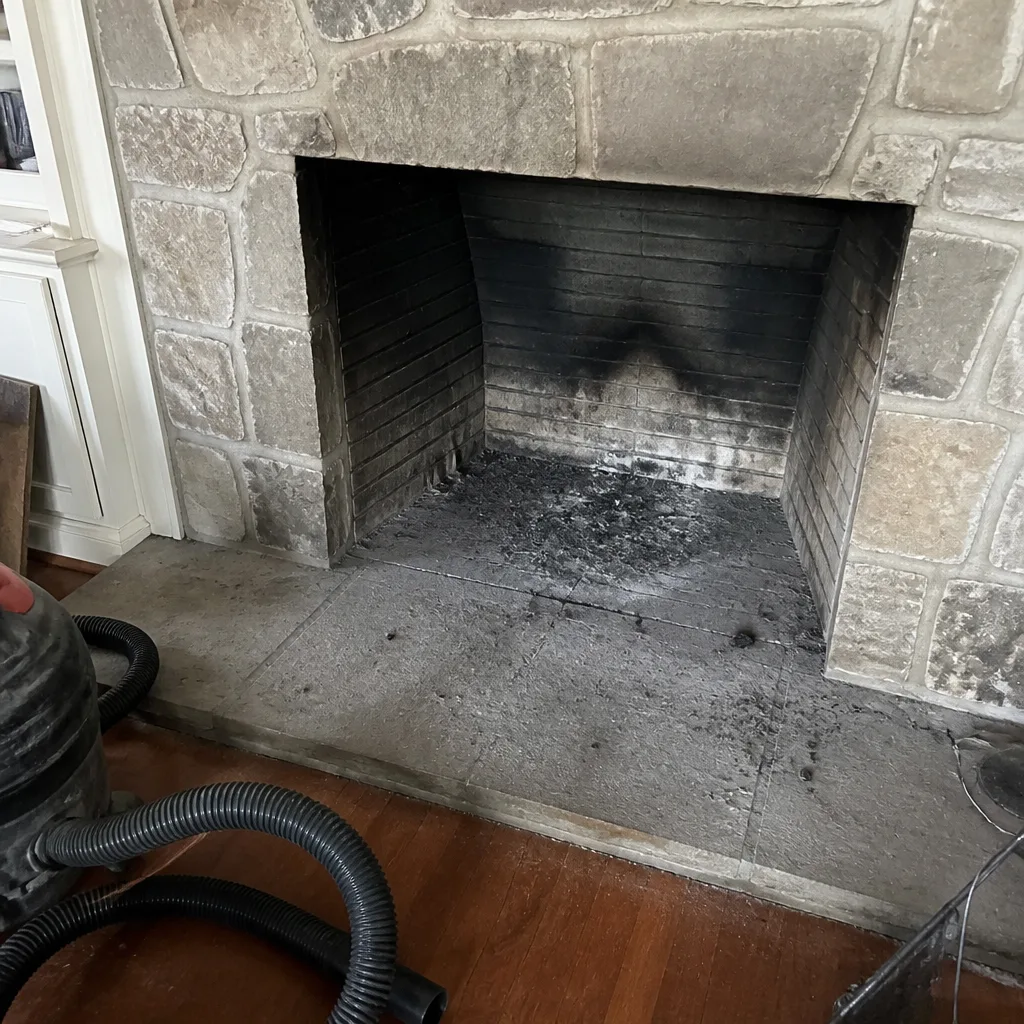 Before
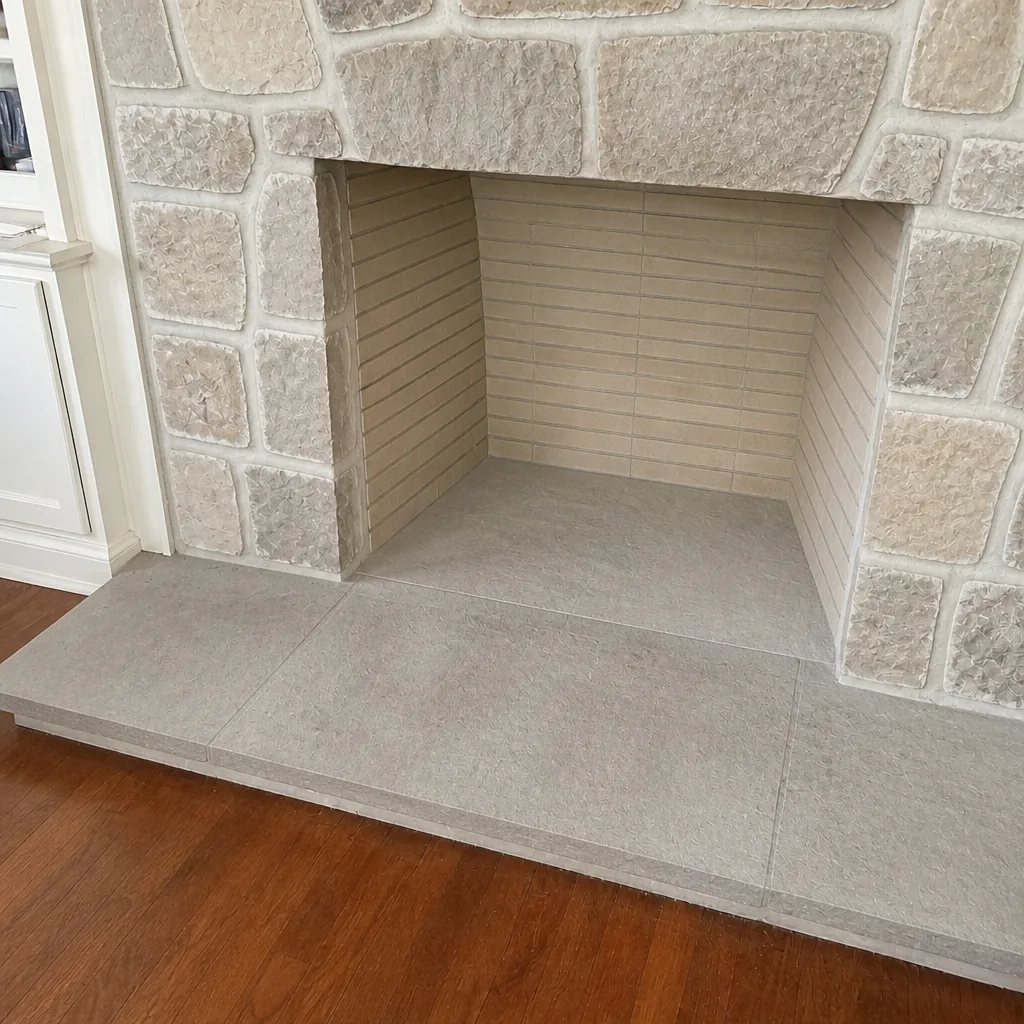 After
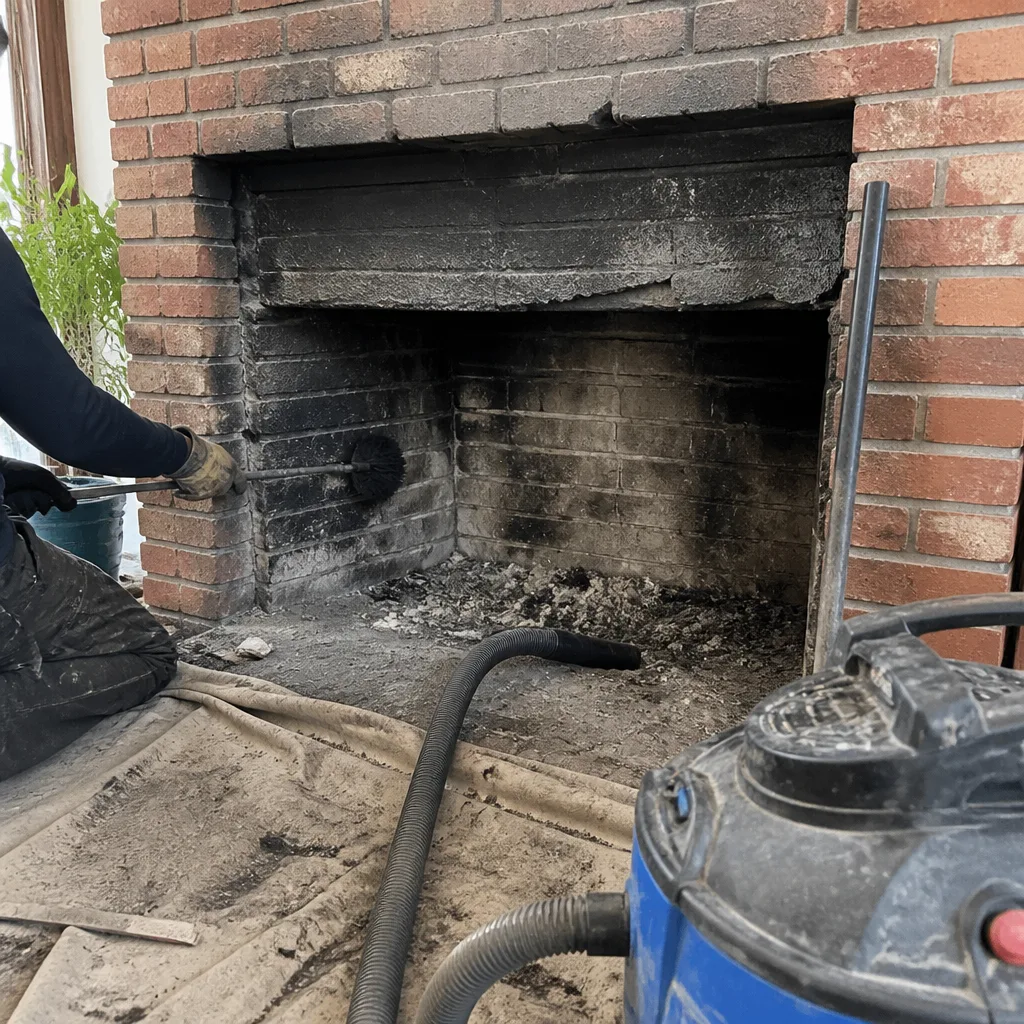 Before
 After
 Before
 After
When to Call a Professional
Call a professional when the sign involves water inside the chimney, when you see glazed or flaky creosote on the flue walls, when the firebox has visible staining or rust, or when the chimney has a cracked crown, missing cap, or failed flashing. Call before your next fire if the fireplace smoked into the room even once. Call before the burning season if you haven’t had the chimney inspected in the last year. Call if a home insurance carrier has flagged the chimney for maintenance. Call if the whole-house smell in summer has shifted from “campfire” to “musty” because that’s a leak, not a sweep. And call if you simply don’t know what’s normal, because the inspection is where the unknowns get answered. Jasper Chimney Sweep offers free estimates in Winston-Salem, and we answer 24/7. Call (866) 343-2983 with fast dispatch from 7am to 7pm, Sunday through Friday. Our technicians have up to 9 years of experience, and the team that inspects is the same team that sweeps and repairs.
Frequently Asked Questions
The general rule is once a year for a chimney in regular use, and the same schedule applies in Winston-Salem as anywhere else. A chimney used only occasionally can sometimes go longer between sweeps, but it should still be inspected annually because the creosote level, the flue condition, and the exterior systems all need to be looked at. If you haven’t had a sweep in more than a year and the fireplace has seen regular use, book it. Call (866) 343-2983 for an exact quote; estimates are free.
No. Smoke backdraft has at least four common causes, and a dirty flue is only one of them. A blocked cap screen, a pressure problem caused by new windows or a running exhaust fan, and a flue that’s too short for the chimney height can all produce the same symptom. A camera inspection is the fastest way to find the actual cause. Call (866) 343-2983 for an inspection appointment.
The summer creosote smell means warm humid outside air is pushing creosote vapor down the flue and into the living space. It’s a real signal that the creosote load is significant enough to be smelled from inside the house, and it’s the most common reason homeowners book a sweep. Book it before the burning season. Call (866) 343-2983 for an exact quote; estimates are free.
No. A sweep clears the flue but doesn’t evaluate the liner, joints, crown, flashing, or smoke chamber. The two services do different jobs, and skipping the inspection means you don’t get the written understanding of your chimney’s condition that the sweep was meant to support. Jasper Chimney Sweep pairs a full-system inspection with every sweep, so the two arrive together. Call (866) 343-2983 for an exact quote; estimates are free.
Intermittent signs are still signs, and they’re often the most diagnostic. Rain-only water in the firebox points to a leak at the crown, cap, or flashing. Wind-only smoke rollback points to a draft or cap issue. Photograph or film the symptom when it appears, note the weather, and share the notes when you call. It saves time and steers the repair toward the right cause the first time. Call (866) 343-2983 for an exact quote; estimates are free.
Yes, and you should. The crown, cap, flashing, mortar joints, and brick faces are all visible from the ground with binoculars or a camera zoom, and they’re the exterior signs that catch problems early. What you can’t see from the ground is the inside of the flue, and that’s what the camera inspection is for. Stay off the roof and let a technician handle the roof access. Call (866) 343-2983 for an inspection appointment.
The Bottom Line
Most chimney warning signs are quiet, and the ones that matter most are the ones that don’t look dramatic from the outside. A smoky fireplace can mean a dirty flue, a blocked cap, or a pressure problem in the house. White staining on brick points to water, not creosote. A summer creosote smell, a musty smell, and an animal smell each come from a different problem. Sort the sign by symptom, decide whether it’s urgent or can wait, document what you saw, and stay off the roof. The chimney sweep visit pairs with a full-system inspection so you leave with a written understanding of what your chimney needs and what it can safely wait on. What you read well, you can fix early, and what you fix early stays small. If you’d like a chimney specialist to look at the signs in person, we cover Winston-Salem and the surrounding area, and we treat every chimney as a system from the crown to the firebox floor.
Ready to find out what your chimney is telling you? Call Jasper Chimney Sweep at (866) 343-2983 for a free estimate. We answer 24/7. Fast dispatch from 7am to 7pm, Sunday through Friday. Learn more about how we work at Jasper Chimney Sweep, and book an inspection before the burning season gets here.
Written by the team at Jasper Chimney Sweep.