
Last updated November 16, 2026
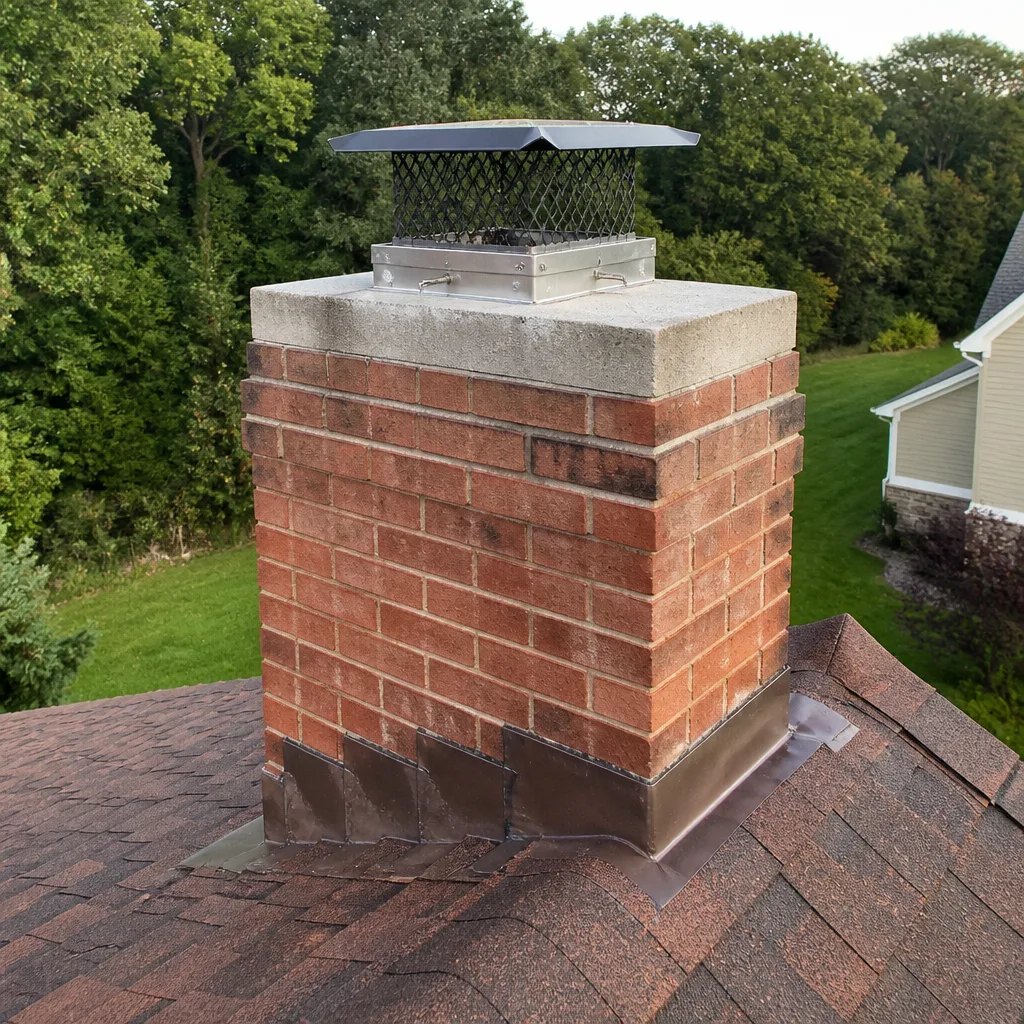 Sweep & inspection
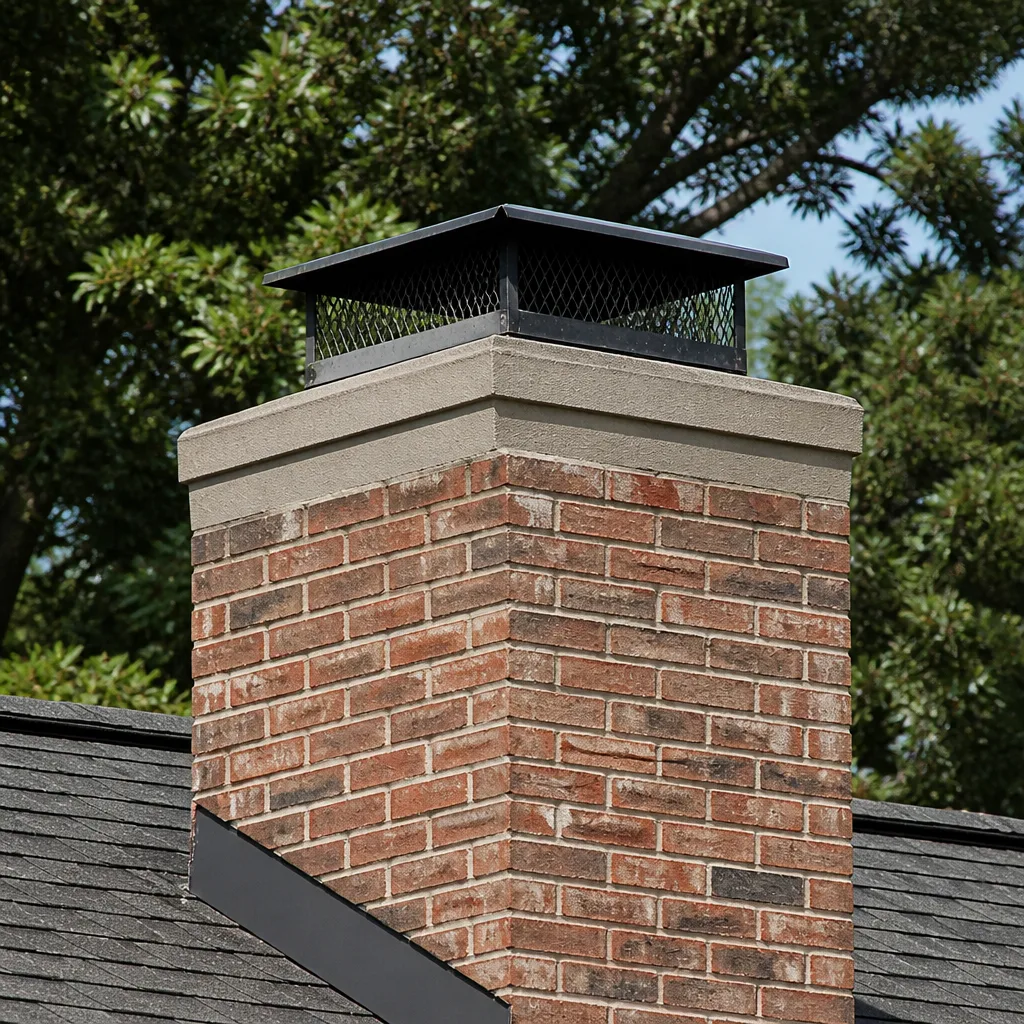 Caps & crowns
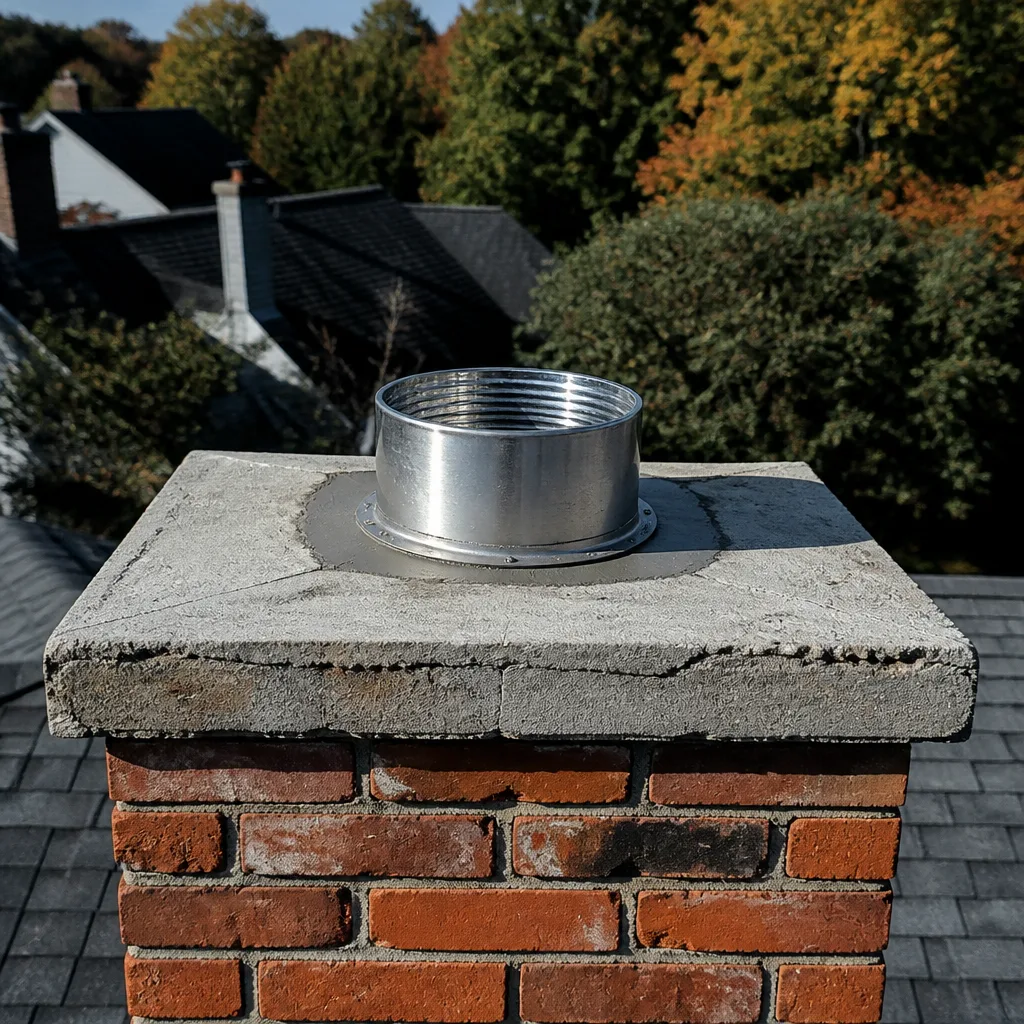 Flue relining
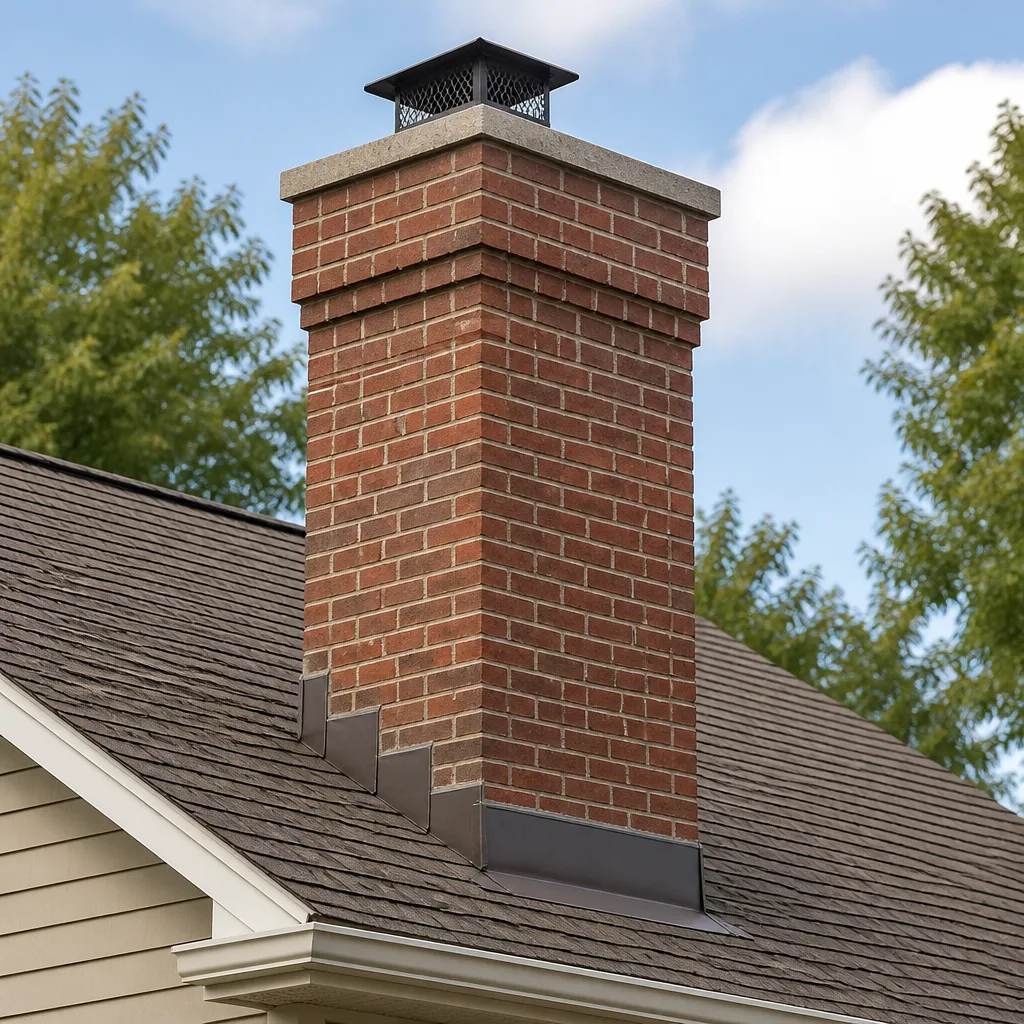 Masonry repair
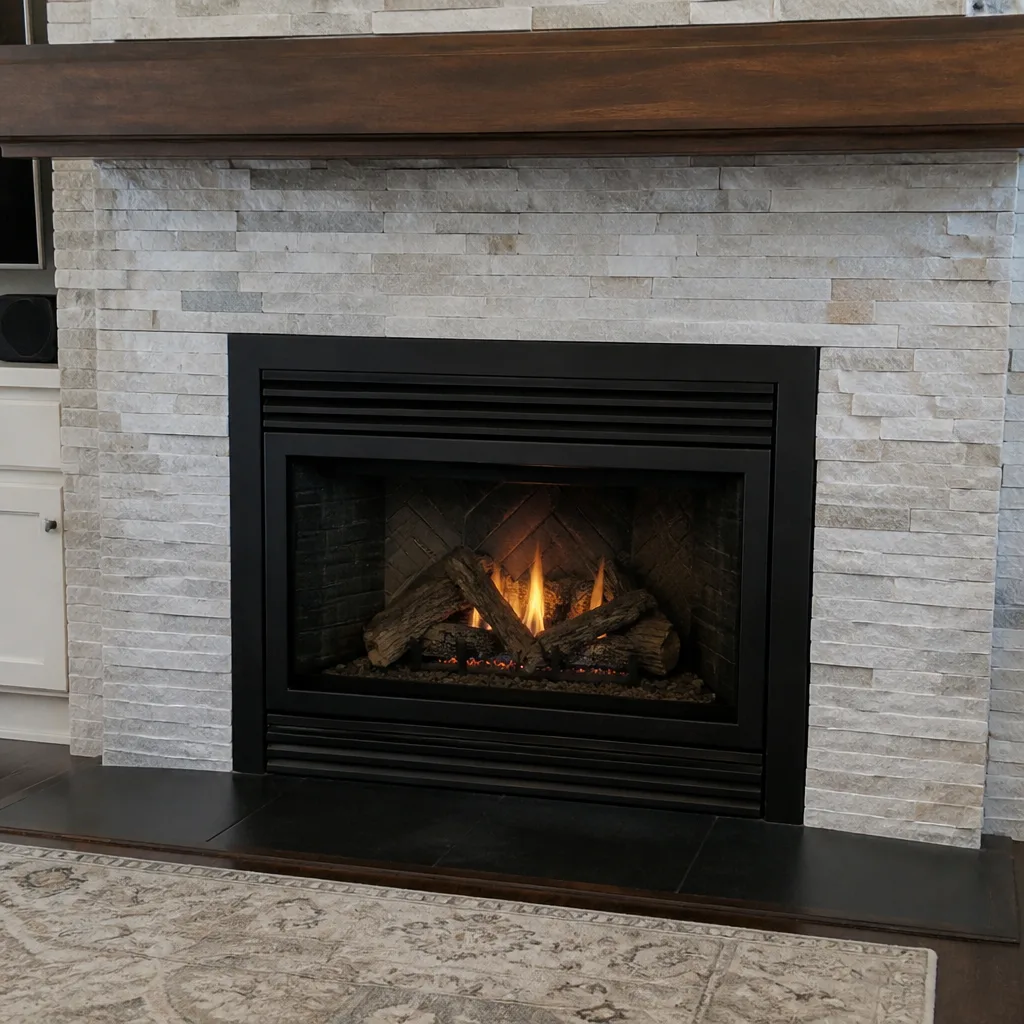 Gas fireplace service
Level 1 sweep and inspection to the NFPA 211 annual standard - flue, crown, cap, and flashing checked and photographed
Chimney sweep logs do not sweep chimneys. They loosen some creosote - which then falls where a brush and vacuum still have to collect it.
Chimney Sweep Maintenance Checklist for Winston-Salem Homeowners
A chimney that looks fine from the firebox can be one missed inspection away from a blocked flue or a cracked liner. Both are invisible from your living room, and both are entirely preventable with a routine that matches how you actually burn. Most checklists you’ll find online were written for a national audience and don’t account for the humid summers, the freeze-thaw swings in January, or the long leaf-and-pollen season that shapes how a Winston-Salem chimney ages. This guide is built around your calendar, not a generic template. You’ll learn what to do each month, what you can safely check yourself, what a real sweep covers (and what it doesn’t), and the red flags that mean you stop and call for service.
Quick Answer
A chimney maintenance checklist for Winston-Salem homeowners has four parts: a pre-season inspection and sweep in early fall before the first fire, monthly visual checks of the cap and firebox during burning season, a post-season look in March after the last burn, and a written service log kept for insurance and resale. The annual sweep is the anchor, but it only covers the flue. Liner condition, smoke chamber parging, and crown integrity need a full-system inspection alongside it. If you burn wood regularly, book the sweep in late summer or early fall. If you’re selling or your insurer has flagged the chimney, book the inspection first and let a technician tell you what’s actually needed.
Styles & brands we work with
- Sweep & inspection
- Caps & crowns
- Flue relining
- Masonry repair
- Gas fireplace service
Table of Contents
- Why Winston-Salem’s Climate Changes Your Chimney Calendar
- Month-by-Month Chimney Maintenance Calendar
- The Five Checks You Can Do Yourself (and What to Leave Alone)
- What an Annual Sweep Covers and What It Doesn’t
- The Pre-Season Inspection: What Actually Happens
- How to Log Your Chimney Service History (and Why It Matters in NC)
- Red Flags That Mean Stop and Call Now
- How to Choose a Chimney Sweep in Winston-Salem
Why Winston-Salem’s Climate Changes Your Chimney Calendar
A chimney in Winston-Salem lives through a different year than one in Minneapolis or Phoenix. That matters because the wear pattern on masonry and metal depends on how often the structure gets wet, how quickly it dries, and how many freeze-thaw cycles it sees between December and March. The Piedmont sits in a pocket where summers are humid and winters swing between mild days and hard freezes. Masonry is porous. It absorbs moisture during the wet months, then that moisture freezes, expands, and pushes the brick and mortar apart a little more each winter. Over years, that’s how crowns crack and mortar joints open up.
The tree canopy around neighborhoods like Buena Vista, Ardmore, and West End adds another factor. Heavy leaf fall in late October and November stacks debris on roofs and in gutters. If a chimney cap is missing or damaged, leaves, twigs, and the nests of squirrels and birds can drop straight into the flue. A flue that was clean in September can be partly blocked by the first cold snap. That’s why the sweep belongs before the first fire, not after the first problem.
The burning season here is long. Many Winston-Salem households start fires in late October and keep them going through March or into April. That’s a lot of creosote accumulation, and creosote is the fuel in a chimney fire. Glazed, hardened creosote is the most dangerous form and it doesn’t come off with a wire brush. It needs professional removal. If you burn frequently, an annual sweep is the minimum. Some heavy burners need one mid-season too.
The humid summers also affect fireplaces that sit unused. Damp air in an idle flue encourages rust on metal dampers and accelerates mortar deterioration in the smoke chamber. A chimney that’s sealed off with a proper cap and a working damper dries out better between seasons. This is where Jasper Chimney Sweep treats the chimney as a system rather than a dirty flue: the cap, the damper, the crown, the liner, and the firebox all get looked at together because they all affect how the whole thing performs.
Month-by-Month Chimney Maintenance Calendar
Here’s the calendar we’d hand a Winston-Salem homeowner who wants to stay ahead of problems instead of reacting to them. Some of it is yours to do. Some of it belongs to a technician. The point is that nothing goes unchecked for a whole year.
September: Before the First Fire
This is the most important month on the list. Book your annual chimney sweep and full inspection now, before the season fills up. Do a first pass yourself: walk the yard and look at the cap, check the damper opens and closes smoothly, and clear any leaves or debris from the roof and gutters around the chimney. If your cap is damaged or missing, get it replaced before the first fire, not after. A proper Gelco or Famco cap keeps rain, animals, and debris out of the flue year-round and is built to last rather than to be re-serviced in two seasons.
October Through November: Start of Burning Season
Confirm your sweep and inspection are complete before you light up. Test the draft with a small piece of burning paper (more on that below). Make sure your smoke and carbon monoxide detectors are working. Keep a note of the date of your sweep. If you burn softwood or green wood, expect faster creosote buildup and watch more carefully.
December Through February: Mid-Season Checks
Once you’re burning regularly, do a monthly look at the firebox for new cracks, check the damper after every few fires, and keep an eye on the cap from the ground. Watch the smoke. If it’s rolling back into the room or the fire struggles to draw, stop using the fireplace and call for service. This is also when winter storms do their work on the crown and flashing. After a stretch of hard freezes, a visual check from the ground for loose bricks or cracked mortar is worth the few minutes.
March: After the Last Fire
When the season ends, do a post-season inspection. Look for soot streaks above the firebox opening, cracks that opened over the winter, and any signs of water intrusion around the crown. This is the best time to schedule chimney repair so the work happens in warm, dry weather rather than during a cold snap in January when you want to be using the fireplace. Small masonry issues caught in March are cheaper to fix than the same issues caught after another winter of freeze-thaw.
April Through August: The Idle Season
This is when repairs, relining, and cap replacement make the most sense. The flue is dry, the weather is workable, and there’s no rush. If your inspection flagged a cracked liner, this is when a DuraFlex flexible liner system gets installed for a precise fit. If the smoke chamber has rough, pitted mortar, it’s when HeatShield ceramic sealant is applied. Get it done in the off-season and you start the fall with a chimney that’s ready to go.
The Five Checks You Can Do Yourself (and What to Leave Alone)
Not everything needs a technician. There’s a short list of things you can physically check safely from the ground or from inside the room. Doing these monthly keeps you informed and helps you describe problems clearly if you do need to call. The key is knowing where your checks stop.
- Cap condition. From the ground, look at the top of the chimney. The cap should be intact, securely attached, and free of rust or obvious holes. A missing, loose, or damaged cap lets rain, animals, and debris into the flue. If it’s compromised, note it and get it replaced before the season starts.
- Damper function. Open and close the damper a few times. It should move smoothly and open fully. A damper that sticks open lets heated air out of your house in winter and lets humid summer air into the flue. A damper that won’t open fully means restricted draft and smoke problems.
- Visible firebox cracks. Shine a light into the firebox and look at the brick and mortar joints. Hairline cracks in the firebrick are common; wide cracks, missing mortar, or crumbling material are not something to ignore. Note what you see and let a technician assess it.
- Animal intrusion signs. Look and listen for scratching, chirping, or nesting material near the firebox or in the flue. Droppings, feathers, or leaves in the firebox are a sign something got in. A proper cap prevents this, but if you find signs, don’t light a fire until the flue has been checked.
- Smoke draft behavior. With the damper open, light a small piece of paper and watch how the smoke moves. It should rise steadily up the flue. If it curls back into the room, drifts aimlessly, or the fire struggles, you have a draft problem. Stop and call for service.
What you should not do yourself: climb onto the roof, reach into the flue, remove a cap, or take apart any part of the firebox or smoke chamber. The most dangerous components in a chimney are the ones you can’t see, and a fall from a roof or a hand in the wrong place is a far bigger risk than a dirty flue. Leave those to a trained technician.
One clarification on draft testing. If you light a piece of paper and the smoke doesn’t rise cleanly, don’t keep trying. Close the damper, open a window, and call for a service visit. A persistent draft problem can indicate a blocked flue, a liner failure, or a pressure issue in the house. None of those are things to diagnose by trial and error.
What an Annual Sweep Covers and What It Doesn’t
Here’s a distinction that trips up a lot of homeowners: an annual sweep and an annual inspection are not the same service. A sweep removes creosote and soot from the flue. An inspection evaluates the condition of the whole chimney system. Many services advertise an “annual sweep” and quietly leave out the inspection, which means the parts that fail silently are the parts nobody looked at.
A base sweep typically covers:
- Removal of creosote and soot from the flue
- Cleaning of the firebox floor and damper area
- A basic visual look at what’s accessible
A full-system inspection added to the sweep covers the rest:
- Liner condition. A cracked or deteriorated clay liner is the single most common cause of hidden danger in a chimney. It’s not visible without a camera or a proper look down the flue. If it’s compromised, heat and gases can reach the framing around the chimney. A DuraFlex flexible liner system is often the fix when the existing liner can’t be saved.
- Smoke chamber parging. The smoke chamber sits just above the damper and funnels smoke into the flue. Its walls are often rough and pitted, which catches creosote and slows draft. HeatShield ceramic sealant smooths and seals the smoke chamber, restoring proper flow. Most generalist sweep services don’t carry HeatShield or know how to apply it correctly.
- Crown integrity. The crown is the concrete cap at the very top of the masonry chimney that sheds water away from the structure. A cracked crown lets water into the masonry, which then freezes, expands, and cracks more. Crown repair belongs in the inspection, not the sweep.
- Flashing and cap attachment. Where the chimney meets the roof, flashing directs water away. Loose or failed flashing is a roof leak waiting to happen. Cap and damper hardware get checked at the same time.
At Jasper Chimney Sweep, every sweep pairs with a full-system inspection, which means you get a written understanding of your chimney’s condition, not just a cleaning receipt. That’s the difference between knowing your flue is clean and knowing your whole chimney is safe. When the inspection surfaces something, you already have the Winston-Salem team on site to handle it, and we carry the professional-grade materials to do it right.
The Pre-Season Inspection: What Actually Happens
If you’ve never had a full inspection, you may be wondering what the technician actually does. It’s more than a look down the flue. A proper inspection in early fall walks the whole system, from the firebox to the crown. Here’s the general sequence.
- Firebox and damper review. The technician notes the condition of the firebrick, mortar joints, and damper. Any visible cracks get documented.
- Smoke chamber look. The area above the damper gets checked for rough parging, built-up creosote, and deterioration.
- Flue camera inspection. A camera goes down the flue to check the liner for cracks, gaps, and creosote buildup. This is the part you can’t see from the living room and the part that matters most.
- Crown, cap, and flashing review. The top of the chimney gets checked for cracks, cap damage, and flashing issues.
- Sweep. Once the inspection is done, the flue is swept clean.
- Written report. Findings are documented, including photos where they help, so you can see what the technician saw and decide what work, if any, is needed.
The order matters. Inspecting before sweeping means the technician sees the flue’s actual condition, not a flue that’s already been brushed clean. It also means the sweep can be targeted at what the camera found rather than a one-size-fits-all pass.
The best time to book this in Winston-Salem is late summer or early September. The fall rush squeezes scheduling, and a chimney that gets inspected in early October is a chimney you can safely light up on the first cool night. Book too late and you’re either waiting or lighting fires in a chimney nobody has looked at since last season.
How to Log Your Chimney Service History (and Why It Matters in NC)
A service log seems like a small thing until you need it. In North Carolina, both home sales and insurance claims run smoother when you can show a documented maintenance history. A chimney that’s been inspected and swept on a regular schedule tells a buyer or an adjuster something a freshly cleaned flue can’t: that the work has actually been done over time.
What to log for each service visit:
- Date of service. The day the sweep or inspection happened.
- Who did the work. The company name and any report or invoice number.
- What was found. The inspection findings, in plain language. Note the condition of the liner, smoke chamber, crown, and cap.
- What was done. Sweep, parging, liner installation, cap replacement. Be specific about the materials. If a DuraFlex liner was installed or HeatShield was applied, note it.
- What’s recommended next. The technician’s notes on what to watch and when the next service is due.
- Photos if available. Camera images of the flue and any areas of concern. These are the most useful record you can keep.
Keep the log with your other home maintenance records: the HVAC service file, the roof file, the water heater. When you list the house, a well-kept chimney log is easy to hand to a buyer’s inspector. When you file an insurance claim after a chimney fire or water intrusion, a maintenance log supports your position that the chimney was properly cared for. And when you call for service next fall, the technician can see exactly what’s been done instead of starting from scratch.
One more reason to keep it. If a technician recommends liner work, having the last two or three inspection reports in hand lets you compare findings over time. A liner that was “fine” two years ago and now “needs replacing” is a conversation worth having with evidence in front of you. A service log protects you from work you don’t need as much as it documents work you do.
Red Flags That Mean Stop and Call Now
Most chimney issues are slow and preventable. But some signals mean stop using the fireplace and call for service before the next fire. Here’s the list we’d want every Winston-Salem homeowner to know by heart.
- Smoke rolling back into the room. A fireplace that won’t draw is a fireplace with a blockage, a liner problem, or a draft issue. Stop using it and call.
- A strong, tar-like smell. This often signals heavy creosote buildup or a draft problem pushing fumes back into the house. It’s a reason to stop burning and get the flue checked.
- Visible cracks or loose material in the smoke chamber or firebox. Wide cracks, crumbling mortar, or missing firebrick mean the fire is no longer contained the way it should be.
- Water stains on the ceiling or chimney breast. Water is getting in somewhere, usually through the crown, flashing, or a failed cap. That moisture damages masonry and can reach framing.
- Rust on the damper or firebox metal. Metal components rust when moisture is present inside the flue. Rust means water intrusion.
- Animals or nesting material in the flue. A blocked flue is a carbon monoxide risk. Don’t light a fire until the flue has been cleared and checked.
- Chimney fire signs. Puffy, honeycombed creosote, discolored metal, or a cracked flue liner can indicate a past chimney fire. Even a small one damages the liner. Stop and get it inspected.
Any of these is a “call now” not a “wait until fall.” The cost of an inspection is small next to the cost of a liner replacement that could have been a repair, or a chimney fire that could have been a sweep. Our technicians have up to 9 years of experience and can tell you what’s actually going on and what needs to be done, without upselling you on work the camera can’t support.
How to Choose a Chimney Sweep in Winston-Salem
Choosing a sweep is mostly about asking the right questions. A specialist and a generalist will both say they clean chimneys. The difference is what they carry, what they inspect, and whether the same company handles the repair when something turns up.
Questions worth asking before you book:
- Does the sweep include an inspection? If not, ask what a full-system inspection costs separately. A clean flue with a cracked liner isn’t a safe flue.
- Do you use a camera? A camera inspection shows you the liner and smoke chamber condition. If the answer is no, that’s your answer.
- Do you do the repair work, or subcontract it? A company that sweeps, inspects, and repairs under one standard of work means nothing falls through the cracks between contractors.
- What materials do you install? Professional-grade brands matter. DuraFlex liners, HeatShield ceramic sealant, Gelco and Famco caps and dampers, Olympia Chimney components, and Copperfield are the names certified chimney technicians rely on. Big-box substitutes don’t hold up the same way.
- Will I get a written report? A written understanding of your chimney’s condition is the whole point of the inspection. A cleaning receipt isn’t the same thing.
- Is the price set per job by a written estimate? The estimate should be free and the final price should be the number on the written estimate, not a moving target.
Jasper Chimney Sweep handles sweeping, chimney repair, and inspection under one roof, using the same professional-grade materials certified chimney technicians specify. We install DuraFlex flexible liner systems, apply HeatShield ceramic sealant for liner and smoke chamber repair, and fit Gelco and Famco caps and dampers built for longevity. When the inspection finds a problem, the same team that found it handles the fix.
Common Mistakes to Avoid
- Skipping the inspection and just booking a sweep. A sweep cleans the flue; it doesn’t tell you whether the liner is cracked or the crown is failing. In a climate with winter freeze-thaw, those hidden issues are exactly what you need to know about.
- Burning unseasoned wood to save time. Green or wet wood produces more creosote and more smoke. In Winston-Salem’s humid summers, firewood stored in the open can stay damp well into fall. Season it under cover and check it before you burn.
- Putting off the sweep until you smell a problem. By the time a chimney smells, creosote has built up or draft is compromised. The sweep belongs before the first fire, not after the first complaint.
- Hiring a generalist handyman for chimney work. Chimney repair is specific work: liner systems, smoke chamber parging, crown repair. A handyman who’s never applied HeatShield or fitted a DuraFlex liner is learning on your chimney.
- Ignoring the cap because it’s “just cosmetic.” A missing or damaged cap lets rain, animals, and debris into the flue year-round. It’s one of the cheapest fixes on the list and one of the most consequential to skip.
- Not keeping a written record. Without a service log, you can’t show a buyer or an insurer what’s been done. Worse, you can’t compare a new “needs replacing” recommendation against last year’s findings.
- Waiting until October to book. The fall rush in Winston-Salem fills schedules fast. A September sweep means you’re ready before the first cold night, not waiting in a queue with a cold house.
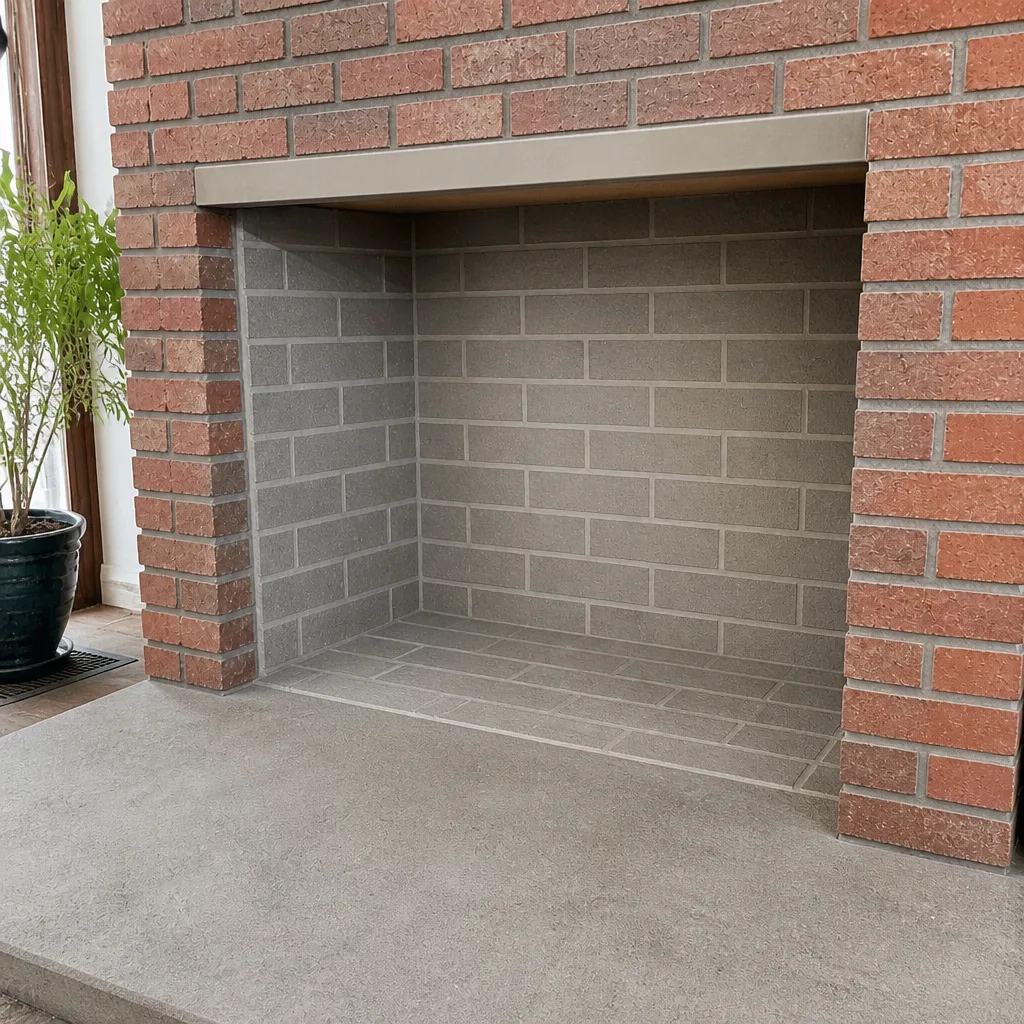
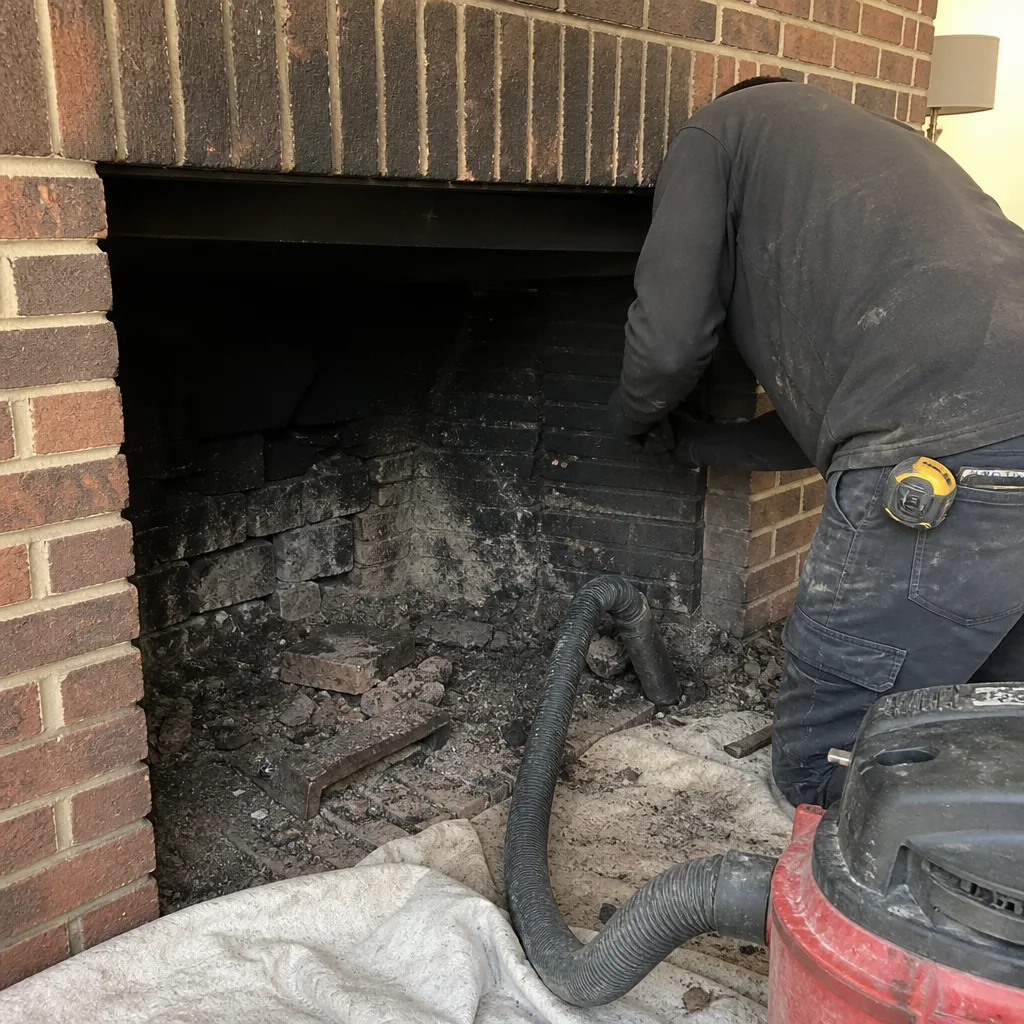
See the difference
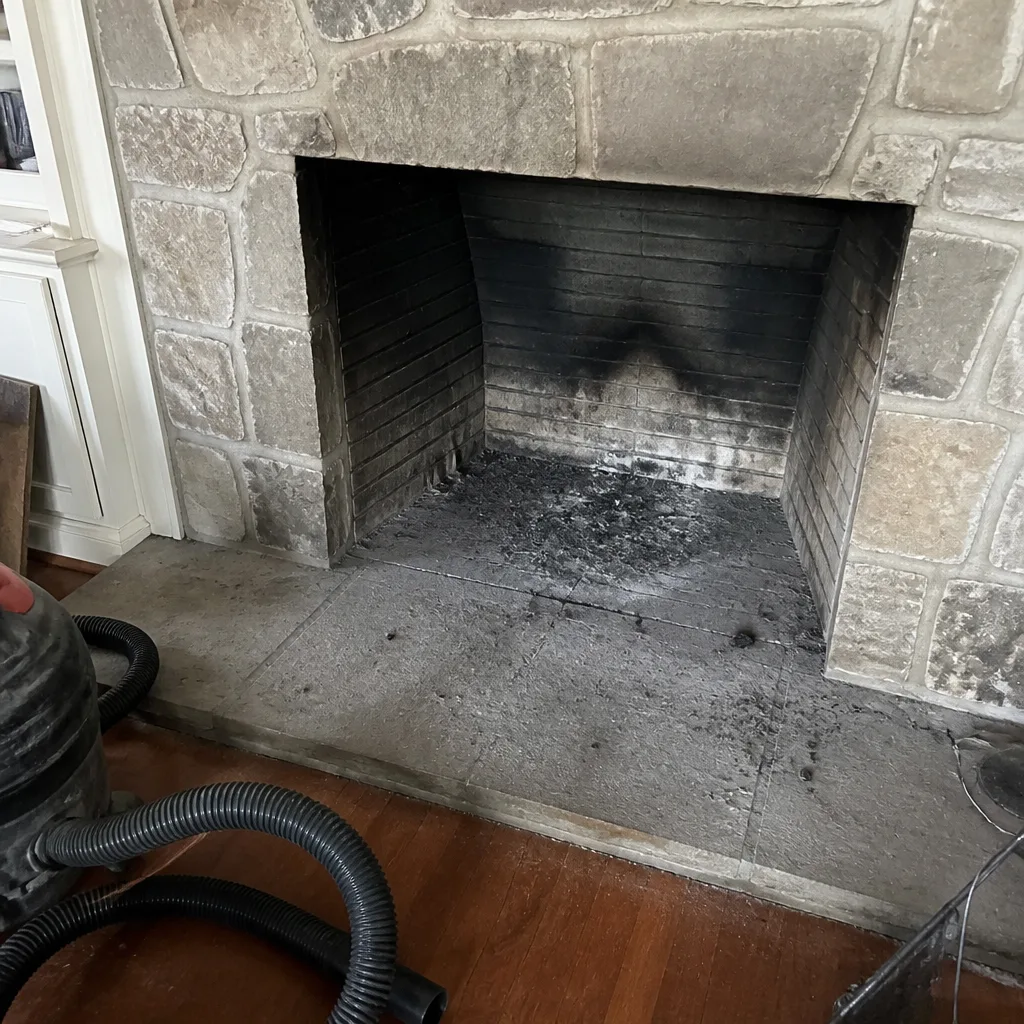 Before
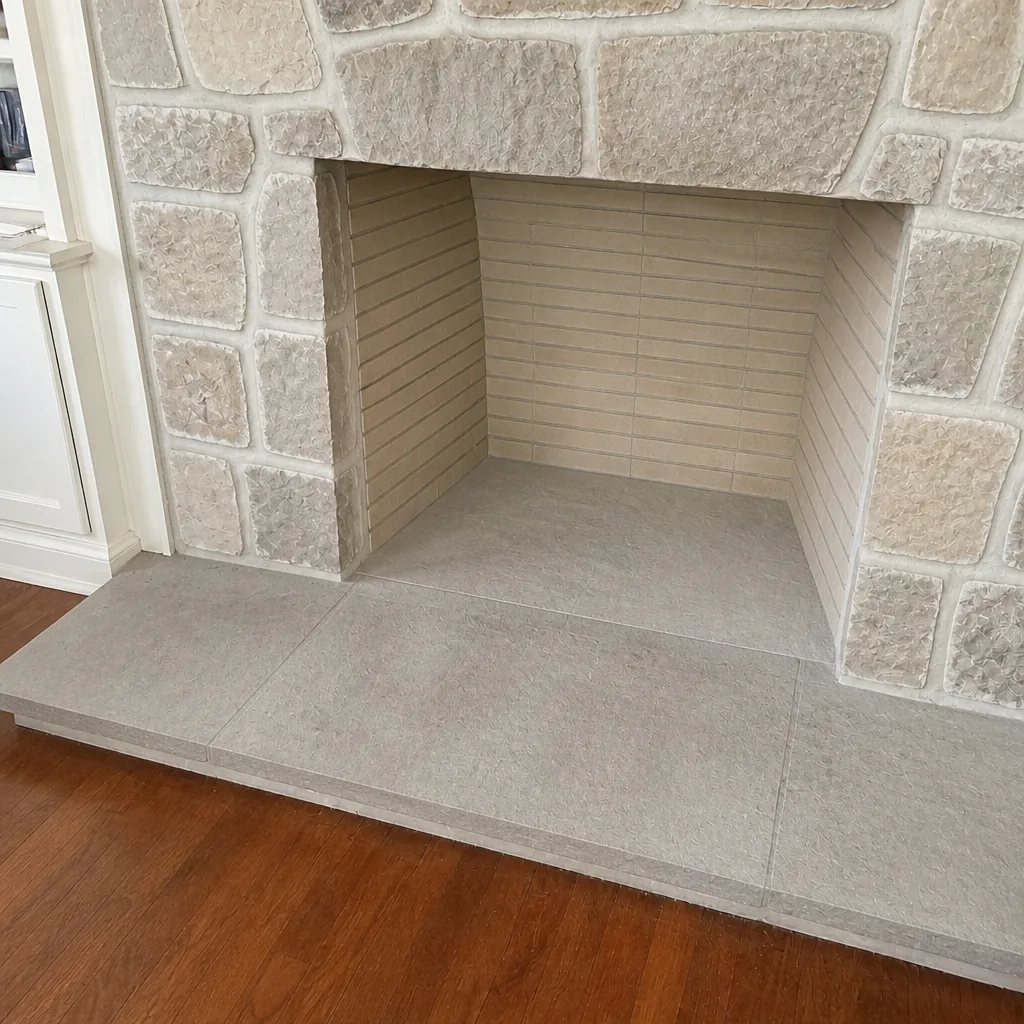 After
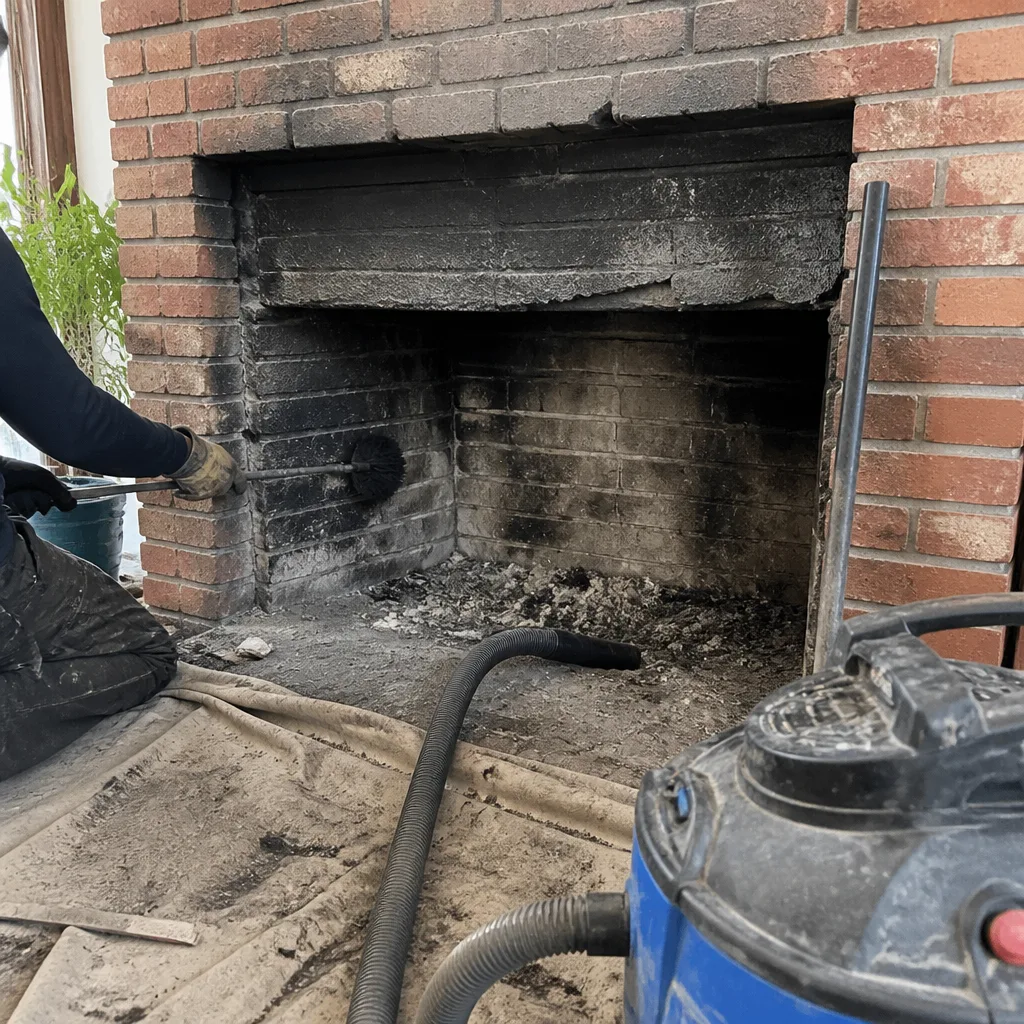 Before
 After
 Before
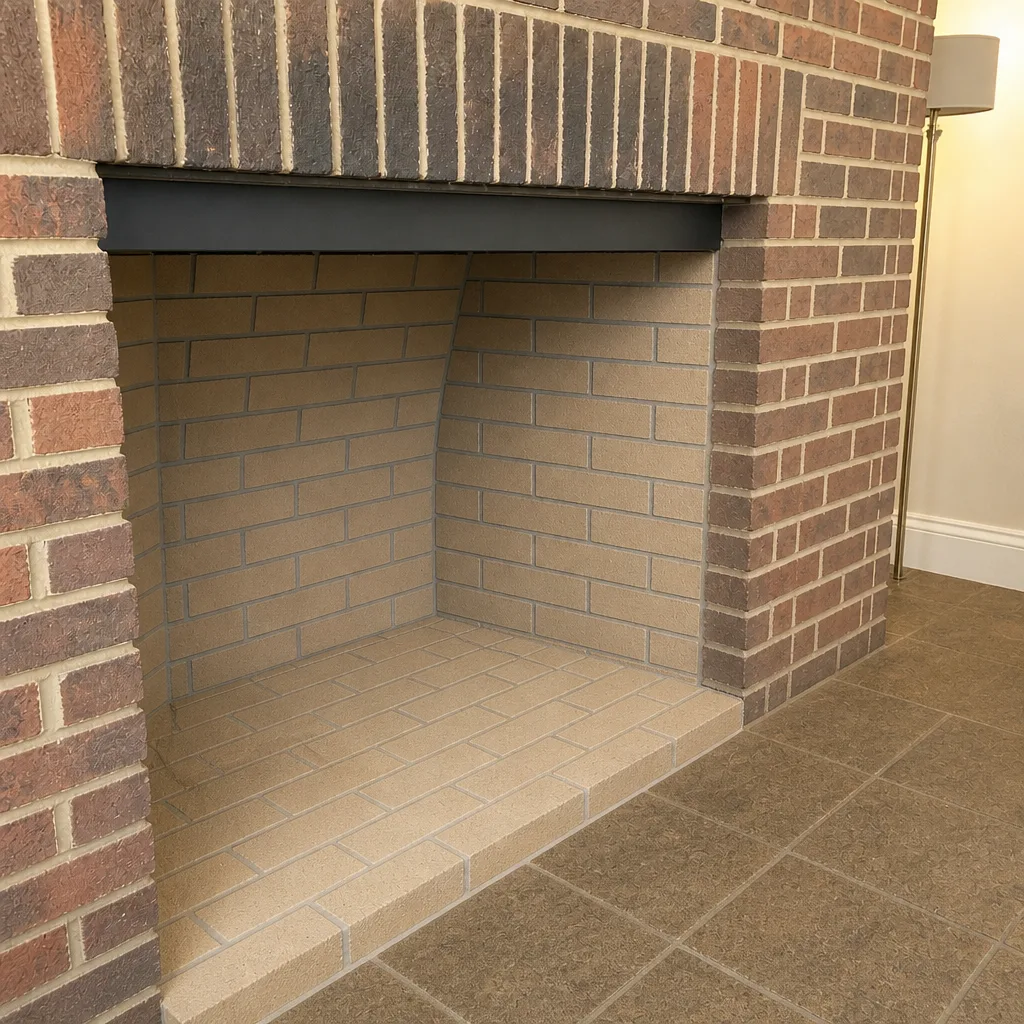 After
When to Call a Professional
Call a professional when the checklist turns up anything you can’t see through clearly: a draft that won’t rise, smoke that rolls back into the room, cracks in the smoke chamber, water stains near the chimney, rust on metal components, or signs that an animal got into the flue. Call before you light the first fire of the season if it’s been more than a year since your last sweep, if you’ve just bought the house and don’t know the chimney’s history, or if your insurer has flagged the chimney and wants documentation. Call before a home sale if the buyer’s inspector has questions. And call immediately if you suspect a past chimney fire, even a small one, because the liner may be damaged in ways you can’t see.
Jasper Chimney Sweep offers free estimates in Winston-Salem. Call (866) 343-2983. We answer 24/7. Fast dispatch from 7am to 7pm, Sunday through Friday. A call outside dispatch hours is booked into the next opening. A technician can look at what you’ve found, walk the full system, and tell you plainly what needs doing now and what can safely wait.
Frequently Asked Questions
Once a year for most households, and more often if you burn heavily or burn softwood. The annual sweep should happen before the first fire of the season, ideally in late summer or early September. If you burn fires most weeks from October through March, an annual sweep is the minimum, and some heavy burners benefit from a mid-season check.
Only if the inspection shows the existing liner is cracked, deteriorated, or failing. A camera inspection tells you for sure. If the liner is compromised, heat and gases can reach the framing, and a DuraFlex flexible liner system is often the fix. If the liner is sound, you don’t need a new one, and any recommendation to replace it should come with camera evidence you can see for yourself.
Creosote builds up in the flue, and glazed creosote is the fuel in a chimney fire. A blocked or restricted flue can also push carbon monoxide back into the house. Skipping one season is unlikely to cause a problem immediately, but the risk compounds, and the cost of catching up tends to be higher than the cost of the sweep you skipped.
You can do the five checks in this guide safely: cap condition, damper function, visible firebox cracks, animal intrusion signs, and smoke draft behavior. You shouldn’t climb the roof, reach into the flue, or take apart the firebox or smoke chamber. Those carry real injury risk and the parts that matter most are the ones you can’t see from the living room.
The price is set per job by the written estimate, and the estimate is free, so the right first step is to book the visit and get an exact number. Prices vary with the flue configuration, the amount of buildup, and whether an inspection is included. Call (866) 343-2983 for an exact quote; estimates are free.
Book a full-system inspection, not just a sweep. The insurer wants documentation that the chimney is sound, and the inspection gives you a written report with camera evidence you can hand over. If the inspection finds work to do, the same company can handle the repair, and the written report becomes part of your service log for the claim.
Spring and summer, when the flue is dry and the weather allows masonry work to be done properly. Small issues caught in March are cheaper to fix than the same issues caught after another winter of freeze-thaw. If a problem turns up during the burning season, get it addressed when the season ends rather than putting it off until fall.
The Bottom Line
A chimney is a system, not a flue that gets brushed once a year. The fall inspection and sweep get you ready for the first fire. The monthly self-checks during burning season catch problems early. The March post-season look sets up spring and summer repairs before the next winter. The written service log protects you at resale and at claim time. And the red flags in this guide are the signals to stop and call rather than wait. Every part of this checklist is built for how Winston-Salem’s climate actually treats a chimney: humid summers, freeze-thaw winters, and a long burning season. Work through it on schedule and you’ll know your chimney’s condition before you light up, not after.
Jasper Chimney Sweep treats your chimney as a system, using the same professional-grade materials certified chimney technicians specify. Inspect, clean, repair: one team, one standard of work. If it’s time for your annual sweep or you’d like a free estimate, call (866) 343-2983. We answer 24/7. Fast dispatch from 7am to 7pm, Sunday through Friday.
Written by the team at Jasper Chimney Sweep.