
Last updated November 16, 2026
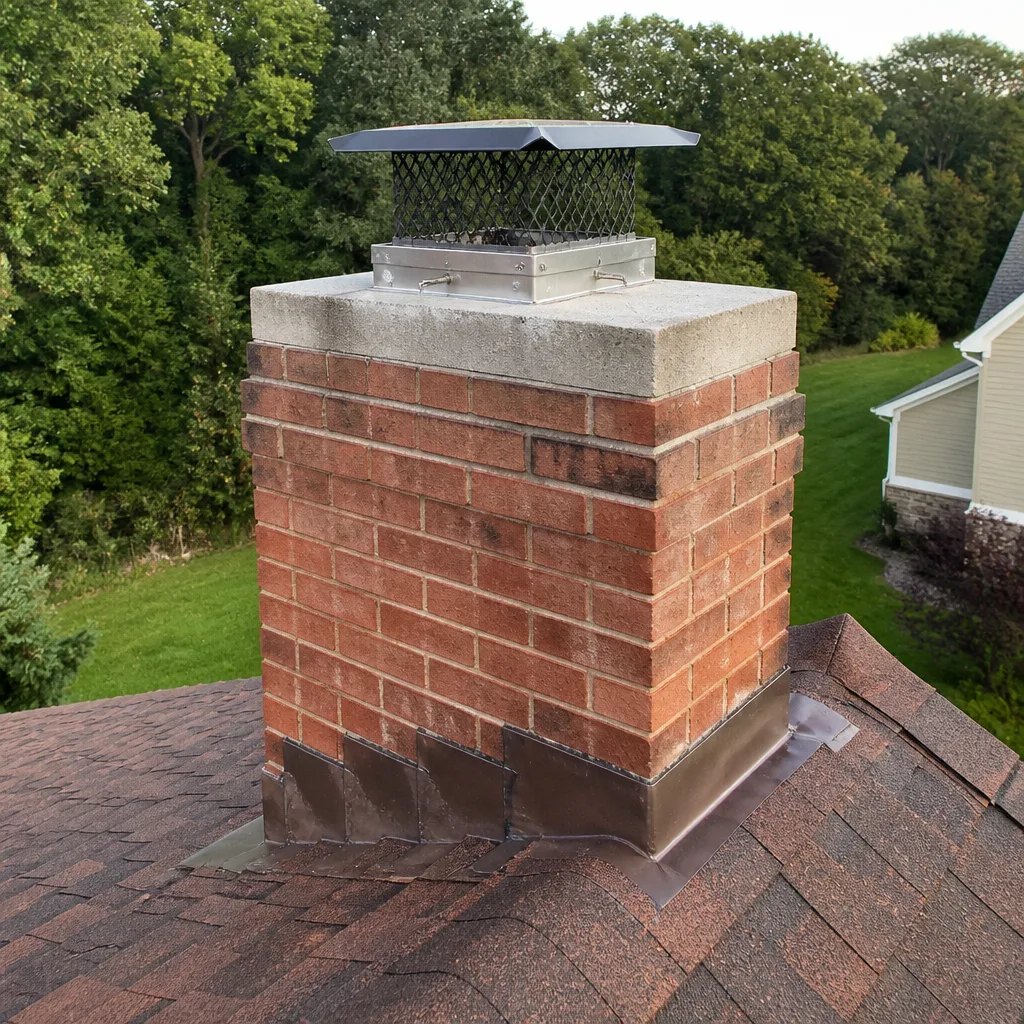 Sweep & inspection
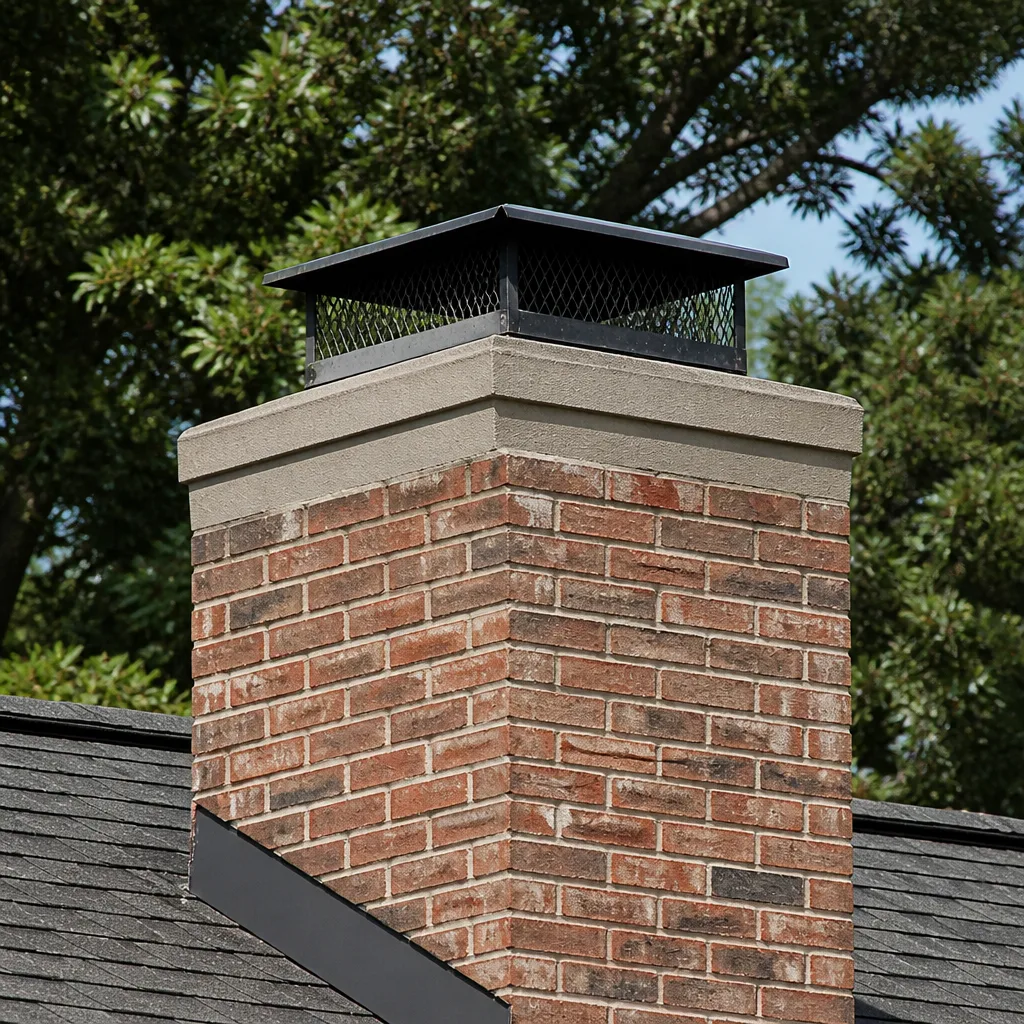 Caps & crowns
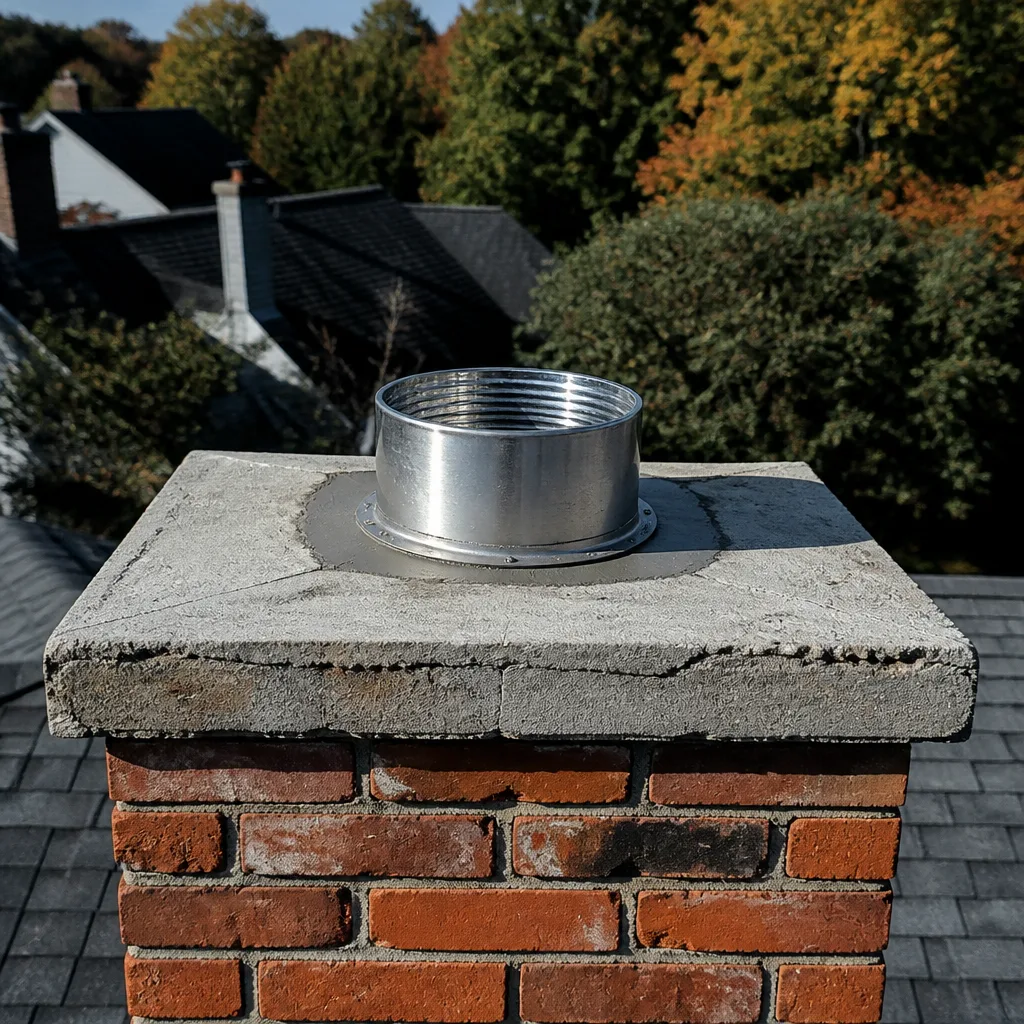 Flue relining
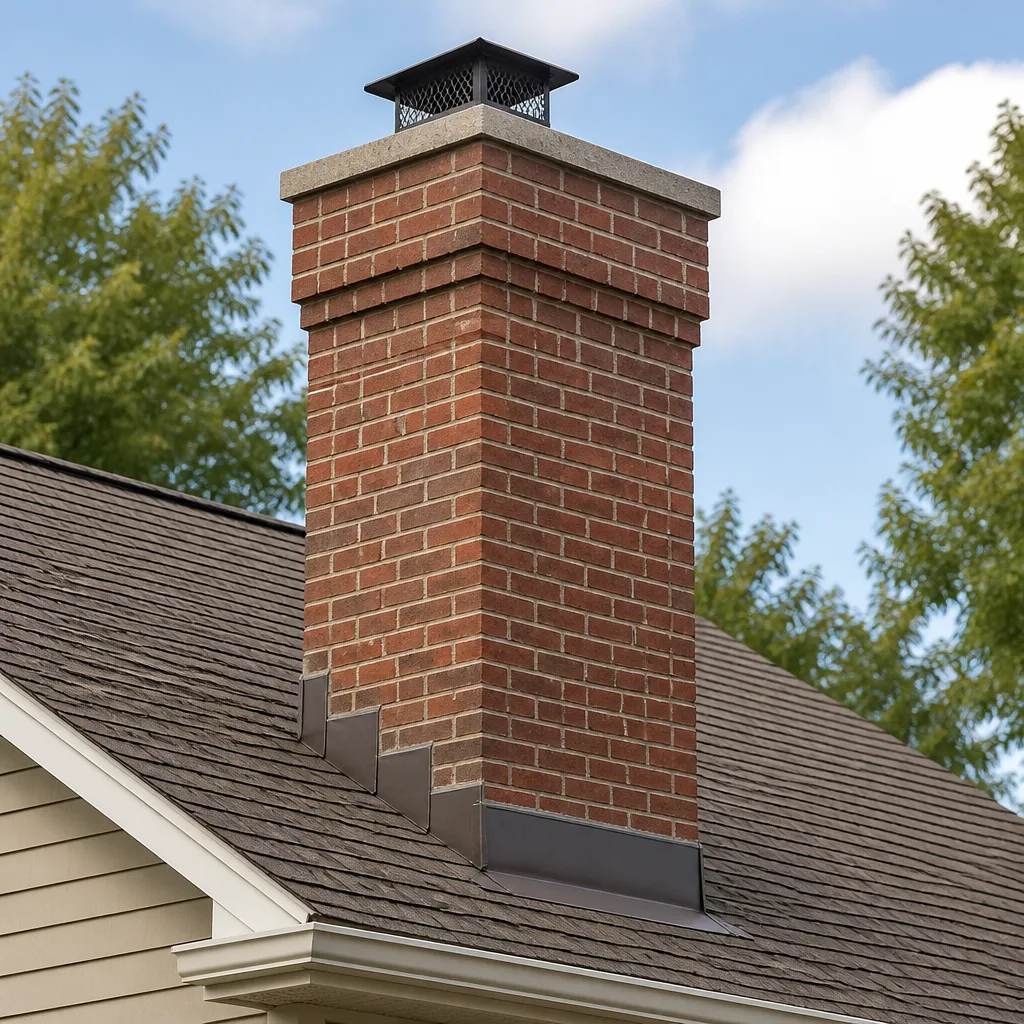 Masonry repair
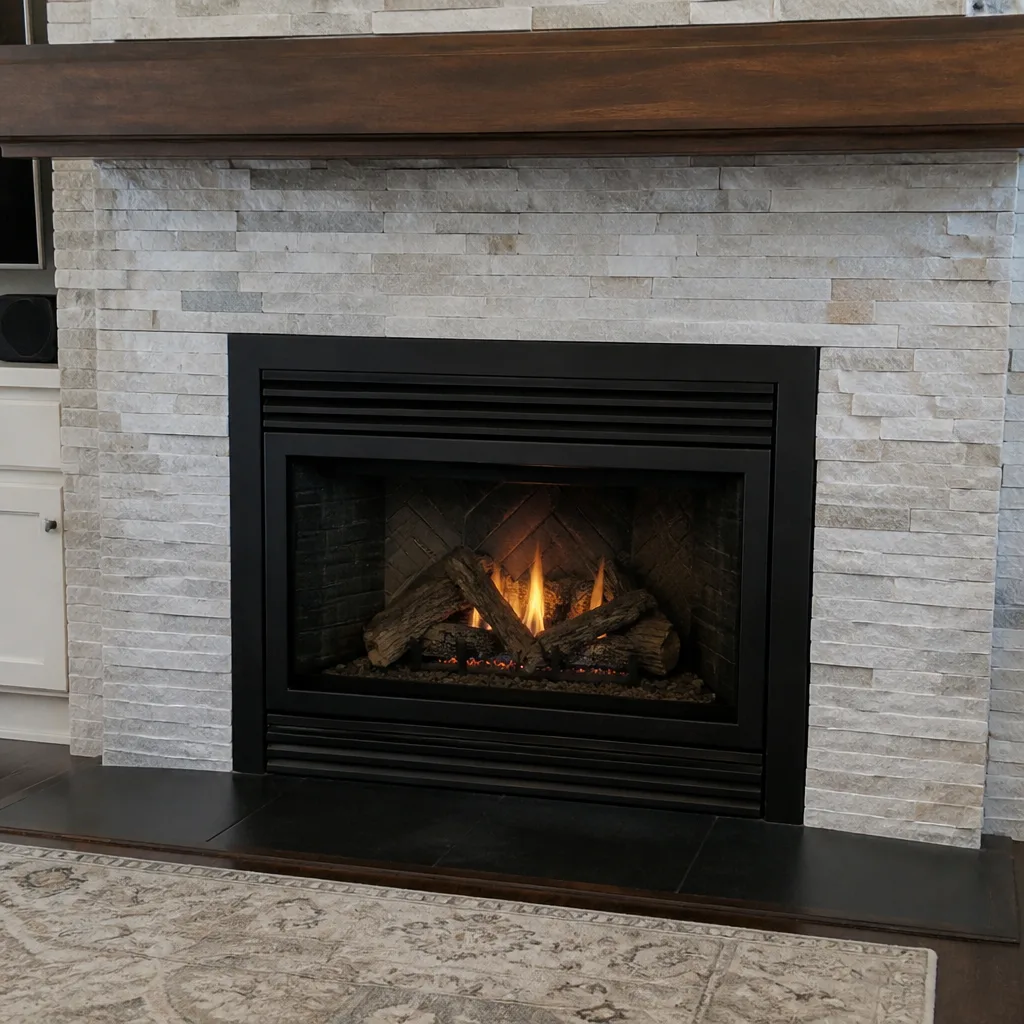 Gas fireplace service
Level 1 sweep and inspection to the NFPA 211 annual standard - flue, crown, cap, and flashing checked and photographed
Chimney sweep logs do not sweep chimneys. They loosen some creosote - which then falls where a brush and vacuum still have to collect it.
Chimney Sweep Maintenance Schedule: What to Do and When
The chimney industry’s standard advice is one annual inspection, and that standard was written for average use. If you burned more than two cords of wood last winter, or you run the fireplace most evenings from November through February, you’re not an average user, and a single sweep per year may not cover what your flue is actually accumulating. Most homeowners in Winston-Salem think of chimney care as one appointment on the calendar. The ones who avoid expensive repairs treat it as a schedule that follows the whole system: flue, liner, crown, cap, flashing, and firebox, each on its own inspection cycle. This guide lays out that calendar month by month, explains how burn frequency changes the timeline, and shows you how to log it all so next year’s inspection has something to compare against.
Quick Answer
A proper chimney maintenance schedule has three fixed points: a professional inspection and sweep booked in late summer or early fall before the first fire, a visual check of the cap, crown, and flashing after any significant storm, and a self-check of the firebox and damper each spring once the burning season ends. If you burn more than two cords a season, add a mid-season sweep. Gas fireplace chimneys still need an annual inspection even though they produce no creosote. Every finding should be written into a simple home maintenance log so year-over-year changes are visible.
Styles & brands we work with
- Sweep & inspection
- Caps & crowns
- Flue relining
- Masonry repair
- Gas fireplace service
Table of Contents
- Why the Annual Sweep Is a Floor, Not a Ceiling
- The Month-by-Month Chimney Maintenance Calendar
- How Burn Frequency Changes Your Creosote Timeline
- Post-Storm Checks: Crown, Cap, and Flashing
- Gas Fireplace Chimneys: Why They Still Need Inspections
- How to Log Chimney Maintenance Year to Year
- Matching Each Chimney Component to Its Inspection Cycle
- Common Mistakes to Avoid
Why the Annual Sweep Is a Floor, Not a Ceiling
The one-sweep-a-year rule assumes a household that burns occasionally and has a chimney in reasonable condition. It’s a starting point, and a useful one, but it was never meant to describe every situation. A chimney in Winston-Salem faces a specific set of conditions that push some systems past what a single annual visit covers.
Our region sits in a climate with cold winters and warm, humid summers. That swing matters. A flue that stays damp during the off-season, then heats up fast in the fall, puts stress on masonry joints and on the seal between the liner and the chimney walls. Our clay-heavy soil also shifts with moisture, which is one reason chimney crowns and flashing joints here tend to open up over time rather than in one dramatic event.
Then there’s burn behavior. A household that runs the fireplace two or three evenings a week from November through February is a light user. A household that heats with wood, burns more than two cords, or runs the firebox most nights all winter is a heavier user, and heavier use builds creosote faster and more unevenly. One sweep in late summer might have cleared the flue in September and left a fresh deposit by January.
So the practical answer is this: treat the annual sweep as the minimum, then build the rest of the calendar around how you actually burn and how the chimney actually looks. That’s the difference between a maintenance checklist and a maintenance schedule. If you want a baseline read on your own system before you build that schedule, a chimney sweep with a full-system inspection is where most homeowners start.
The Month-by-Month Chimney Maintenance Calendar
A chimney calendar works best when it follows the seasons in reverse: you inspect and prepare in the shoulder months, and you act in the burning months. Here’s how we think about the year for a typical Winston-Salem home.
Spring (after the last fire)
This is the best window for a self-check, because the firebox is cool and the creosote is at its seasonal peak. You’re not cleaning anything yourself; you’re looking and noting.
- Open the damper and confirm it moves fully and seats correctly when closed.
- Shine a flashlight up the flue. Note any heavy, glassy, or flaky deposits, and write down what you see.
- Look at the firebox brick and mortar for cracks, loose joints, or crumbling material.
- Check the firebox floor and the damper frame for rust or moisture stains.
- From outside, glance up at the cap and crown. Note anything missing, tilted, or rusted.
- Write the date and your observations in your maintenance log, even if everything looks fine.
Spring is also when the off-season humidity sets in, so if you see rust in the firebox or dampness around the damper, that’s a flashing or cap issue worth flagging rather than waiting until fall.
Late summer (the pre-season booking)
This is the month to call for a professional inspection and sweep. Booking before the first cold snap means you’re not competing for appointment slots when everyone else remembers their fireplace at the same time. The inspection should produce a written assessment of the system, not a cleaning receipt. On that visit, the technician checks the flue, liner, crown, cap, flashing, and firebox, and tells you what, if anything, needs attention. When something does need repair, matching the fix to the problem matters: a cracked crown, a failing cap, a damaged liner joint, and a rusted damper each call for different work.
Fall (first fire and early season)
Before the first fire, confirm the damper opens fully, listen for anything unusual, and check that the cap is still intact. During the first few burns, watch the draft. Smoke that spills into the room instead of rising is a sign to stop and have the system looked at.
Winter (mid-season monitoring)
If you’re a heavy burner, this is when the mid-season sweep may be warranted. Watch for changes in draft, a stronger smell when the fire is lit, or visible flaking at the top of the firebox. Any of those is a reason to book a check rather than push through to spring.
Post-storm (any time of year)
After a significant storm, do a quick exterior visual check of the cap, crown, and flashing. You’re not climbing anything; you’re looking from the ground, ideally with binoculars. Note anything that’s shifted, cracked, or missing and log it.
How Burn Frequency Changes Your Creosote Timeline
Creosote builds at a rate set by how much you burn, how hot the fire runs, and how dry the wood is. The three combine into a rough timeline that’s more useful than the blanket “once a year” rule.
- Occasional use (a few fires a season, decorative burning): a single annual sweep before the season is usually enough. Creosote accumulates slowly and the flue stays relatively dry.
- Regular use (two to three evenings a week through winter): the annual sweep still applies, but the inspection should look specifically at the upper flue, where deposits concentrate. If the fire is run cool and smoky, expect faster buildup than a hot fire would produce.
- Heavy use (more than two cords a season, wood as a primary heat source): this is where the one-a-year rule stops covering the reality. A mid-season sweep, usually around January, catches what the fall sweep couldn’t. The exact timing depends on your wood and burn habits, which is why a technician should assess the flue early in the season and tell you whether a mid-season visit makes sense.
Wood moisture makes a real difference. Seasoned wood burns hot and clean; green or damp wood burns cool and smolders, and smoldering produces heavier, stickier creosote. In Winston-Salem, the humidity in the off-season can leave wood stored outdoors less dry than it feels, so check moisture before you assume a cord is ready to burn.
Some signs are worth acting on regardless of schedule:
- A stronger, sharper smell when the fire is burning than in previous years.
- Visible flaking or glazing on the flue walls when you look up with a flashlight.
- Draft that’s weaker than it used to be.
- Smoke that lingers at the top of the firebox instead of rising cleanly.
Any one of these is a reason to book a check. If the flue looks damaged or the creosote is heavy, a proper chimney repair assessment comes before the next sweep, not after.
Post-Storm Checks: Crown, Cap, and Flashing
Storms in our region typically bring wind and heavy rain rather than anything more severe, and that’s exactly what stresses the top of a chimney. The crown, cap, and flashing take the brunt, and a small failure there lets water into the masonry, which is a far more expensive problem than a dirty flue.
After any significant storm, do a ground-level check. You’re looking for changes, not diagnosing them:
- Crown: the concrete or masonry cap at the very top. Look for cracks, pieces missing at the edge, or separation where it meets the flue.
- Cap: the metal or masonry cover that keeps rain and animals out. Look for dents, a tilted position, missing screens, or rust.
- Flashing: the metal where the chimney meets the roof. Look for lifted edges, gaps, or rust streaks that weren’t there before.
- Chimney itself: look for new cracks in the masonry, tilted sections, or spalling (flaking material).
Anything you spot is a reason to book an inspection, not a reason to climb up and fix it yourself. Rain that gets past a cracked crown or lifted flashing works into the masonry, where it freezes and expands through the winter and opens joints further. Our technicians have up to 9 years of experience, and this is exactly the kind of small problem that’s cheap to fix early and expensive to fix late.
When the cap or crown does need replacement, the material matters. We install Gelco and Famco caps and dampers, and Olympia Chimney components, because these are built for longevity rather than for a quick return visit next season. Copperfield flashing and cap options are also part of what we carry. A cap that fails in a couple of years costs more than one that lasts.
Gas Fireplace Chimneys: Why They Still Need Inspections
Here’s the misconception that catches a lot of homeowners: a gas fireplace produces no creosote, so the chimney doesn’t need much. That’s only half true. A gas fireplace doesn’t deposit creosote, but its chimney still has vents, a flue, and a termination point, and those are all exposed to condensation, debris, and wear.
What does a technician actually look for on a gas system? Several specific things:
- Blockages: birds, squirrels, and wasps build nests in gas flues as readily as wood ones. A blocked vent is a carbon monoxide risk regardless of what fuel you burn.
- Condensation damage: gas combustion produces water vapor. If the venting isn’t correct, that moisture condenses inside the flue and rusts the liner or the vent components.
- Venting condition: the vent pipe itself can crack, separate, or sag. An inspection checks the full run from the appliance to the termination point, not just the visible parts.
- Termination and cap: the top-of-chimney termination should be intact, unobstructed, and correctly sized for the appliance.
- Draft and draft safety switches: the appliance’s venting needs to pull correctly, and the safety components need to function.
Homeowners often ask whether gas fireplaces can skip the annual inspection. They can’t, for the same reason a gas furnace gets an annual check: the risk isn’t creosote, it’s carbon monoxide. A gas fireplace inspection is about the vent path being clear and sound, and a chimney sweep in Winston-Salem will check that path the same way it checks a wood flue.
So the schedule for a gas system is simpler than for wood, but the annual inspection stays on the calendar. Spring is still the best time to book it, and the findings still go in the log.
How to Log Chimney Maintenance Year to Year
Most chimney problems don’t happen overnight. They develop over several seasons, and the only way to see the change is to have a record. A simple log turns each inspection from a one-time read into a comparison.
Here’s how to set it up:
- Pick one place to keep it: a paper notebook, a spreadsheet, or a section of your home maintenance file. Consistency matters more than format.
- Log the date and who did the work (the company name, not the individual).
- Record what was found, in plain terms. “Light creosote, flue clear” and “moderate creosote in upper flue” are both useful notations.
- Record what was recommended, even if you didn’t do it that year. Deferred items are the ones you want to watch.
- Record what was actually done, with the materials or brands used. For example, “crown crack sealed,” “cap replaced with Famco,” or “flue liner repaired with HeatShield.”
- Note the weather or season when any issue was discovered. Storm damage looks different in a log than seasonal wear.
- Note your burn habits for the season: rough cords burned, how often you ran the fireplace, and whether the wood was seasoned.
Why go to this trouble? Because a finding of “small crack in the crown” means very little on its own. A finding of “small crack in the crown, same spot as two years ago but wider” tells a technician something specific about how fast it’s progressing. And a finding of “liner joints with early wear, recommended monitoring” two years running tells you the liner is stable, which is information worth having when someone proposes a full reline.
A written report from the inspection pairs with this log. The report tells you what the system looked like on that date; the log tells you how it’s changing. Together they let you see the whole chimney as a system over time, not just a snapshot once a year.
Matching Each Chimney Component to Its Inspection Cycle
The annual sweep is the visible, once-a-year event. But each component of the chimney has its own wear pattern and its own check cycle, and matching them makes the schedule work.
- Flue and liner: checked professionally at the annual inspection. The flue is where creosote and wear concentrate, so this is the primary check. Liner condition decides whether a reline with a DuraFlex flexible system is worth planning for, and a HeatShield ceramic sealant repair can address a small breach before it becomes a full reline.
- Crown: checked at the annual inspection and after any storm. Cracks let water in and open the door to more expensive masonry work.
- Cap: checked at the annual inspection and after any storm. A missing or damaged cap lets water, animals, and debris in, so it’s a quick fix that prevents a slow problem.
- Flashing: checked at the annual inspection and after any storm. A lifted edge or a cracked seal is a leak waiting to happen.
- Damper: checked by the homeowner each spring and tested before the first fire. A damper that doesn’t seat fully at the end of the season should be repaired or replaced with a Gelco or Famco unit rather than ignored.
- Firebox: checked by the homeowner in spring and by the technician at the annual inspection. Cracked brick or crumbled mortar needs repair before the next season.
The takeaway: the annual inspection is one anchor, the post-storm checks are another, and the homeowner’s spring walkthrough is the third. All three feed the log, and all three keep the schedule honest about what the system actually needs.
Common Mistakes to Avoid
- Assuming one annual sweep covers heavy use. If you burn more than two cords or use the fireplace most nights, the one-a-year rule may leave weeks of deposits unaddressed. Build a mid-season sweep into the calendar.
- Waiting for a smell or a problem to book. Booking in late summer means the system is ready before the first fire. Waiting until the house fills with smoke means you’re dealing with the problem at the worst possible moment.
- Skipping the off-season check. Our hot, wet summers are precisely when masonry and flashing problems develop. A spring look and a fall inspection catch them before winter.
- Handing the work to a generalist. Liner condition, crown condition, and cap sizing are chimney-specific questions. A generalist may not know the difference between a HeatShield sealant repair and a full reline, and may recommend the wrong one.
- Not logging the findings. Without a record, each inspection starts from scratch. Year-over-year comparison is where the real value lives.
- Ignoring water intrusion. Rust in the firebox, damp insulation around the flue, or stains on the masonry above the roof are all signs that water is getting in. Left alone, water damage compounds.
- Skipping the gas fireplace check. No creosote doesn’t mean no inspection. Carbon monoxide risks from a blocked or damaged vent are the reason gas fireplaces still need an annual look.
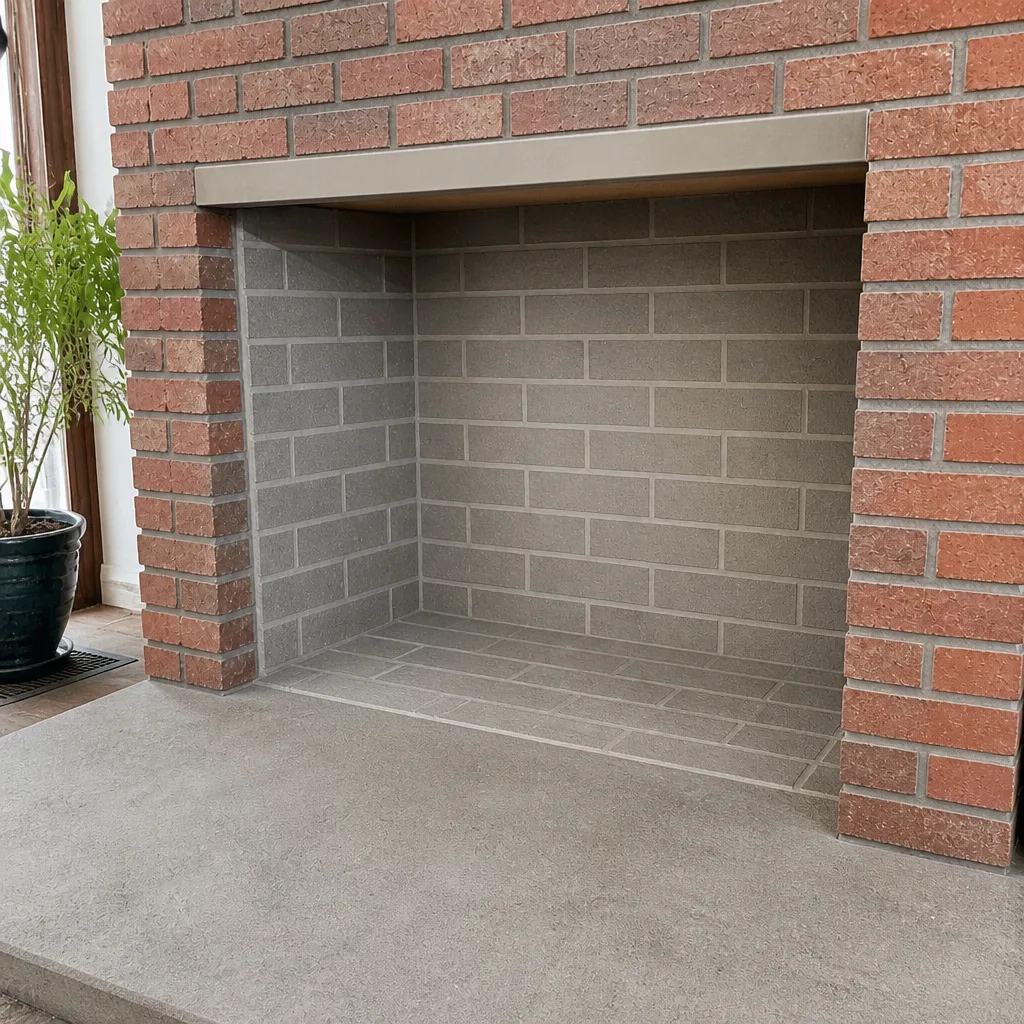
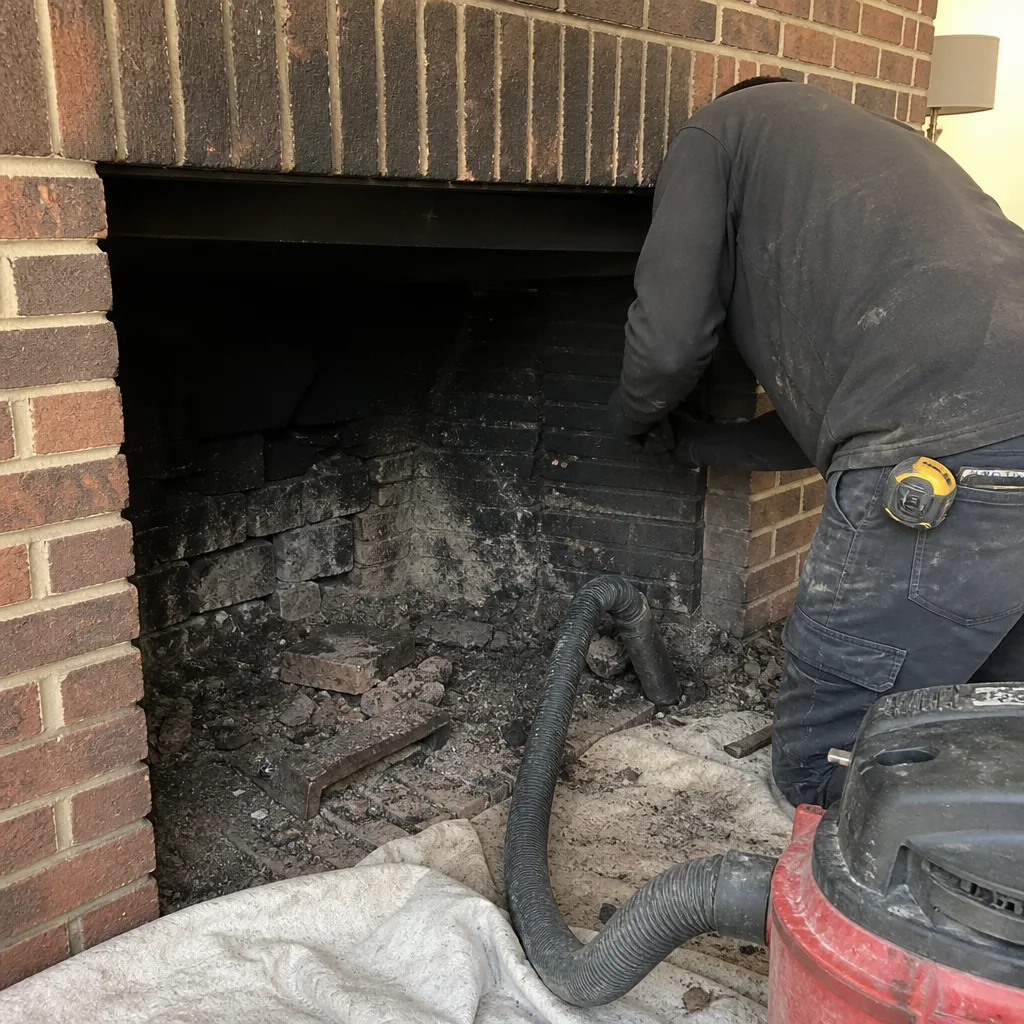
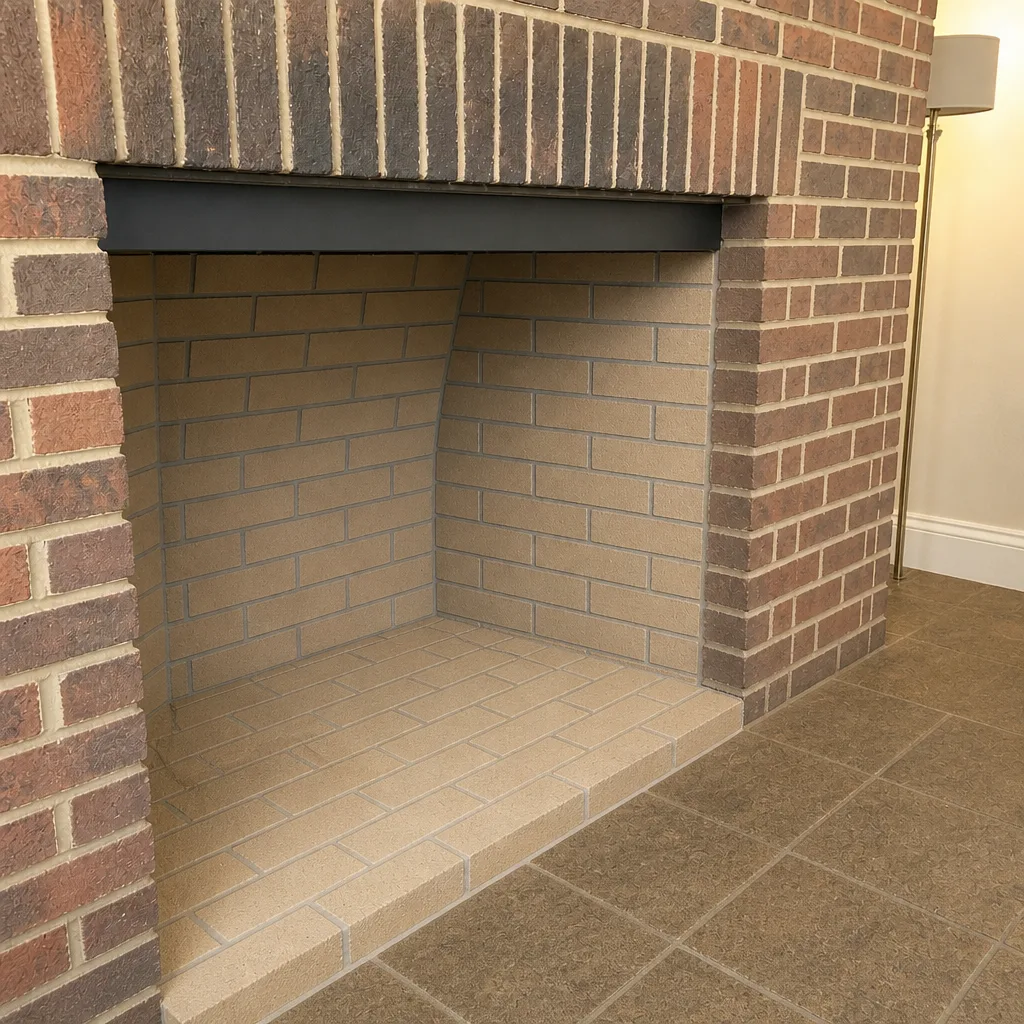
See the difference
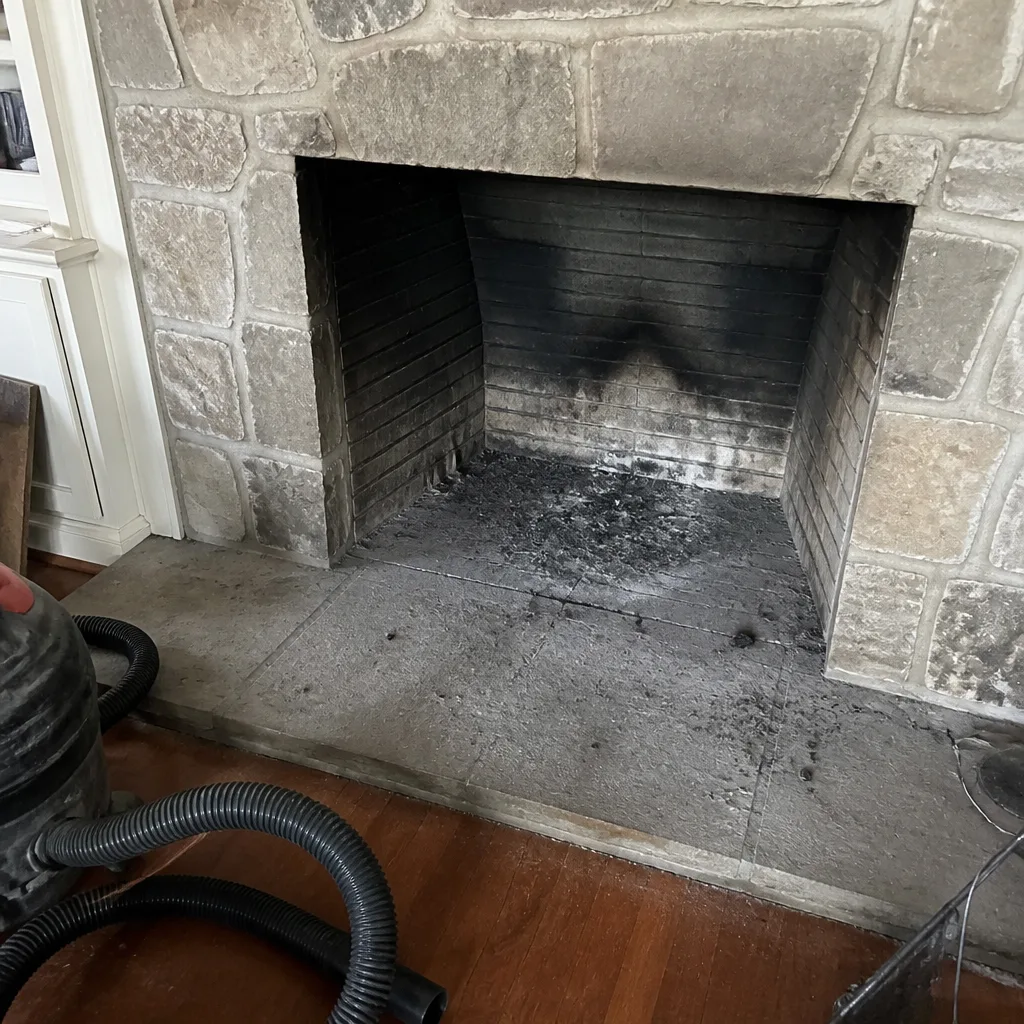 Before
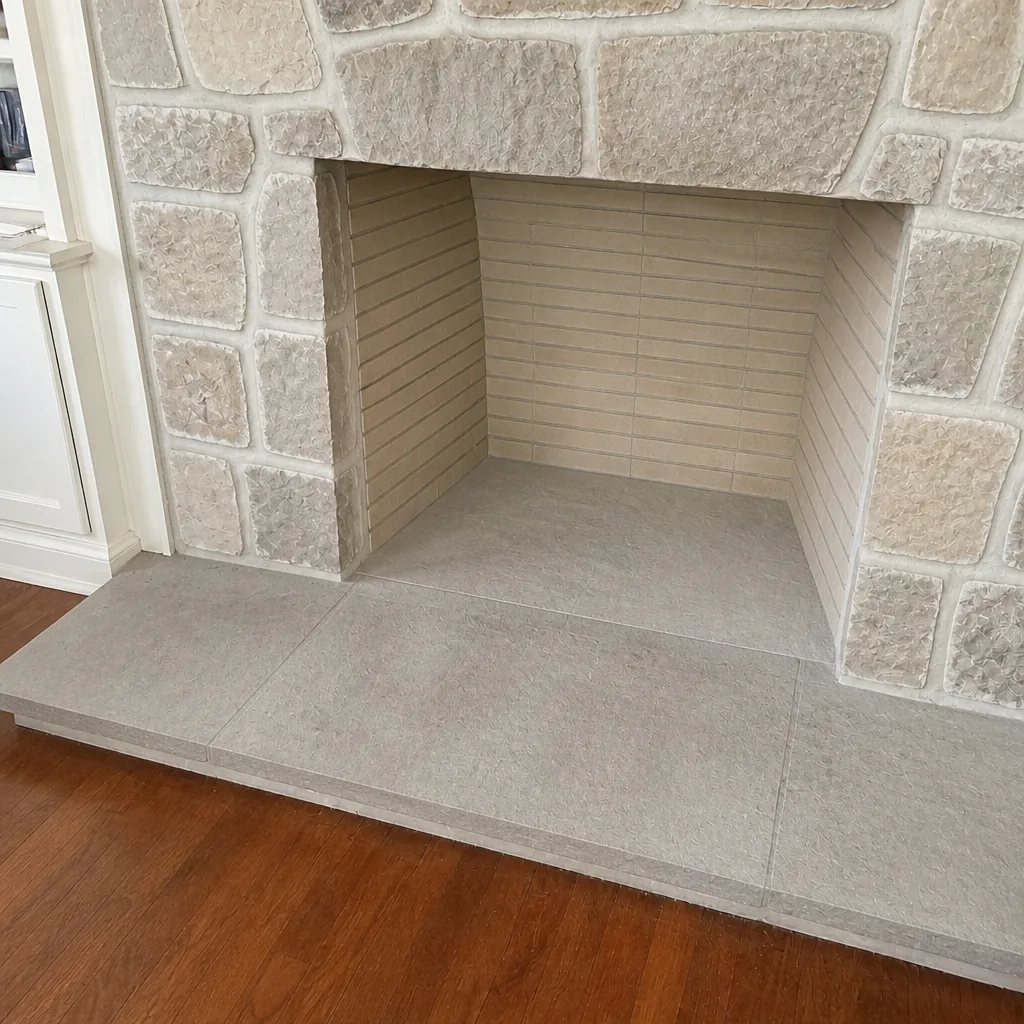 After
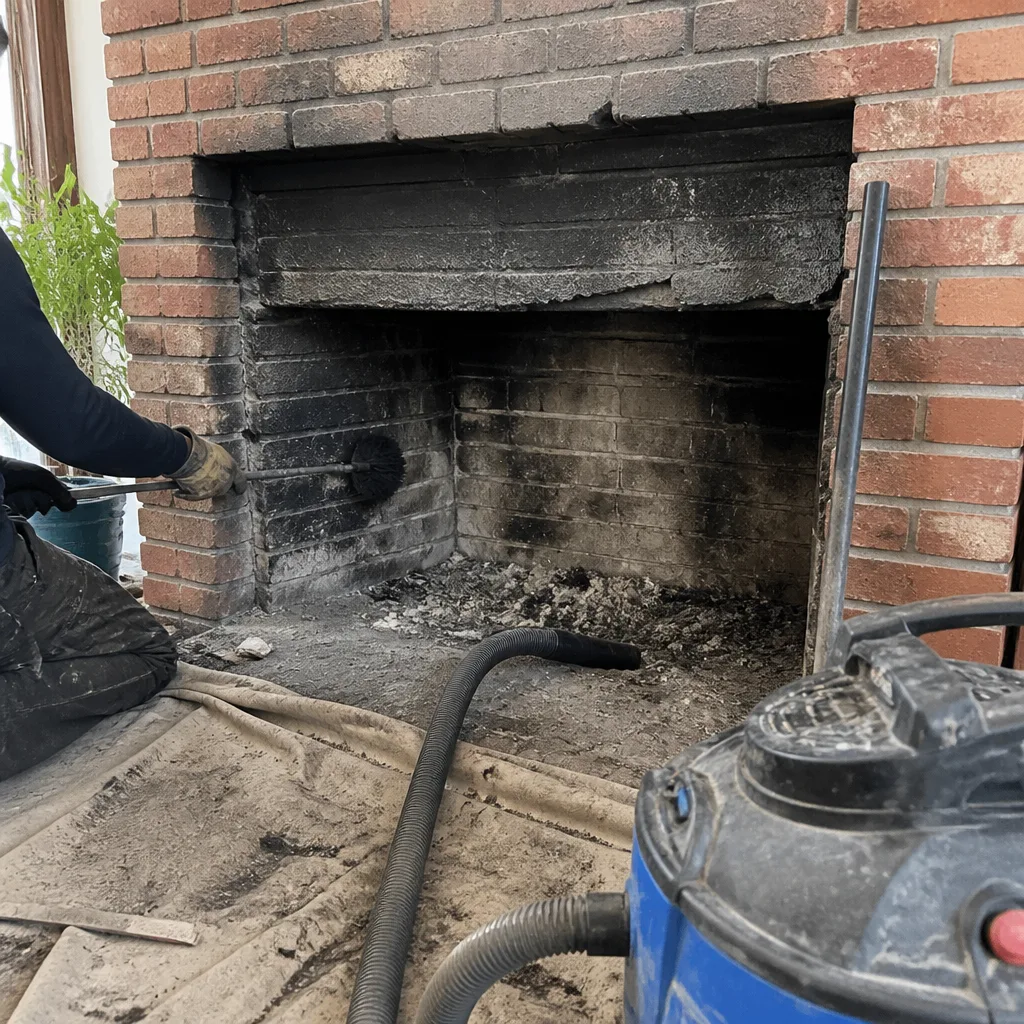 Before
 After
 Before
 After
When to Call a Professional
Some maintenance decisions are for the homeowner, and some belong to the technician. Here’s where the line sits. Call a professional if you see cracked or missing crown material, cracked or spalled masonry on the chimney exterior, lifted or rusted flashing, a damaged or missing cap, or rust inside the firebox. Call if the damper doesn’t open and seat fully. Call if you see heavy or glazed deposits in the flue, if draft has weakened, or if smoke spills into the room. Call if your insurer has flagged your chimney. And call if it’s simply been more than a year since the last inspection, whether you burn wood or gas. Jasper Chimney Sweep offers free estimates in Winston-Salem – call (866) 343-2983. We answer 24/7. Fast dispatch from 7am to 7pm, Sunday through Friday. Nothing is recommended without camera evidence or a written inspection finding you can see for yourself, and we’ll tell you plainly when work can safely wait.
Frequently Asked Questions
Most chimneys should be swept and inspected once a year. If you burn more than two cords of wood in a season, or run the fireplace on most winter evenings, a mid-season sweep may also be warranted. Our technicians have up to 9 years of experience and can tell you after the first inspection whether your burn habits put you in the heavier-use category. Call (866) 343-2983 for an exact quote – estimates are free.
A chimney sweep and inspection is priced per job by the written estimate, not by a flat rate that ignores the system. The inspector will assess the flue, liner, crown, cap, flashing, and firebox, and the written estimate sets the final price before any work is done. Call (866) 343-2983 for an exact quote – estimates are free.
Only if the inspection finds the existing liner can’t safely do its job. Many liner problems can be addressed with a HeatShield ceramic sealant repair rather than a full reline, and a full reline with a DuraFlex flexible system is the answer when the damage is more extensive. Nothing is recommended without findings you can see for yourself, and the written inspection report shows you what the technician saw. Call (866) 343-2983 to book an inspection – estimates are free.
Skipped maintenance mostly means small problems become expensive ones. A cracked crown lets water into the masonry, which freezes and opens the joints wider; a lifted flashing edge leaks into the roof structure; a damaged cap lets animals and debris into the flue. The more serious risk is creosote buildup, which can lead to a chimney fire, and a blocked gas flue, which can lead to carbon monoxide exposure. The safest approach is the annual inspection, which catches these early. Call (866) 343-2983 to book yours.
Yes. Gas fireplaces don’t produce creosote, but their vents and flues can still become blocked or damaged, and condensation from gas combustion can rust the vent. An annual inspection checks the full vent path from the appliance to the termination and looks for blockages, cracks, and rust. Call (866) 343-2983 to book an inspection – estimates are free.
We do, and older homes in neighborhoods around the city often need specific attention because their chimneys were built to older standards and have had decades of weather. The inspection approach is the same: assess the whole system, write down what we find, and explain what needs to happen and when. Because we handle sweeping, repair, and inspection under one roof, the same team stays with the chimney from assessment to finished repair. See our Winston-Salem service area for more.
The Bottom Line
The annual sweep is the floor, not the ceiling. Build your schedule around three fixed points – a late-summer inspection and sweep, a post-storm visual check of the crown, cap, and flashing, and a spring walkthrough of the firebox and damper – and add a mid-season sweep if you burn heavy. Gas fireplaces stay on the same annual calendar even without creosote, because the risk there is carbon monoxide, not deposits. Log every finding so each year’s inspection has a comparison, and treat small water intrusion and crown problems as the cheap fixes they are. A chimney treated as a system rather than a dirty flue is the one that avoids the expensive repairs its neighbors end up paying for. If you’re ready to start your own schedule, Jasper Chimney Sweep handles inspection, cleaning, and repair with one standard of work, and we’re happy to walk through your system with you.
Call (866) 343-2983 for a free estimate. We answer 24/7. Fast dispatch from 7am to 7pm, Sunday through Friday.
Written by the team at Jasper Chimney Sweep.