
Last updated November 16, 2026
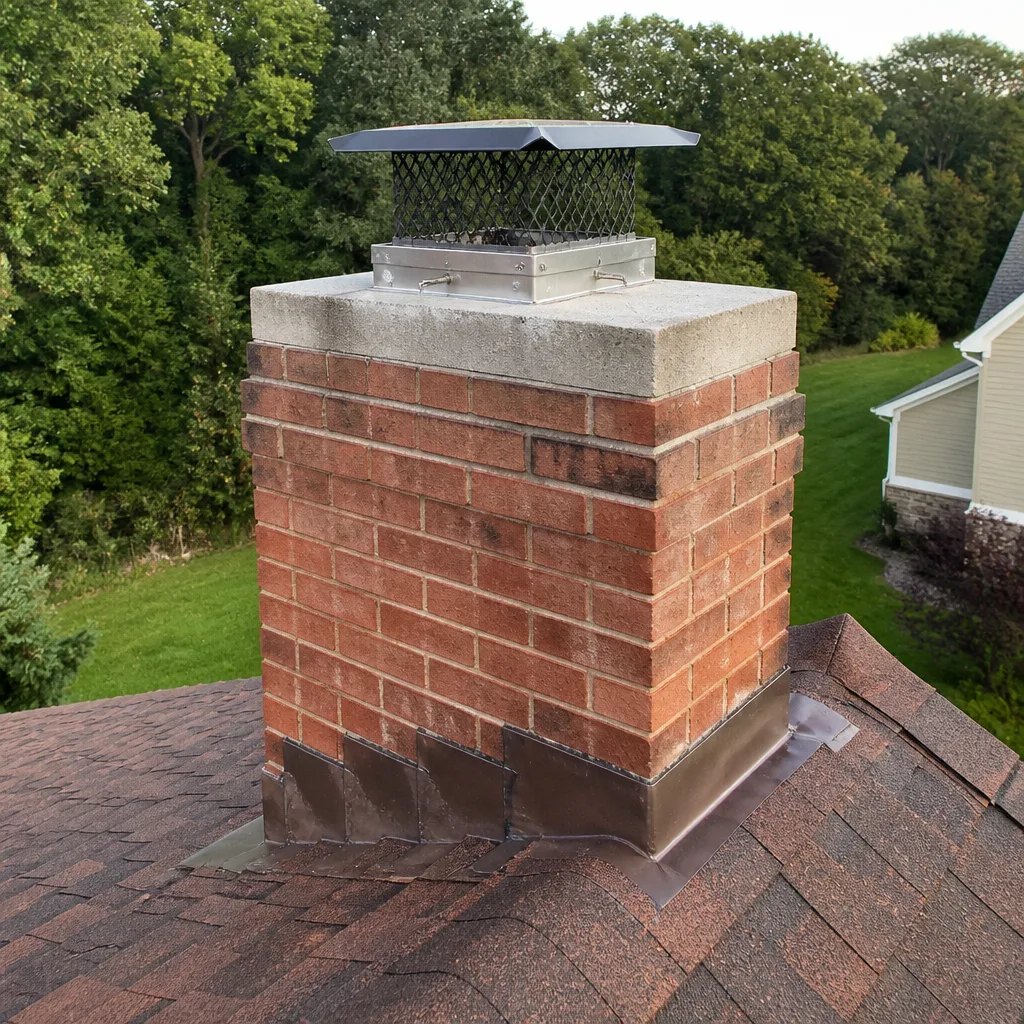 Sweep & inspection
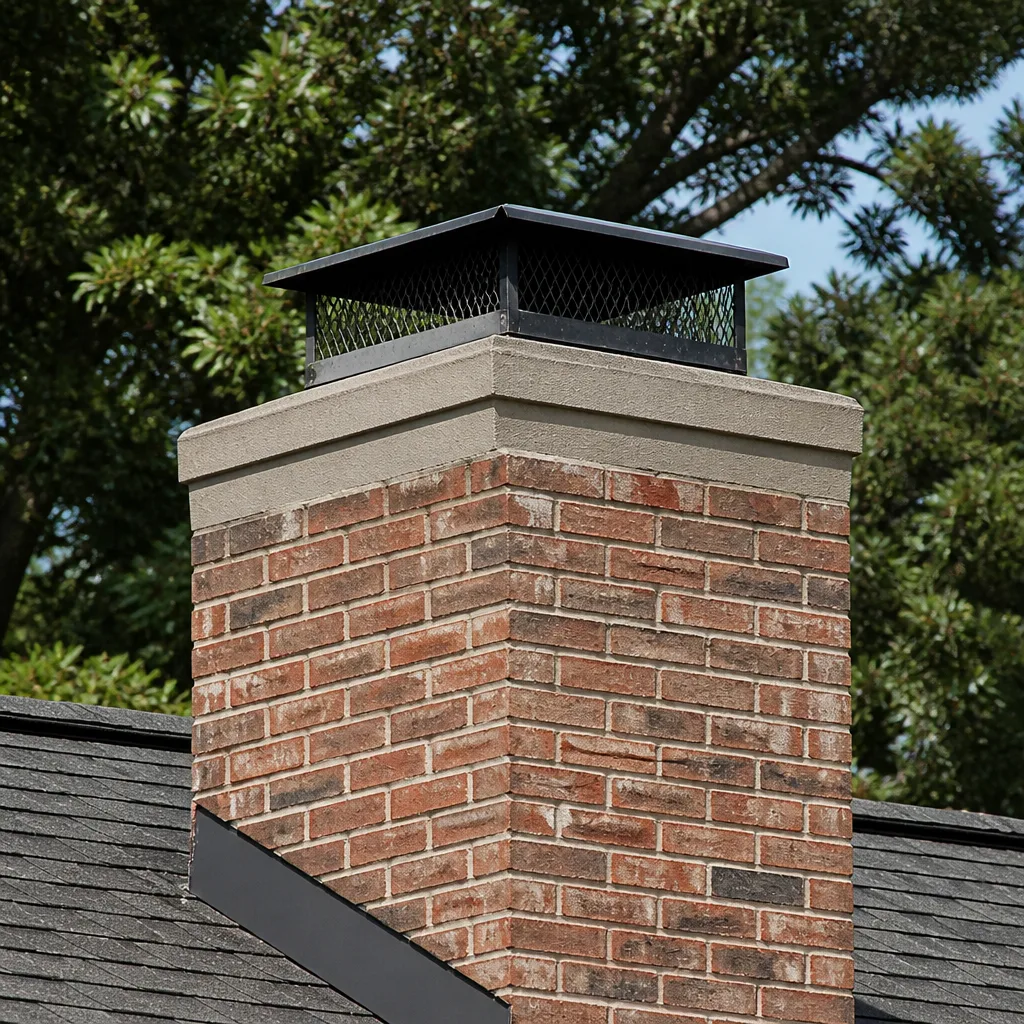 Caps & crowns
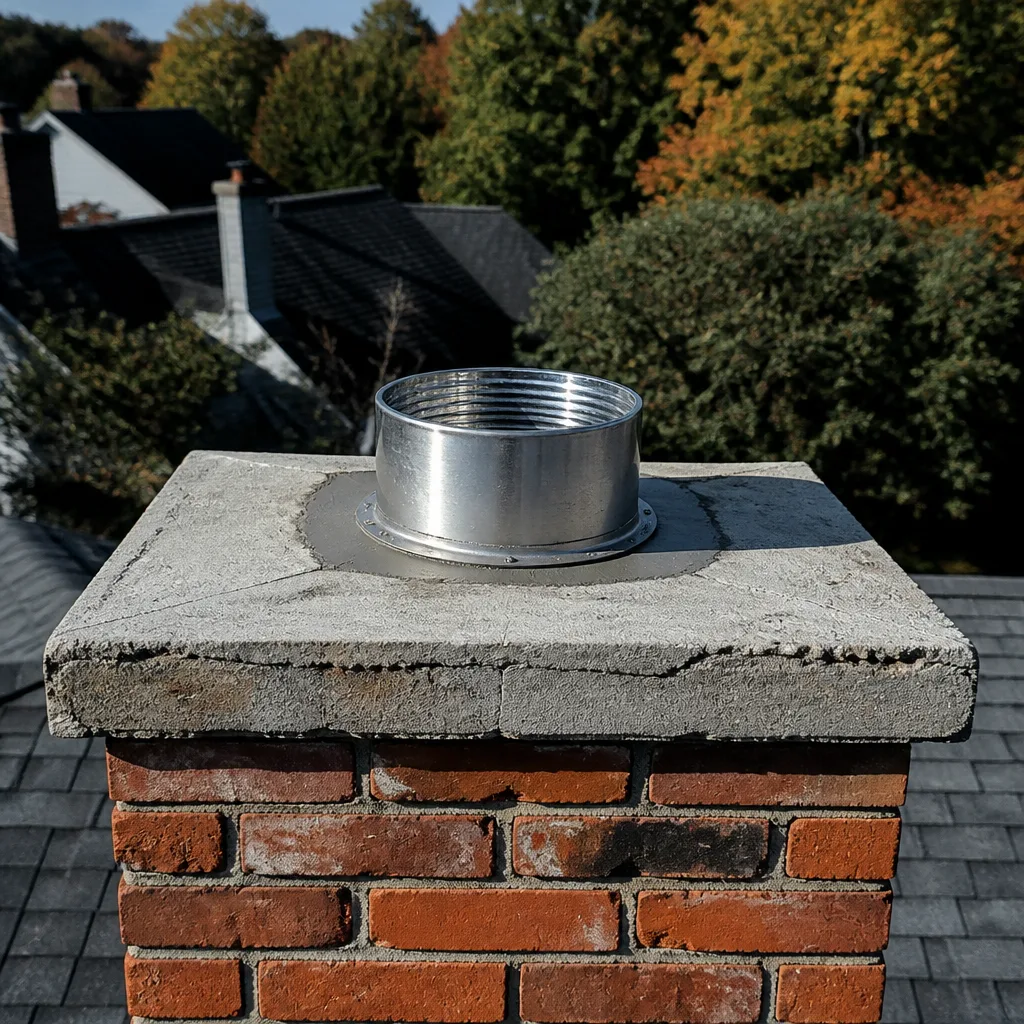 Flue relining
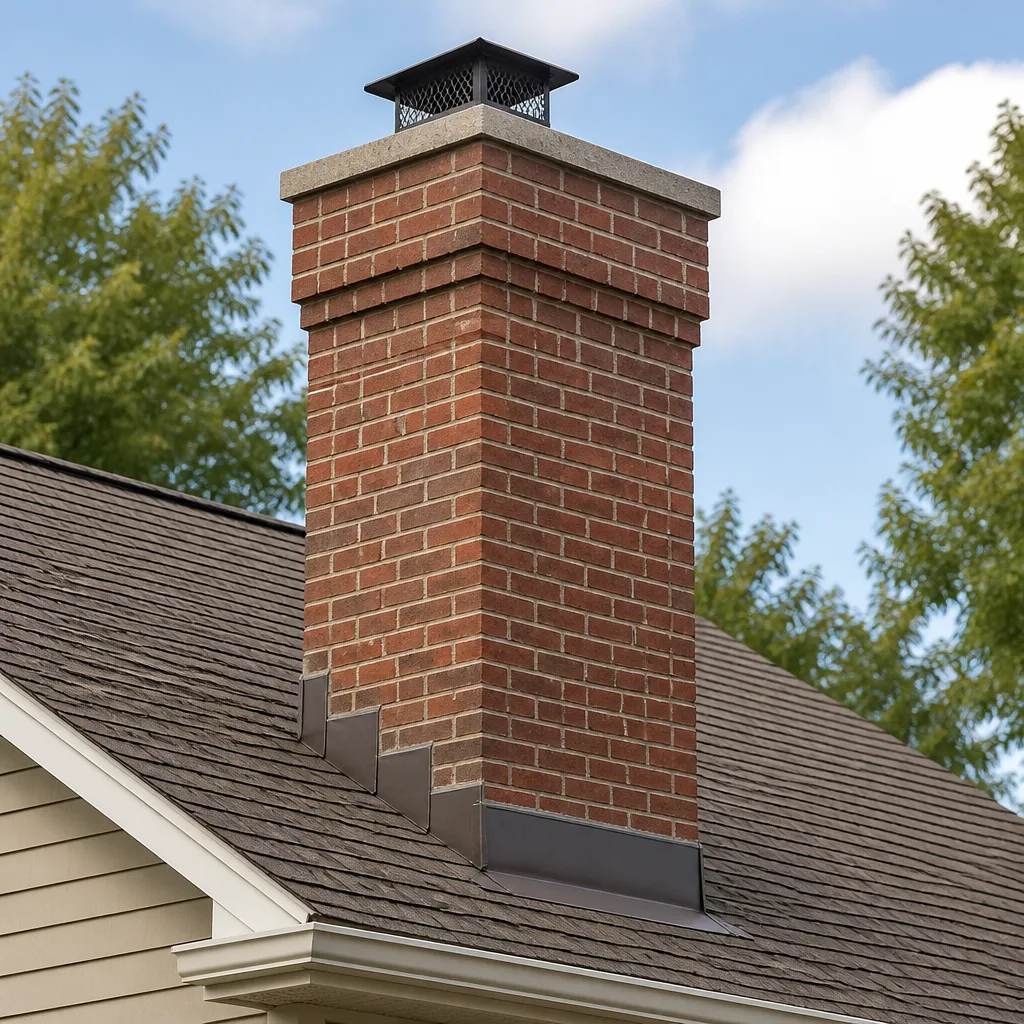 Masonry repair
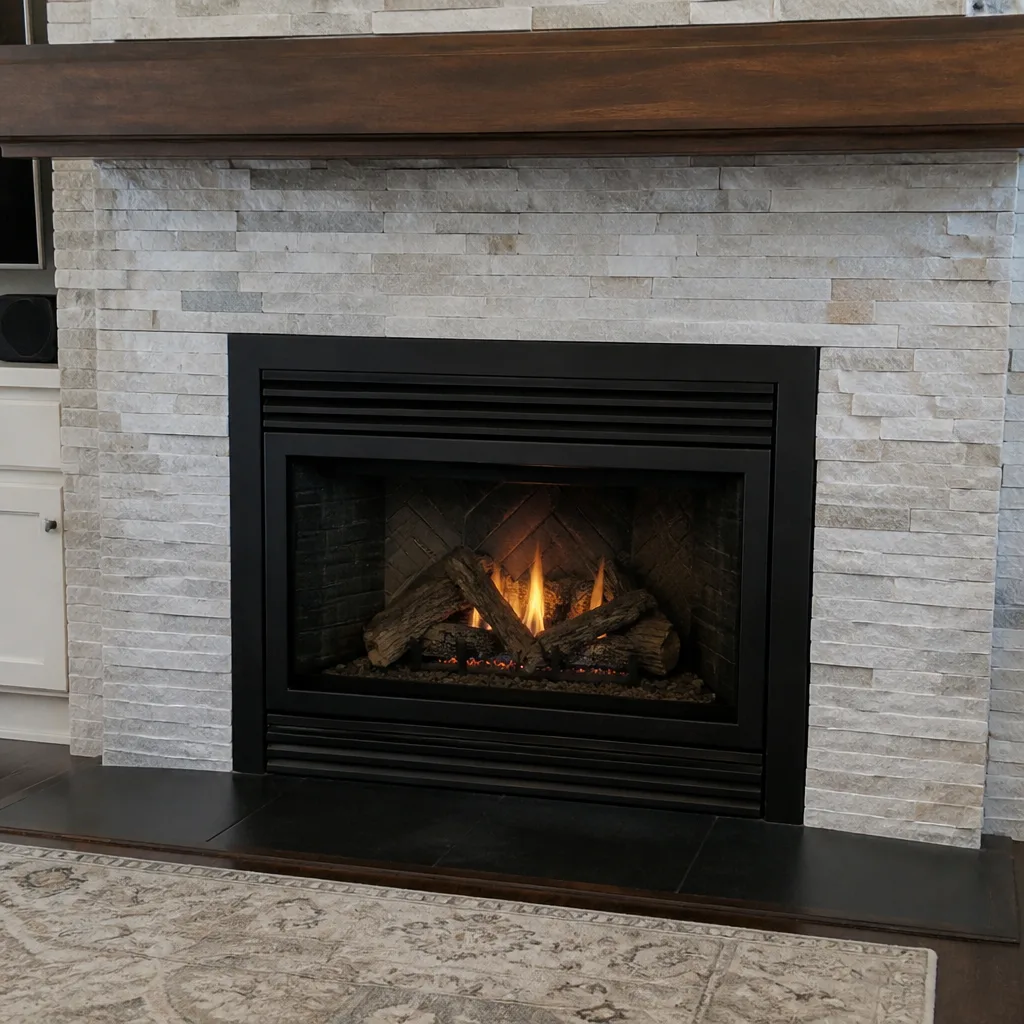 Gas fireplace service
Level 1 sweep and inspection to the NFPA 211 annual standard - flue, crown, cap, and flashing checked and photographed
Chimney sweep logs do not sweep chimneys. They loosen some creosote - which then falls where a brush and vacuum still have to collect it.
Chimney Cleaning Permits, Codes & Inspections in Winston-Salem, NC: What You Need to Know
Here’s a detail that surprises a lot of homeowners: chimney cleaning almost never needs a permit, but the repair work that often follows a cleaning sometimes does. If a chimney company replaced your liner or rebuilt your firebox without pulling a permit, that work may not be recognized as code-compliant when you go to sell your home, and the cost of fixing it usually comes out of your pocket, not theirs. This guide walks through when Winston-Salem and Forsyth County require a permit for chimney work, which parts of the North Carolina Residential Code govern it, what a Level 2 inspection actually is, and how to confirm that work done on your chimney was permitted and inspected.
Quick Answer
In Winston-Salem and throughout Forsyth County, routine chimney cleaning and minor repairs generally don’t require a permit, but liner replacement, changes to gas appliance venting, and masonry rebuilds usually do. North Carolina Residential Code sections R1001 and G2427 set the standards for chimney construction, lining, and venting, and a CSIA Level 2 inspection is typically called for during a home sale, after a chimney fire, or after any change to the flue system. When in doubt, confirm with the Forsyth County building department before work starts.
Styles & brands we work with
- Sweep & inspection
- Caps & crowns
- Flue relining
- Masonry repair
- Gas fireplace service
Table of Contents
- When does chimney work need a permit in Winston-Salem?
- What NC Residential Code sections R1001 and G2427 actually require
- What a CSIA Level 2 inspection is and when you need one
- How to verify that chimney repair work was permitted and inspected
- The insurance angle: documentation NC insurers may ask for
- What to do if you bought a house with unpermitted chimney work
- Chimney cleaning vs. chimney repair: which one triggers paperwork
- Why Winston-Salem’s climate and housing stock matter here
When Does Chimney Work Need a Permit in Winston-Salem?
The short version: cleaning and minor repairs usually don’t need a permit, while anything that changes the structure, the flue, or how an appliance vents usually does. Permit rules ultimately live with the local authority having jurisdiction, which for most of Winston-Salem is Forsyth County’s inspections department, so the safest move before any significant job is a quick call to confirm what they expect for your specific scope. We’ve seen plenty of homeowners assume that because a sweep doesn’t need a permit, a reline doesn’t either. That assumption gets expensive at resale.
As a working guide, here’s how the split tends to fall. This is not a substitute for the county’s word on your job, but it’s the pattern most chimney work follows:
- Chimney sweeping: No permit. Cleaning is maintenance, not construction.
- Minor repair: No permit for small fixes like a loose cap, a damper that needs adjusting, or repointing a few bricks. Ask the county if the scope grows.
- Liner replacement or relining: Usually requires a permit. This is a structural change to the flue system.
- Masonry rebuilds and firebox reconstruction: Requires a permit. Rebuilding a chimney chase or firebox is construction work.
- Changes to gas appliance venting: Requires a permit. Venting a gas appliance into a chimney is a code-governed change with real safety stakes.
- New chimney or major structural alteration: Requires a permit.
Here’s the part most people miss: a permit isn’t just paperwork. It triggers an inspection, and that inspection is what proves the work meets code. When you sell a house in Winston-Salem, a buyer’s inspector will flag a reline that has no permit record, and the deal can stall while you sort out whether the work is even safe. That’s the real cost of a skipped permit, and it lands on you.
What NC Residential Code Sections R1001 and G2427 Actually Require
North Carolina’s residential code draws from the International Residential Code, and two sections come up constantly in chimney conversations. Section R1001 covers masonry chimneys, and Section G2427 covers venting of appliances. Understanding what each one asks for helps you understand what an inspector is looking for and why certain repair jobs can’t be handled casually.
What R1001 covers
R1001 sets requirements for how masonry chimneys are built, lined, and clearanced. It addresses flue lining, the thickness of masonry walls, the height of the chimney above the roofline, and the clearance between the chimney and combustible materials. When a company repairs a chimney, the repaired portion generally needs to meet the same standards as new construction, which is why a lined flue can’t simply be patched with an unlined section. A reline with a professional-grade flexible liner, like a DuraFlex system sized to the flue, brings the flue back into a code-recognized configuration.
What G2427 covers
G2427 addresses appliance venting. This applies when a furnace, water heater, or other gas appliance vents through a chimney or flue. The section governs sizing, termination, and the condition of the venting system. If you’re converting a wood fireplace to a gas appliance, or changing what vents into the chimney, G2427 is the standard the inspector will reference. Changes here need a permit, and they need the work done correctly, because a venting error can push combustion gases back into the home.
If we’re honest about it, most homeowners never need to read the code text. What they need is a company that works to it. The reason we carry the professional brands we do, including HeatShield ceramic sealant for liner repair and DuraFlex flexible liner systems, is that those materials are what certified technicians specify when a job has to pass inspection. When the paperwork catches up to the work at resale, the materials matter.
What a CSIA Level 2 Inspection Is and When You Need One
A CSIA Level 2 inspection is a more thorough evaluation than a basic visual check. It includes all the accessible parts of the chimney and venting system, including the attic and crawlspace where the chimney passes through, and it typically uses a camera to look inside the flue. Where a Level 1 is a visual check done during a routine sweep, a Level 2 goes further to document condition for a reason: a sale, an event, or a change to the system.
Here’s when a Level 2 inspection is typically called for:
- Before or during a home sale. A buyer’s inspector will usually request documentation on the chimney’s condition, and a Level 2 gives them a real picture of the flue system.
- After a chimney fire. Even a small fire can damage the flue lining, and a camera inspection is the way to find out.
- After any change to the flue system. A new liner, a new appliance, or a conversion to gas all warrant a Level 2 to confirm the new configuration is sound.
- After a chimney has been through an event like a lighting strike or an earthquake. These are rare in Winston-Salem, but when they happen, a Level 2 verifies the chimney is still intact.
- When the home changes hands or occupancy. Some inspectors recommend a Level 2 any time the people living with the chimney change.
If you’re not sure which level you need, we can help. Jasper Chimney Sweep pairs a full-system inspection with every sweep, which means you get a written understanding of your chimney’s condition rather than just a cleaning receipt. If the situation calls for a Level 2, we’ll tell you what it involves and what it will document.
How to Verify That Chimney Repair Work Was Permitted and Inspected
If you’re about to buy a home in Winston-Salem, or you just had work done and want to confirm it was done properly, here’s how to check. It’s worth an hour of your time, because a permitted, inspected repair is worth more at resale than an unpermitted one.
- Start with the county’s building department. Forsyth County’s inspections office can tell you whether a permit was issued for a specific address and what the inspection record shows.
- Ask the contractor for the permit number. A reputable chimney company will have it and will be glad to share it. If they can’t produce one for a reline or masonry rebuild, that’s a warning sign.
- Request the inspection record. The county can tell you whether the work passed inspection. A permit that was opened but never closed or never inspected is nearly as much of a problem as no permit at all.
- Get the documentation in writing. Ask for a written report of the chimney’s condition from the company that did the work, plus the permit and inspection records if applicable.
- Have an independent inspection done if the work is unverified. A Level 2 inspection from a company that didn’t do the original work gives you an honest second read.
If you bought a house and the chimney work was never permitted, you’re not stuck. A Level 2 inspection establishes the current condition, and then you have two choices: leave it as is if it’s safe and code-compliant in practice, or bring it into compliance. What you shouldn’t do is assume it’s fine without verifying, especially when a sale is on the horizon.
The Insurance Angle: What Documentation NC Insurers May Ask For
If a chimney-related fire claim ever comes up, your insurer will want to know the chimney was maintained and that any repair work was done properly. Insurers don’t ask for creative interpretation. They want records. If a reline was installed without a permit and without documentation, that’s exactly the kind of gap that can complicate a claim.
Some North Carolina homeowner’s insurers will request documentation on the chimney’s condition, the date of the last sweep, and the details of any repair work. Here’s what to keep on hand:
- Sweep records. A dated receipt or report from each cleaning. Annual sweeping before the burning season is the standard, and the record proves it.
- Inspection reports. Especially Level 2 reports, which document the flue’s condition in detail.
- Permit and inspection records for any reline, rebuild, or venting change.
- Receipts for materials and installation. If a liner was replaced with a DuraFlex system or repaired with HeatShield sealant, the records show what was done and when.
We can work with your insurer when documentation is needed. The point isn’t to satisfy bureaucracy for its own sake: it’s that when the paperwork matches the work, you’re protected. When a contractor cuts corners on permits, you’re the one carrying that risk.
What To Do If You Bought a House With Unpermitted Chimney Work
This happens more than you’d think in Winston-Salem’s older neighborhoods, where chimneys have been modified over the decades. The first step is to find out what’s actually there and whether it’s safe. Don’t assume you need to tear anything down, and don’t assume it’s fine either.
- Get a Level 2 inspection. A camera inspection of the flue is the only way to know what shape the lining is in and whether the work matches what you were told.
- Get an honest condition report in writing. This becomes the baseline for any future decision, including a sale.
- Find out what the county has on record. It may be that the permit exists but wasn’t provided to you by the seller. That’s a much easier situation than no record at all.
- Decide whether to bring it into compliance or leave it. Sometimes the right call is to correct it, and sometimes the work in place is sound and no action is needed. We’ll tell you plainly which case you’re in.
- Keep every record. If you do correct the work, keeping the permit and inspection documents protects you at the next sale.
We’ve helped homeowners in Winston-Salem sort through exactly this situation, and the good news is that it’s usually resolvable. The bad news is that it can be expensive when a hidden problem is left alone. The system you can’t see is the one that matters most, and that’s the whole reason for an inspection.
Chimney Cleaning vs. Chimney Repair: Which One Triggers Paperwork?
Because the permit question turns on whether the work is construction or maintenance, knowing which category your job falls into saves you a lot of uncertainty. Cleaning is maintenance. Repair can go either way, depending on scope. Here’s the practical split:
- Just cleaning: No permit, no inspection required by code. A sweep and a visual check.
- Sweep plus a written condition report: No permit. This is the standard pairing we recommend so you know what you’re dealing with.
- Replacing a cap or damper: Usually no permit. These are top-of-chimney components, though a poorly fitted one can cause problems, so use parts built to last. Gelco and Famco caps and dampers are what we install for that reason.
- Relining: Permit likely required. This is where paperwork most often gets skipped and matters most.
- Masonry rebuilds, firebox reconstruction, and major structural work: Permit required.
- Converting to a gas appliance or changing venting: Permit required.
When a company swept your chimney last fall and also replaced the liner without a permit, those two jobs are not in the same category. The cleaning was fine. The reline should have gone through the county. Our chimney sweep pairs a full-system inspection with every visit so the maintenance side and the verification side happen together.
Why Winston-Salem’s Climate and Housing Stock Matter Here
Chimney code questions have a local flavor, and in Winston-Salem that flavor comes from the city’s age and its weather. The Piedmont’s humid summers and freeze-thaw winters put masonry through real stress, which is why repointing and crown repair come up often in older neighborhoods. Florence, Ardmore, West End, and Washington Park have plenty of century-old chimneys that have been modified, rebuilt, and relined over the decades. When a chimney from 1920 gets relined in 2026, that change to the flue system is precisely the kind of thing that warrants a permit and a Level 2 inspection. The older the chimney and the more modified it is, the more important the paperwork becomes.
The other local factor is the housing market. Winston-Salem sees steady resale activity, and a buyer’s inspector will look at the chimney. An unpermitted reline shows up as a question mark, and buyers ask for a deduction or a correction. If you’re planning to sell, the cheapest time to correct the paperwork is before a buyer points it out. For more on what routine maintenance looks like here, see our guide to scheduling a chimney sweep in Winston-Salem. If repair work is on the table, our chimney repair page explains how the system gets assessed.
Here in Winston-Salem, we tell customers the same thing: keep the receipts, keep the inspection reports, and don’t let a contractor talk you out of a permit for work that needs one. It’s a small cost compared to the correction later.
Common Mistakes to Avoid
- Assuming cleaning and repair follow the same rules. Cleaning doesn’t need a permit. A reline or rebuild likely does. Treat them as different jobs with different paperwork.
- Accepting “we don’t bother with permits for that” as an answer. If a company won’t pull a permit for liner replacement or a masonry rebuild in Winston-Salem, ask why. Sometimes the honest answer is that they aren’t licensed to do the work.
- Skipping the Level 2 inspection when you’re selling. A buyer’s inspector will flag the open question anyway. Getting the report upfront saves renegotiation.
- Not keeping the sweep and inspection records. When your insurer asks for chimney documentation after a claim, you want a current file, not a scramble.
- Buying a house with unpermitted chimney work and assuming it’s fine. It might be. You can’t know without a camera inspection. Get the condition report before closing.
- Using a generalist handyman for a code-governed repair. Liner relining, venting changes, and firebox reconstruction are specialized work. A handyman can sweep, but they shouldn’t be installing a liner.
- Treating a permit as a nuisance instead of protection. The permit is what gives you an inspection record, and the inspection record is what protects you at resale and on an insurance claim. It’s the cheapest insurance on the job.
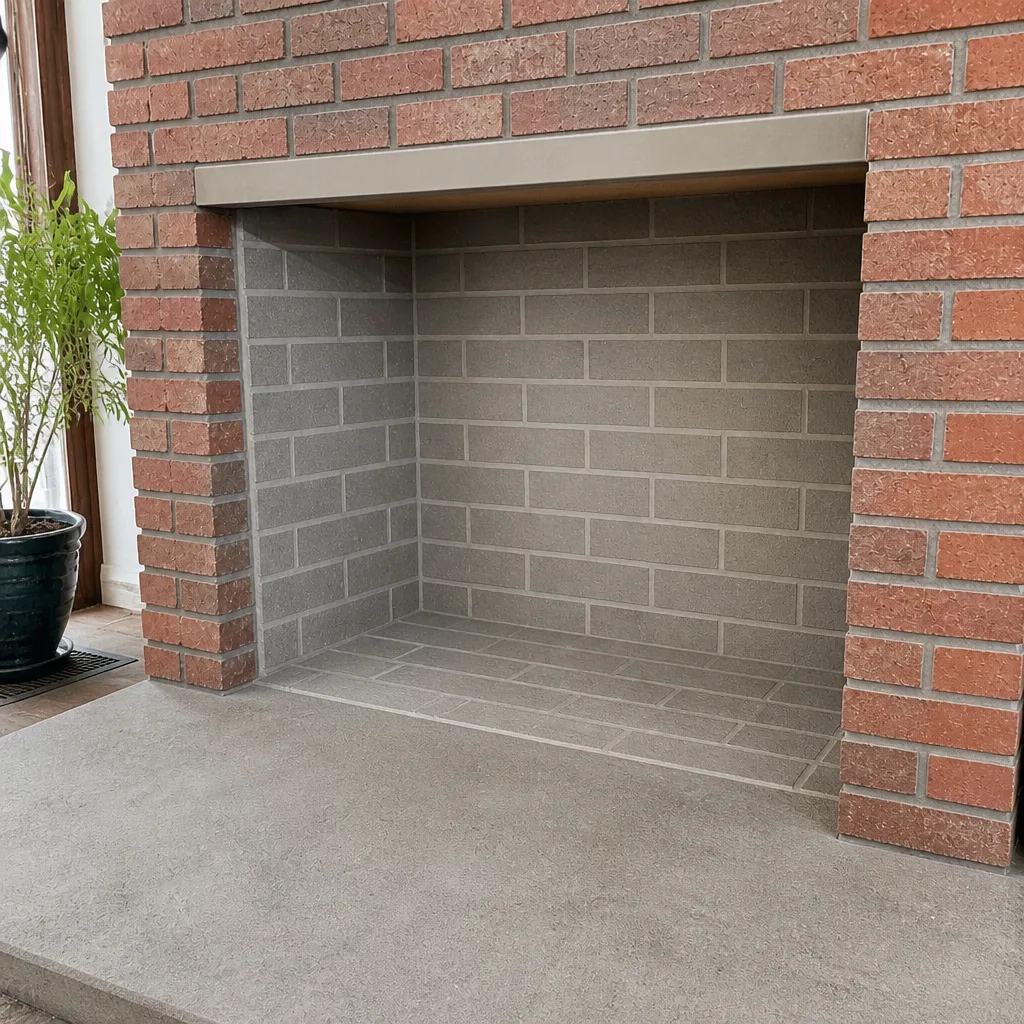
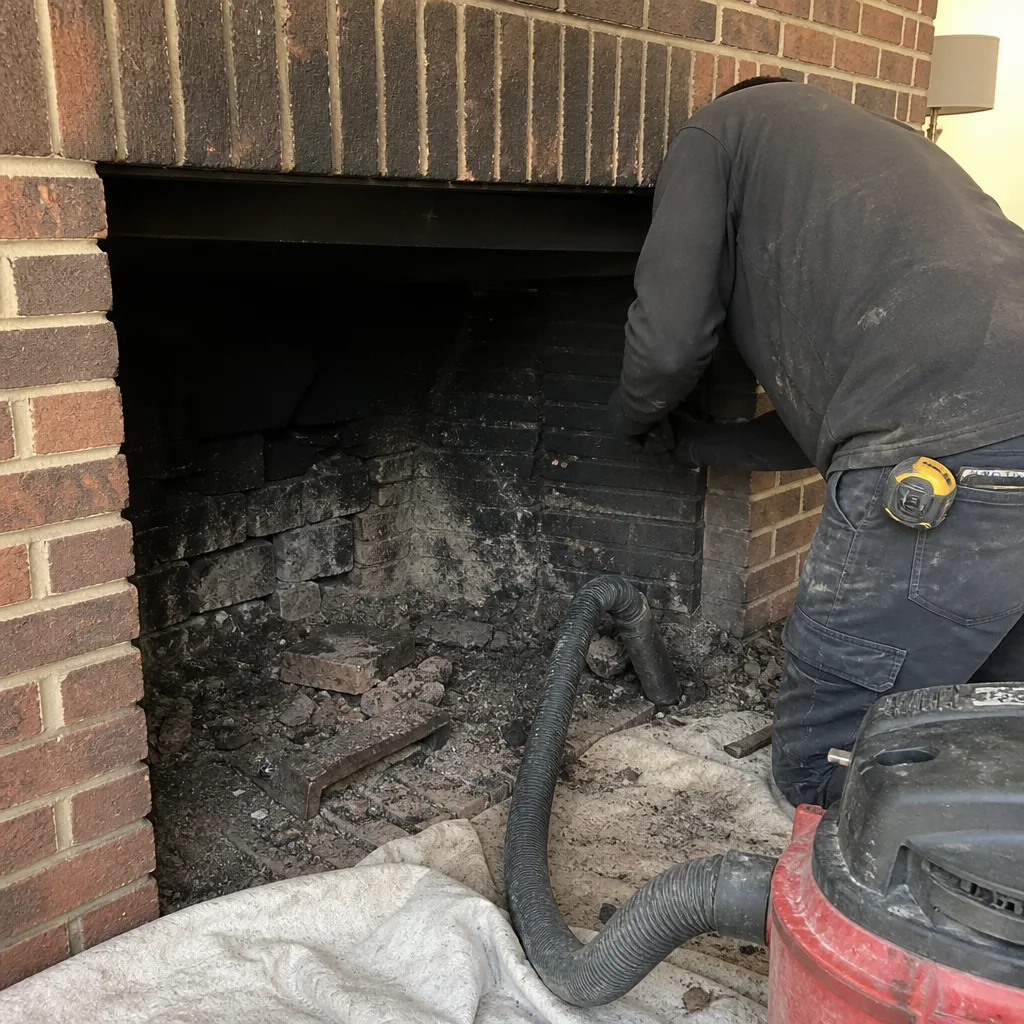
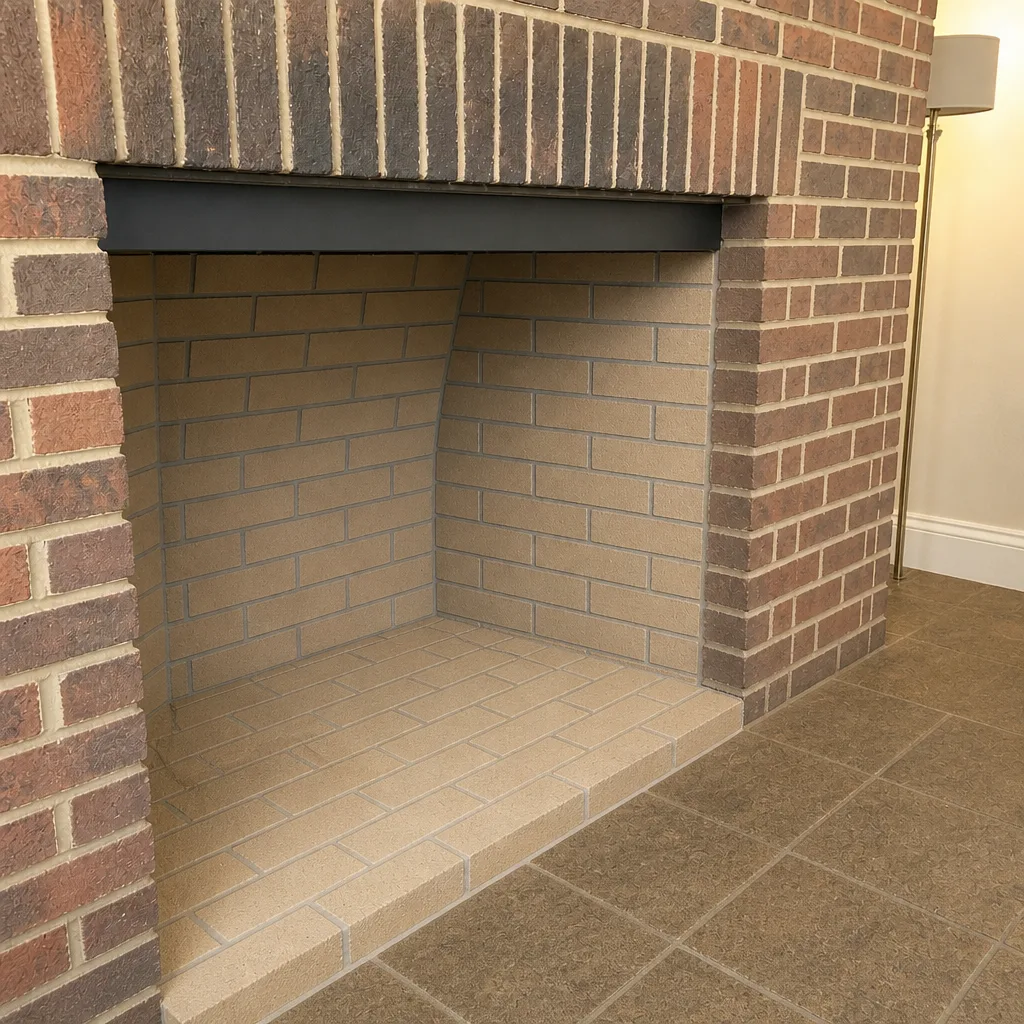
See the difference
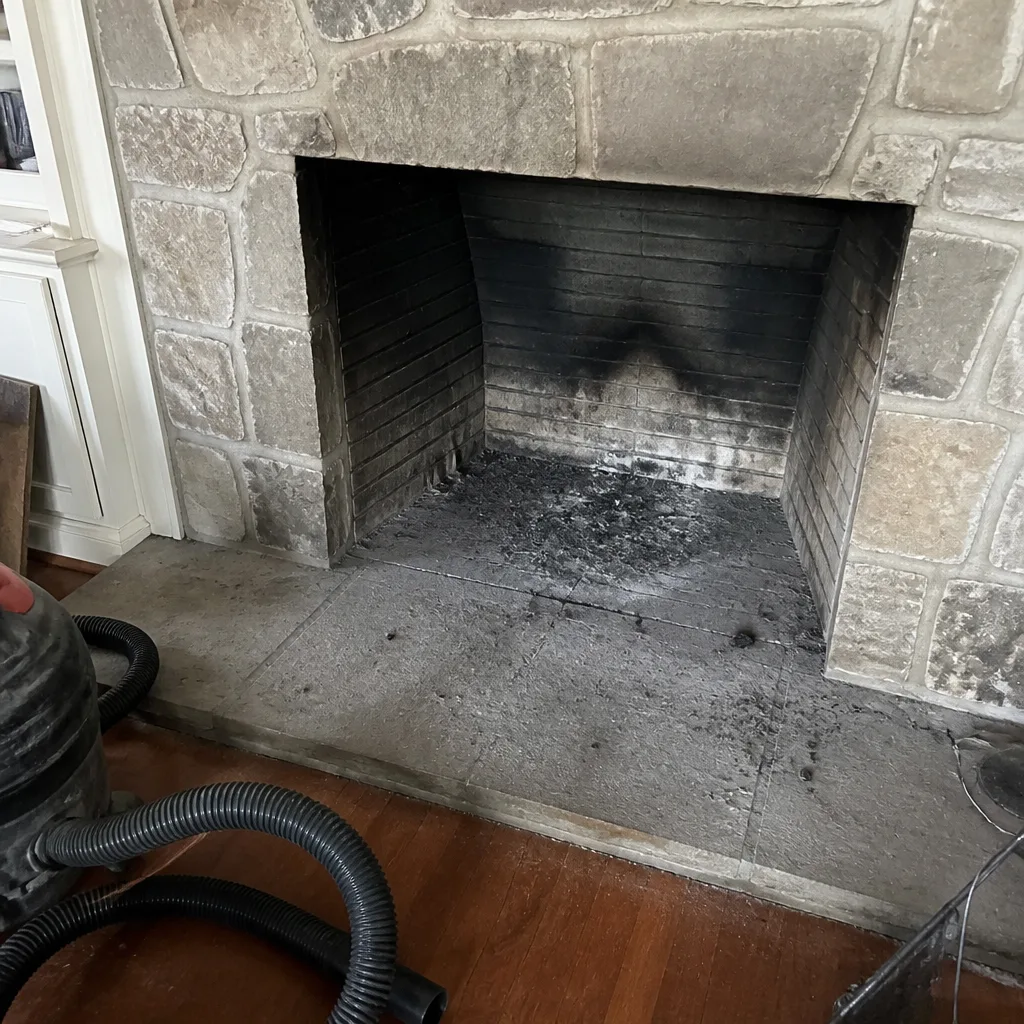 Before
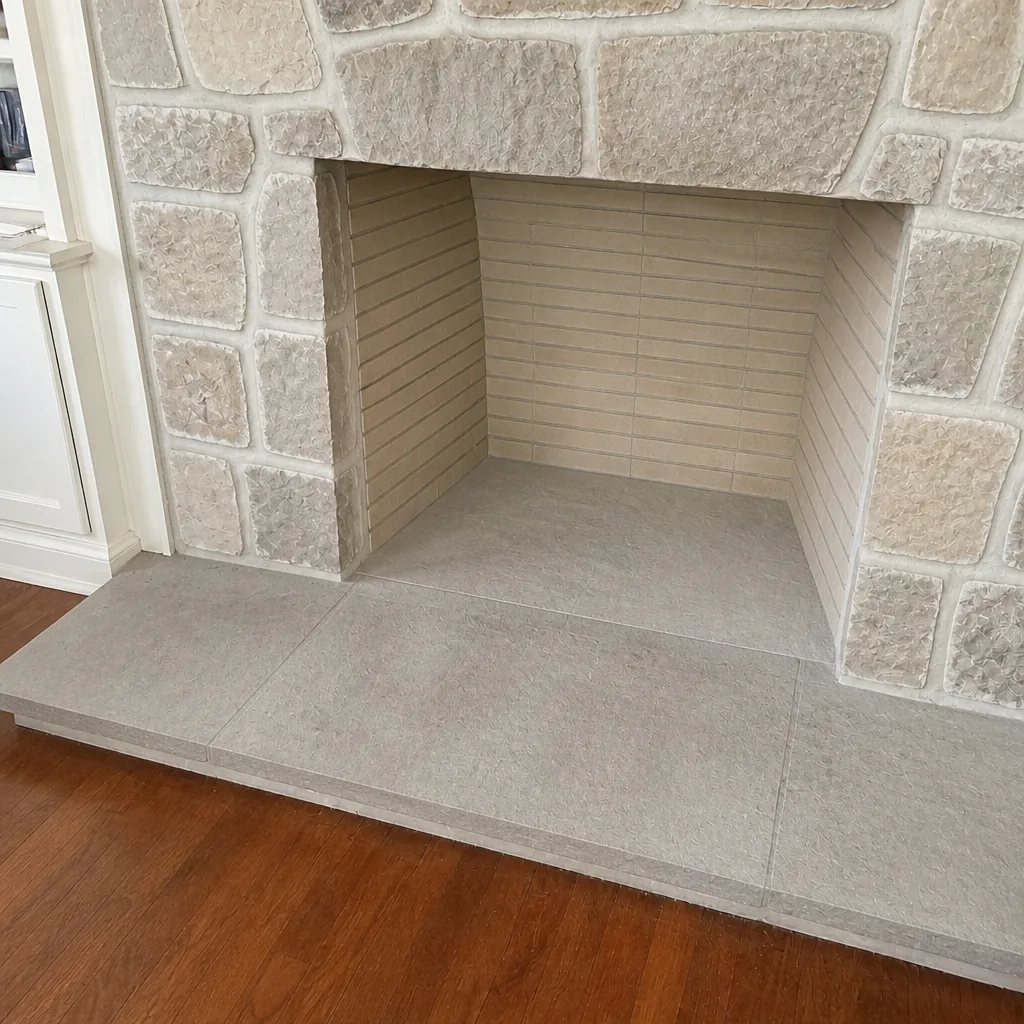 After
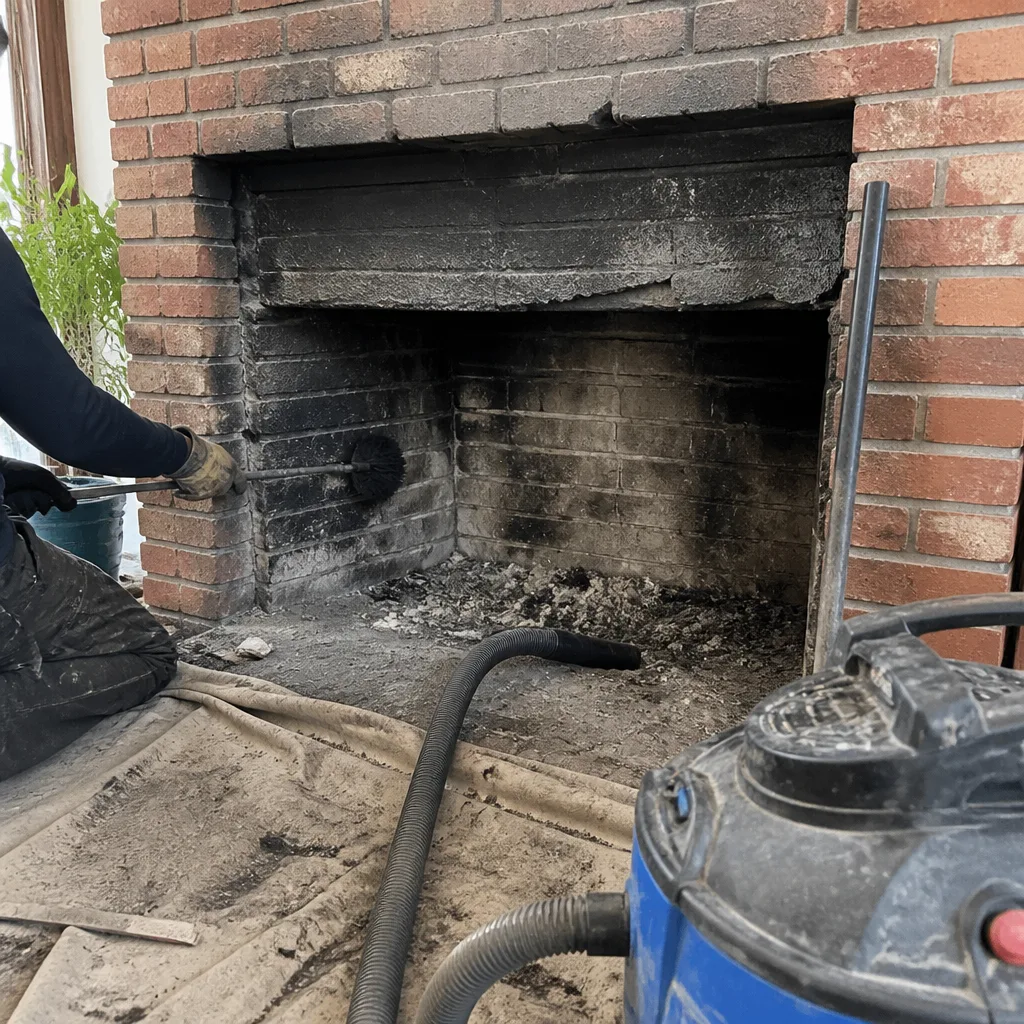 Before
 After
 Before
 After
When to Call a Professional
Call a professional when your chimney needs anything beyond a routine sweep. Specifically: if you’re planning a reline, a rebuild, or a change to how an appliance vents, get a written scope and confirm what permits the county requires before work starts. If you’re buying or selling a home in Winston-Salem and the chimney’s history is unclear, a Level 2 inspection gives you the record you need. If you’ve had a chimney fire, or you aren’t sure whether the liner is intact, call before you burn again. And if you just want an honest read on what your chimney needs, that’s worth a call too. Jasper Chimney Sweep offers free estimates in Winston-Salem; call (866) 343-2983. We answer 24/7. Fast dispatch from 7am to 7pm, Sunday through Friday.
Frequently Asked Questions
No. Routine chimney sweeping is maintenance, not construction, so it doesn’t require a permit in Winston-Salem or anywhere in Forsyth County. A permit typically only enters the picture when the work changes the flue system, the masonry structure, or how an appliance vents. If you’re only scheduling a cleaning, you can book it without any paperwork. Call (866) 343-2983 for an exact quote, and estimates are free.
Usually, yes. North Carolina Residential Code sections R1001 and G2427 govern chimney lining and appliance venting, and a reline is a structural change to the flue system. Confirm with Forsyth County’s building department for your specific scope, and get the permit number from the contractor before the work begins. If a company tells you a reline doesn’t need a permit, ask them to put that in writing. Call (866) 343-2983 to discuss the scope of a reline and what it involves.
A CSIA Level 2 inspection is a thorough evaluation of the chimney and venting system, including accessible portions in the attic and crawlspace, usually with a camera inside the flue. You typically need one during a home sale, after a chimney fire, and after any change to the flue system such as a new liner or a conversion to gas. It’s the standard inspection for documenting condition when a sale or insurance matter is on the line. Call (866) 343-2983 to schedule one, and estimates are free.
Start with Forsyth County’s building department and ask for the permit and inspection record for your address. Then ask the contractor for the permit number they used. A permit that was opened and passed inspection is what you want to see. A permit that was opened but never inspected is a problem. If the work happened before you owned the home, a Level 2 inspection gives you an independent read on the current condition. Call (866) 343-2983 for an exact quote on an inspection.
It can. If a chimney-related fire claim arises and your insurer asks for documentation, a reline or rebuild that was never permitted and never inspected leaves a gap in the record. Some North Carolina insurers want the sweep records, the inspection reports, and documentation of any repair work. We can work with your insurer when records are needed. Call (866) 343-2983 for an exact quote, and estimates are free.
Annual sweeping before the burning season is the standard recommendation for a wood-burning chimney, and an inspection can be paired with every sweep. Our technicians have up to 9 years of experience and evaluate the chimney as a system rather than just a dirty flue. If you’re not sure when the last sweep happened, get an inspection to establish a baseline. Call (866) 343-2983 for an exact quote, and estimates are free.
The Bottom Line
Permits aren’t the exciting part of owning a chimney, but they matter more than most Winston-Salem homeowners realize. Cleaning doesn’t need one. Liner replacement, masonry rebuilds, and changes to gas appliance venting usually do, under sections R1001 and G2427 of the NC Residential Code. A CSIA Level 2 inspection is the documentation that ties it all together, and it’s what buyers and insurers will ask for. If a contractor did work on your chimney without a permit, get the condition report now and decide how to proceed. Keep the records, and call us when you need an honest read on what your chimney needs. You can reach us at (866) 343-2983. We answer 24/7, with fast dispatch from 7am to 7pm, Sunday through Friday.
If you’re ready to talk through your chimney’s condition, codes, or inspection needs in Winston-Salem, call (866) 343-2983 for a free estimate. Whether it’s a routine sweep, a repair, or an inspection for a sale, we’ll tell you what the chimney needs and what the paperwork requires before any work begins. More on our full range of services is at Jasper Chimney Sweep.
Written by the team at Jasper Chimney Sweep.