
Last updated November 16, 2026
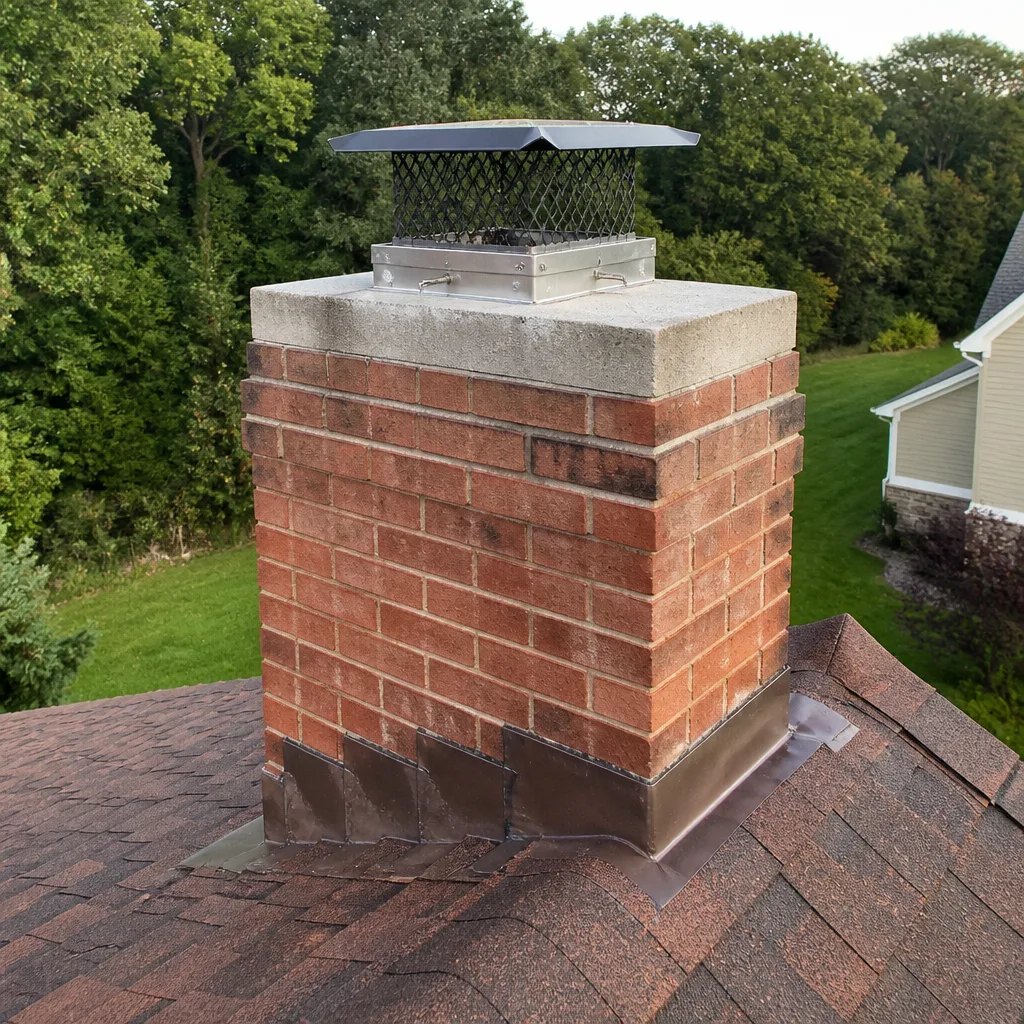 Sweep & inspection
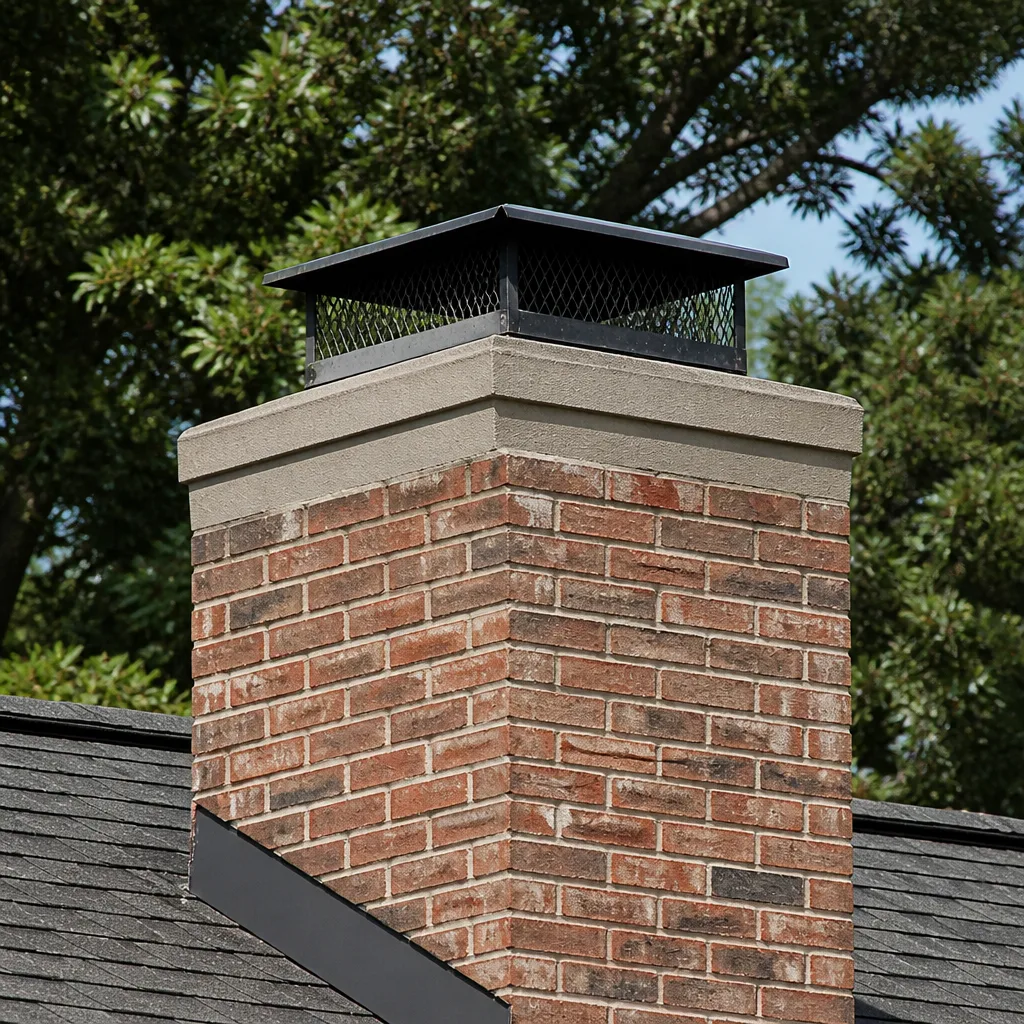 Caps & crowns
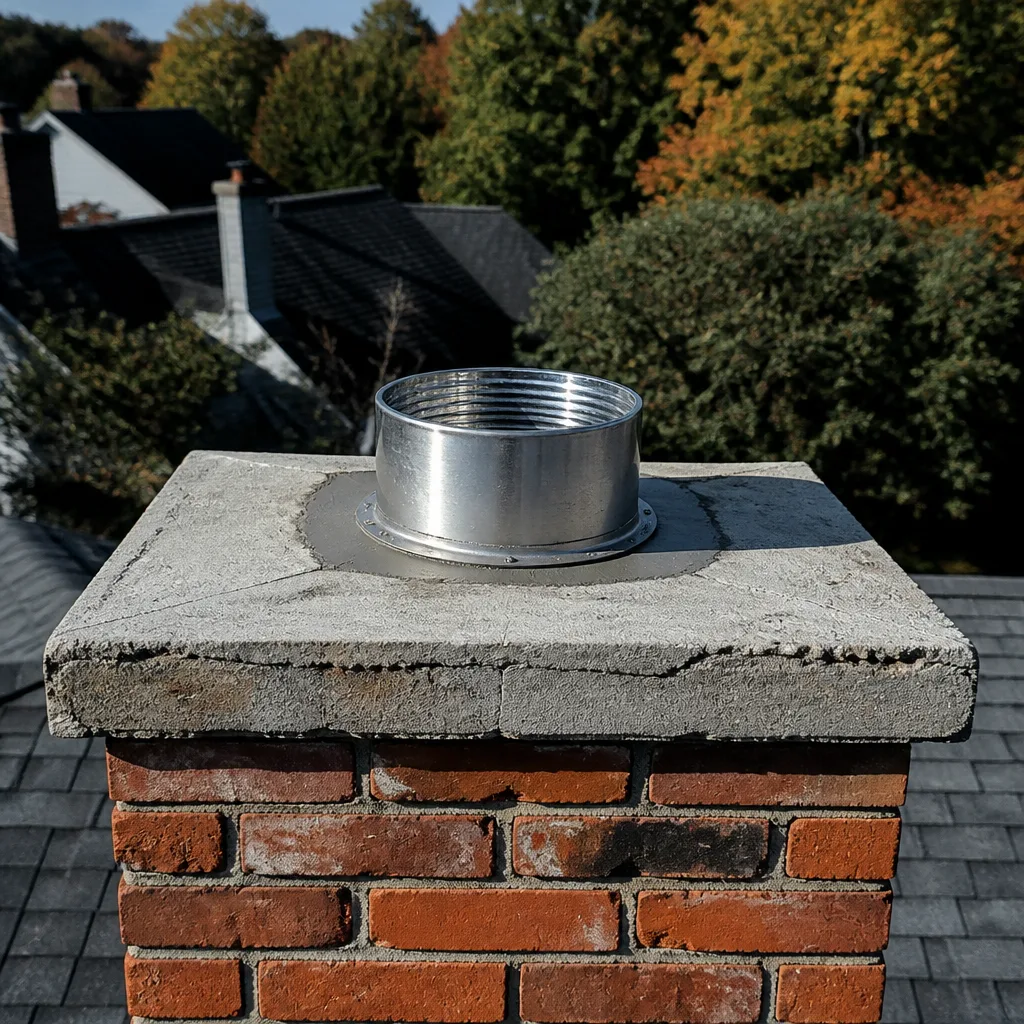 Flue relining
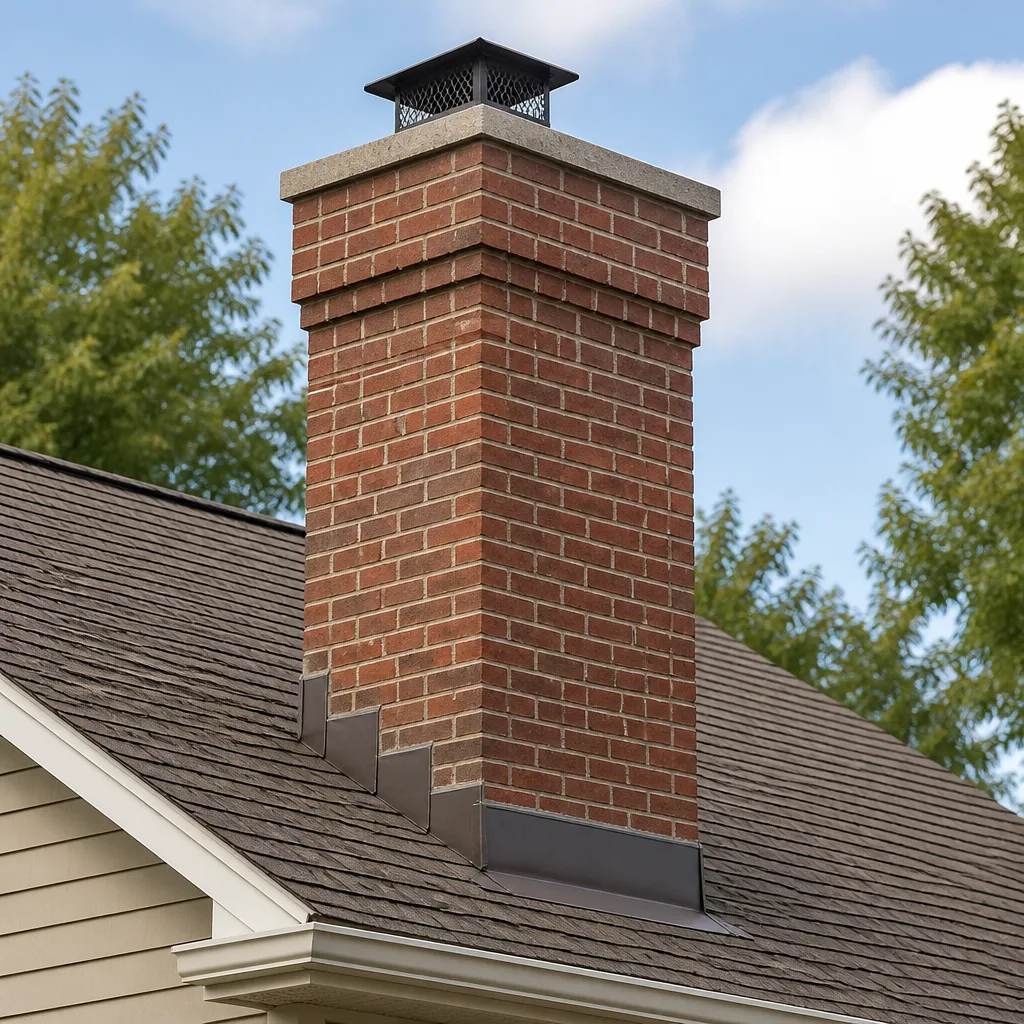 Masonry repair
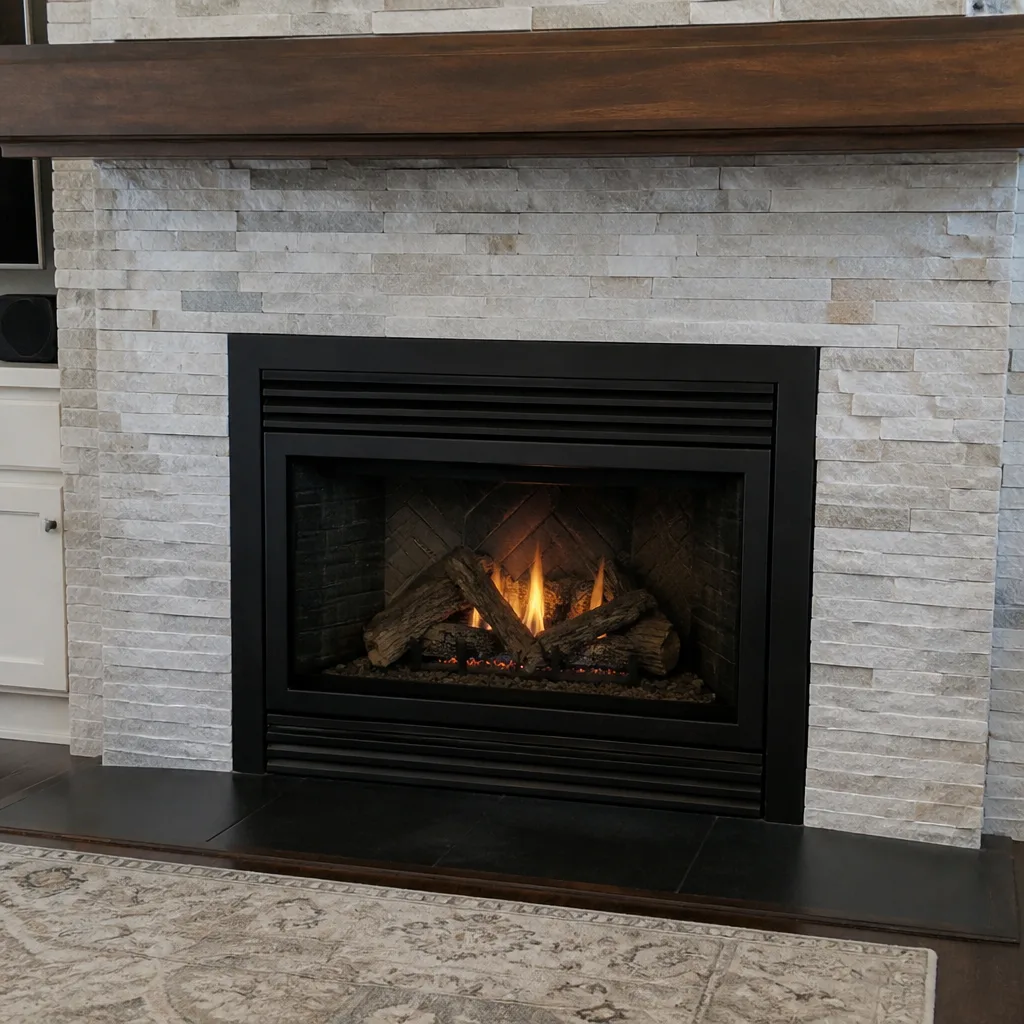 Gas fireplace service
Level 1 sweep and inspection to the NFPA 211 annual standard - flue, crown, cap, and flashing checked and photographed
Chimney sweep logs do not sweep chimneys. They loosen some creosote - which then falls where a brush and vacuum still have to collect it.
Chimney Cleaning Emergency Preparedness Guide for Winston-Salem Homes
A chimney fire doesn’t always sound like a roar. Often it sounds like a low, distant crackling, almost like a fire going in another room, and by the time most homeowners realize what’s happening, the liner is already damaged and the fire department call is already necessary. That gap between what people expect and what actually happens is where chimney emergencies get expensive and dangerous. This guide covers how to recognize a chimney fire in progress, how to tell it apart from a carbon monoxide event, what to do in the first minutes, and how to prepare before the season starts. We’ve written it for Winston-Salem homes that burn wood regularly, and for the ones that just moved into a house with a fireplace nobody has looked at yet.
Quick Answer
A chimney emergency is either a chimney fire or a carbon monoxide event, and the two require different responses. If you see flames or dense smoke from the top of the chimney, hear loud cracking, or feel the chimney pipe get unusually hot, treat it as a chimney fire: call 911, get everyone out, and don’t use the fireplace again until a Level 2 inspection documents the damage. If you have CO alarm activation, headache, dizziness, or nausea with no fire, get fresh air and call 911 for the CO event. In Winston-Salem, most chimney emergencies trace back to creosote buildup and skipped inspections, which is why a pre-season sweeping and inspection is the real preparedness step.
Styles & brands we work with
- Sweep & inspection
- Caps & crowns
- Flue relining
- Masonry repair
- Gas fireplace service
Table of Contents
- How Do You Recognize a Chimney Fire in Progress?
- What Exterior Signs Point to a Chimney Fire?
- What Should You Do During a Chimney Fire, and What Shouldn’t You Do?
- Carbon Monoxide vs. Chimney Fire: Two Different Emergencies
- What Happens After a Chimney Fire Before You Burn Again?
- How Do You Prepare a Winston-Salem Fireplace Home Before the Season?
- Sudden Blockages: The Third Chimney Emergency
- Why Winston-Salem’s Burn Season Sets the Timeline
How Do You Recognize a Chimney Fire in Progress?
A chimney fire in progress is not always visible from inside the room. Many burn hot and fast inside the flue while the firebox looks normal or even quiet. The signals that matter are the ones most people dismiss as “the fire settling.” If you know what to listen for and what to feel for, you’ll catch a chimney fire early instead of after the liner has cracked.
Watch for these in-progress signals:
- Sound: a low crackling that sounds distant, or a rumble like a train or a low roar. A popping or tapping sound from the flue is also common as creosote ignites in stages.
- Smell: a hot, acrid, tar-like smell inside the house, or smoke that backs into the room even with the damper open.
- Heat: the chimney pipe, the chimney breast, or the wall behind the fireplace gets noticeably hot to the touch. The fireplace surround or mantel may feel warm when it usually doesn’t.
- Draft: the fire suddenly gets very hot and fast, or the draft reverses and the firebox puffs smoke.
- Smoke color: dark, dense smoke from the top of the chimney, or a visible plume that doesn’t match how the fire was burning a minute ago.
Creosote is the fuel in almost every chimney fire. It builds up as a byproduct of wood smoke condensing on the flue walls, and in a flue that hasn’t been swept, a hot fire can ignite it. The thicker and more glazed the creosote, the more fuel is available. That is the single most important reason a routine chimney sweep matters more than any emergency kit. A sweep removes the fuel; an emergency plan only helps you respond once that fuel has already lit.
In our experience, homeowners in older neighborhoods around Buena Vista and Ardmore often burn seasoned hardwood and still see heavy creosote because the flue is undersized for the firebox. Draft problems concentrate creosote, and concentrated creosote is what turns a small chimney fire into a serious one. If your fire smokes back into the room on calm days, that’s a draft signal worth acting on before winter.
What Exterior Signs Point to a Chimney Fire?
Some of the clearest chimney fire signs are only visible from outside the house, which is why stepping out the door is one of the fastest ways to confirm what’s happening. If you suspect a chimney fire, get everyone outside anyway, then look up.
From the yard, look for:
- Smoke from the chimney top that doesn’t match the fire. Black or gray smoke rolling steadily when the fire inside is small, or smoke that keeps coming after the fire is out.
- Sparks or embers from the crown. Flakes of burning creosote can shoot out of the top of the chimney like a sparkler.
- Visible flame at the top of the chimney. Any flame above the crown is a chimney fire until proven otherwise.
- Discolored or blistering chimney cap or crown. Heat damage, warped metal, or a cap that has shifted are signs a hot event has happened, sometimes before anyone heard the fire.
- Smoke or heat stains on siding near the chimney. Look for dark streaks or paint that has bubbled on any part of the house the chimney touches.
- Cracked or spalling masonry on the exterior chimney. Heat expands the masonry, and a hot chimney fire can crack mortar joints and brick faces.
A chimney cap is the first thing we look at during a post-fire inspection because caps and crowns absorb heat damage first. Gelco and Famco caps and dampers are what we install when a cap needs replacing, and we choose them because they hold up to heat and weather rather than needing another replacement in a couple of seasons. A cap that failed in a fire doesn’t protect the flue from rain or animals afterward, so replacing it promptly matters.
The exterior view of a chimney fire is also how many neighbors notice a problem first. If a neighbor mentions seeing sparks or heavy smoke from your chimney, take it seriously even if you didn’t notice anything inside.
What Should You Do During a Chimney Fire, and What Shouldn’t You Do?
The correct response to a chimney fire can be summarized in a short numbered list. The wrong response, adding air, is the one most people default to. An open damper feeds oxygen to burning creosote, and more oxygen means a hotter, faster fire inside the flue.
If you believe you have a chimney fire, do this, in order:
- Get everyone out of the house. Call 911 from outside or from a neighbor’s phone. A chimney fire can spread into the attic or the structure of the house, and you can’t see that from the living room.
- Close the firebox glass doors or the fire screen if you can do it safely. Starving the fire of room air slows it. Do not reach into a hot firebox.
- Leave the damper alone. Do not open the damper further to “let the smoke out.” That feeds oxygen to the fire in the flue.
- If the fire was recently burning, don’t add more wood. Let the existing fuel burn down.
- Wait for the fire department. A firefighter can check the roof and chimney from above and confirm the fire is out. In our experience, a homeowner who “handles it” and stays in the house is taking the biggest risk of all.
- Don’t use the fireplace again until a Level 2 inspection has been completed and documented.
The one case where you call 911 and get out but don’t do anything else inside the house is when you already see flame or heavy smoke in the room, or the wall behind the fireplace is hot. That’s a possible structure fire, and the only correct action is to get out and stay out.
The line between 911 and self-managing is simpler than people think. If any exterior sign is present (flame, sparks, heavy smoke from the crown), call 911. If you smell creosote and hear a faint pop but see no exterior signs, get out and call 911 anyway, because a chimney fire confined to the flue is exactly the event a firefighter can confirm from the roof. In our experience, chimney fires reported and confirmed early are the ones that don’t turn into roof fires.
Carbon Monoxide vs. Chimney Fire: Two Different Emergencies
Carbon monoxide and chimney fires are different emergencies that share overlapping causes. A blocked or partially blocked flue can vent CO into a home, and the same creosote or debris that causes a blockage can also ignite. Homeowners sometimes mistake CO symptoms for a cold or the flu and miss the one event that is truly time-critical. The difference in response is what you do first.
Here is how to tell them apart:
- Chimney fire: sound, smell of hot creosote, visible smoke or sparks at the top of the chimney, heat in the chimney structure. Response: get out, call 911.
- Carbon monoxide: CO alarm activation, headache, dizziness, nausea, confusion, or unusual sleepiness with a fire burning. No visible flame or smoke needed. Response: get everyone to fresh air, call 911, and don’t re-enter until the fire department clears the home.
CO has no color and no smell, which is why detection is a preparedness issue rather than a response issue. For a fireplace home in Winston-Salem, place CO detectors on every level of the house and outside each sleeping area. Put one near the fireplace room if that’s where people spend evenings. Test the batteries at the start of each burn season. This is standard, and it’s the single most useful thing a fireplace household can do.
Since chimney fires and CO events share a cause, the fix is the same: a clean flue, a cap that works, and a working draft. A chimney repair on a cracked crown or a damaged cap keeps water and animals out, and a sweep removes the creosote that could otherwise ignite or block the flue. The two together are what keep a fireplace from becoming a source of either emergency.
What Happens After a Chimney Fire Before You Burn Again?
After a chimney fire, a Level 2 inspection is the next required step, and it is not optional if you want to use the fireplace again safely. A Level 2 inspection goes beyond a visual check from the firebox. It examines the flue, the liner, the chimney structure, the cap, and the connections, and it uses a camera to see the parts of the flue you cannot reach visually.
What the inspection documents matters as much as the inspection itself. A Level 2 inspection after a fire should tell you:
- Whether the liner is cracked, warped, or delaminated, and where.
- Whether the flue has gaps, offsets, or damage from the fire.
- Whether creosote remains in the flue and needs another sweep.
- Whether the cap, crown, and masonry show heat damage.
- Whether the chimney needs repair, relining, or replacement before it can be used.
We pair a full-system inspection with every sweep, and a post-fire inspection is where that approach matters most. A cleaning receipt that says “swept, looks fine” doesn’t tell you whether the liner survived a 2,000-degree event. Our technicians have up to 9 years of experience inspecting fire-damaged flues, and we document what we find in writing so you and your insurer have a clear record.
Repair after a fire usually follows one of three paths. A minor heat-damaged cap means a replacement with a Gelco or Famco cap. A cracked or warped liner usually means a relining with a DuraFlex flexible liner system sized to the flue. A liner with pitting or minor cracks that haven’t compromised the structure may be a candidate for HeatShield ceramic sealant repair, which is a specialized process most generalist services don’t carry. The inspection tells you which path applies, and the written report gives you something concrete to compare against a second opinion if you want one.
How Do You Prepare a Winston-Salem Fireplace Home Before the Season?
Preparedness for a chimney emergency is mostly a set of small actions taken before the first cold night, not a purchase or a gadget. The homes that handle a chimney fire or a CO event well are the ones that had a plan before anyone needed it. Here is the practical checklist we recommend to Winston-Salem homeowners.
- Get a pre-season sweep and inspection. Book it before the burn season, not during the first cold week. A sweep removes creosote; the inspection tells you whether the flue is safe to use. Both are the same appointment when a specialist handles all three core services.
- Place CO detectors correctly. One on every level, one outside each sleeping area, and one in the room with the fireplace. Test every detector before the season starts and replace batteries at the same time each year.
- Buy a fire extinguisher rated for the fireplace area. Keep it near the fireplace, not in the basement or garage. A small extinguisher for the room, and a plan to get out, is the point.
- Store the sweep’s contact number with your other home service numbers. Keep the number with the plumber, the electrician, and the HVAC contact. A chimney emergency is easier to handle when you already know who to call for the follow-up inspection.
- Check your cap and crown from the ground. A short walk around the house with binoculars once a season catches cap damage, animal nests, and loose masonry early.
- Keep a written record. File the inspection report with your home documents. It matters when you sell, and it matters if an insurer asks about maintenance.
The physical address for most of this is a phone number and a checklist, not a box in the garage. A sweep, an inspection, a working CO detector, and a nearby extinguisher cover most of what a fireplace household needs.
Sudden Blockages: The Third Chimney Emergency
The third chimney emergency is a sudden blockage, and it’s the one that gets mistaken for “the fire just won’t draw.” A flue blocked by an animal nest, a fallen cap, or a heavy creosote fall can push smoke and CO into the room. It can also trap heat and create a slow-burning problem inside the chimney. The symptoms show up fast: smoke backing into the room, a fire that’s hard to start, or a smell of something dead near the fireplace.
Common causes in Winston-Salem:
- Birds, squirrels, and chimney swifts building nests in the flue. Chimney swifts are protected and return to the same chimney year after year, which is one more reason a cap is worth installing.
- A cap that blew off or rusted out in a storm, letting rain and debris down the flue.
- Creosote that has built up, glazed, and then cracked and fallen in sheets.
- Leaves and debris packing the top of an uncapped flue.
If a blockage is suspected, don’t burn until the flue has been checked. A blocked flue is a CO risk, and the fix is a sweep and an inspection, not another log on the fire. A proper cap (Gelco and Famco both make caps we install) keeps animals and weather out and is the simplest prevention. A Jasper Chimney Sweep visit that includes a full-system inspection will catch a blockage that a quick visual check from the firebox would miss.
Why Winston-Salem’s Burn Season Sets the Timeline
Winston-Salem’s burn season runs from the first sustained cold in late fall through the last cold snap in early spring, and the timing is what makes pre-season preparation the real emergency plan. Homes here burn hard for a few months and then sit idle, which is exactly when creosote builds, dry and glaze, and wait for the next hot fire.
Local housing shapes the risks. Many older homes in Winston-Salem were built with masonry fireplaces and clay-tile liners that have been through decades of hot and cold cycles. Clay tile cracks, and a crack in a clay tile liner is a path for heat to reach the framing and for CO to reach the living space. Newer homes with factory-built fireplaces have their own failure modes, often a liner that has shifted or a cap that has gone missing. The age of the house doesn’t protect it; the inspection is what protects it.
The climate itself is a factor. Winston-Salem’s freeze-thaw cycle in winter, wet springs, and hot summers all work on masonry and on caps. Water gets into a crack, freezes, and widens the crack. Over a few seasons, a small masonry flaw becomes a real repair. That’s why we recommend looking at the cap and crown from the ground once a season and having the flue inspected before the burn season starts. Our team at Winston-Salem does the inspection, sweep and repair with the same standard of work, so nothing falls through the cracks between contractors.
One more local timing point. Booking a sweep before the first cold week means the work gets done before the backlog, and it means any repair that turns up can be completed before you need the fireplace. Booking during the first cold week means a wait, and a fireplace that isn’t ready when you want it.
Common Mistakes to Avoid
- Opening the damper wide during a suspected chimney fire. More air feeds the fire in the flue. The correct move is to close the glass doors, leave the damper alone, and get out.
- Staying in the house to “watch it.” A chimney fire can spread into the roof structure without any sign inside the living room. The fire department is the only team that can check the roof and confirm the fire is out.
- Burning again after a fire without a Level 2 inspection. A cleaning receipt is not an inspection. The liner has to be checked with a camera before the fireplace is used again.
- Skipping the CO detector because “the chimney looks fine.” CO has no color, no smell, and no relationship to how the chimney looks from the outside. A blocked or cracked flue can vent CO into the house with a clean-looking chimney.
- Using an uncapped flue and calling it fine. Birds, squirrels, and chimney swifts use uncapped flues reliably. A cap is one of the cheapest and most durable fixes for a chimney.
- Calling a general handyman for a post-fire repair. A chimney repair after a fire involves the liner, the cap, the crown, and possibly relining. It’s specialist work, and the brands matter. HeatShield, DuraFlex, Copperfield, Gelco, Olympia Chimney, and Famco are the materials a chimney specialist knows how to specify and install.
- Waiting until the first cold week to book a sweep. A pre-season appointment gets the chimney checked and any repair done before you need the fireplace, not during the busiest week of the year.
See the difference
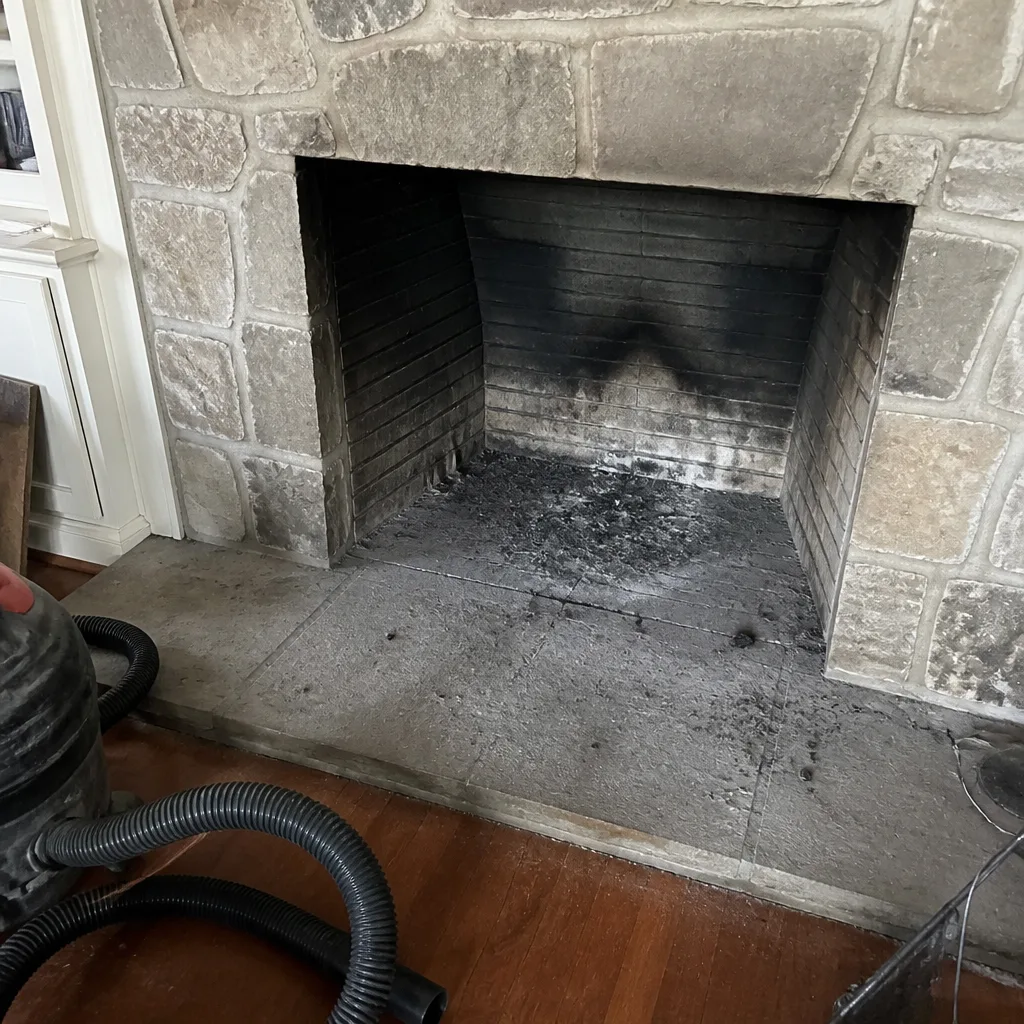 Before
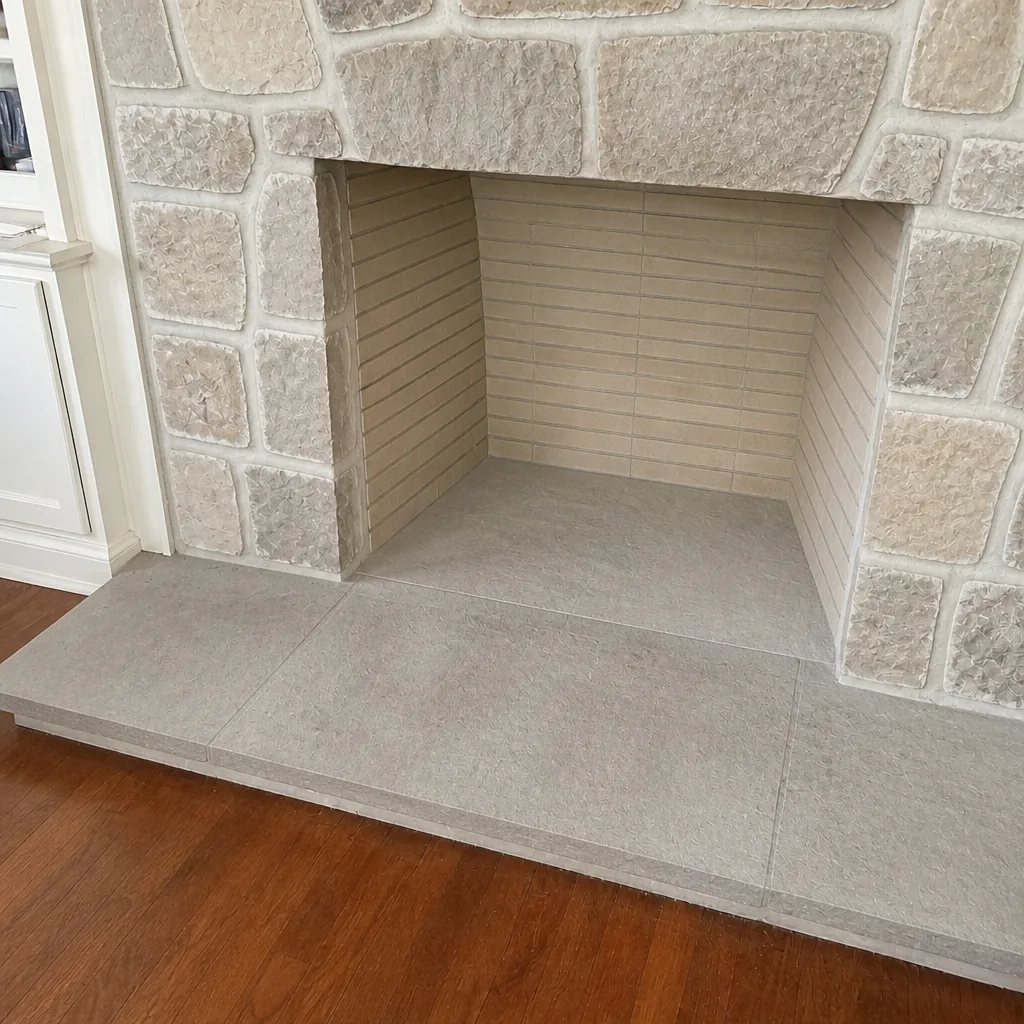 After
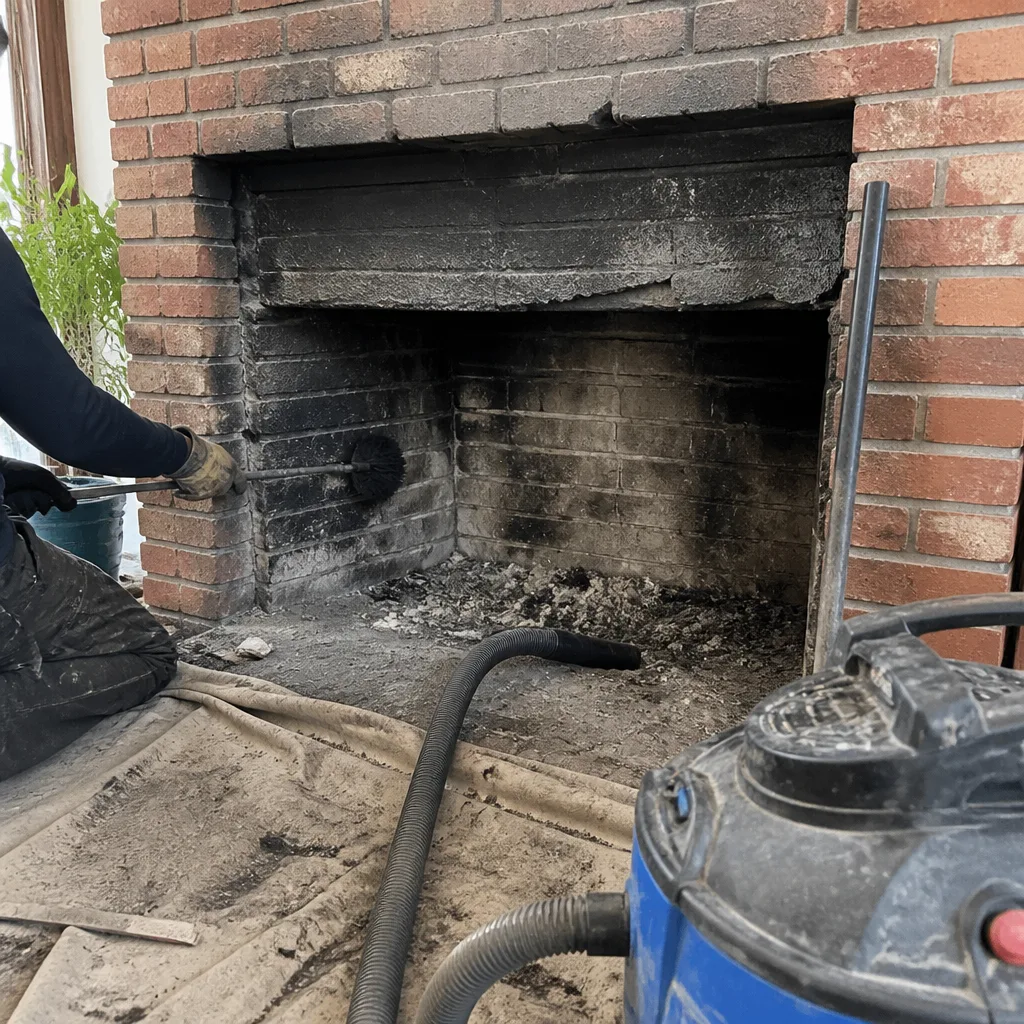 Before
 After
 Before
 After
When to Call a Professional
Call a professional after any chimney fire, whether the fire department confirmed it or you suspected it and got out. Call after any CO alarm activation, once the fire department has cleared the house. Call if you smell smoke in the room when the fireplace is burning, if the fire is hard to start or won’t draw, or if you see smoke backing into the room on a calm day. Call if you see a damaged cap, cracked masonry, or a loose crown from the ground. Call if you’ve moved into a house and don’t have a record of the last inspection. Call before the burn season if you haven’t had the flue swept this year.
Jasper Chimney Sweep offers free estimates in Winston-Salem. Call (866) 343-2983. We answer 24/7. Fast dispatch from 7am to 7pm, Sunday through Friday. We inspect, clean, and repair as one team, using professional-grade materials, so you have one record and one standard of work to rely on.
Frequently Asked Questions
The clearest signs are a low crackling or roaring sound from the flue, a hot, acrid smell, a chimney pipe or wall that’s unusually hot, and visible smoke, sparks, or flame at the top of the chimney from outside. A fire department check from the roof is the only reliable confirmation. After any suspected fire, a Level 2 inspection is the next step, and we document what we find in writing. Call (866) 343-2983 for an exact quote on a post-fire inspection.
Get everyone out of the house and call 911. Close the firebox glass doors if you can do it safely, leave the damper alone, and don’t add wood. Don’t try to manage it from inside the house. A chimney fire can spread into the roof structure, and a firefighter can confirm from the roof whether it’s out. Call (866) 343-2983 for the post-fire inspection and repair once the fire department clears the property.
A chimney fire has sound, smell, and visible signs at the chimney; a CO event has none of those and shows up as a CO alarm, headache, dizziness, nausea, or confusion. The response to CO is to get everyone to fresh air and call 911, then keep everyone out until the fire department clears the home. Both events share causes, so the fix is the same: a clean, inspected flue and a proper cap. Call (866) 343-2983 for an inspection if you have any doubt about the flue.
Yes. A Level 2 inspection is not optional after a fire if you want to use the fireplace again. It uses a camera to check the liner, flue, cap, crown, and connections for damage a visual check from the firebox can’t see. Our technicians have up to 9 years of experience inspecting fire-damaged flues, and we give you the written findings. Call (866) 343-2983 to schedule the inspection.
Put a CO detector on every level of the house, outside each sleeping area, and in the room where the fireplace is. Test every detector before the burn season and replace batteries on the same date each year. For a fireplace household, the detector near the fireplace room is the one that catches a blocked or cracked flue venting CO into the living space. Call (866) 343-2983 if you want the flue checked at the same time.
Yes. The outside of a chimney tells you very little about the inside of the flue. Creosote builds on the inside walls, and a chimney that looks fine from the yard can have heavy glazed creosote in the flue. The only way to know is a sweep and an inspection. Our team at chimney sweep service checks the flue, the cap, the crown, and the connections as one system. Call (866) 343-2983 for a free estimate.
The Bottom Line
Chimney emergencies in Winston-Salem follow predictable patterns, and the homes that handle them well are the ones that prepared before the season. A chimney fire is often quiet before it’s loud, and the response is to get out, call 911, leave the damper alone, and get a Level 2 inspection before the fireplace is used again. A CO event is the silent version of the same problem, and a working CO detector on every level is the only way to catch it early. A pre-season sweep and inspection removes the creosote that starts fires, a cap keeps animals and weather out, and a written inspection report gives you something to rely on. The prep work is small. The response plan is short. Both are worth doing before the first cold night in Winston-Salem.
Jasper Chimney Sweep handles inspection, cleaning, and repair as one team, using professional-grade materials. Call (866) 343-2983 for a free estimate. We answer 24/7. Fast dispatch from 7am to 7pm, Sunday through Friday.
Written by the team at Jasper Chimney Sweep.