
Last updated November 16, 2026
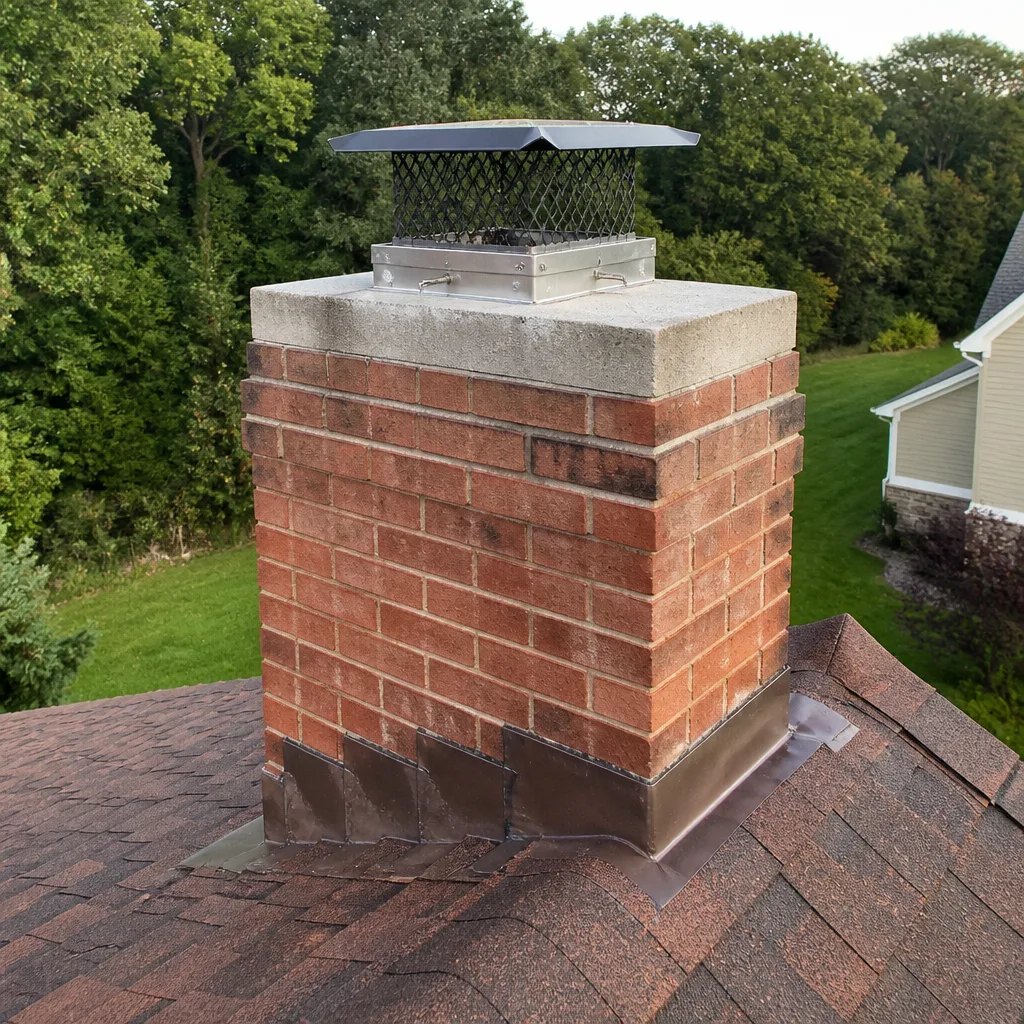 Sweep & inspection
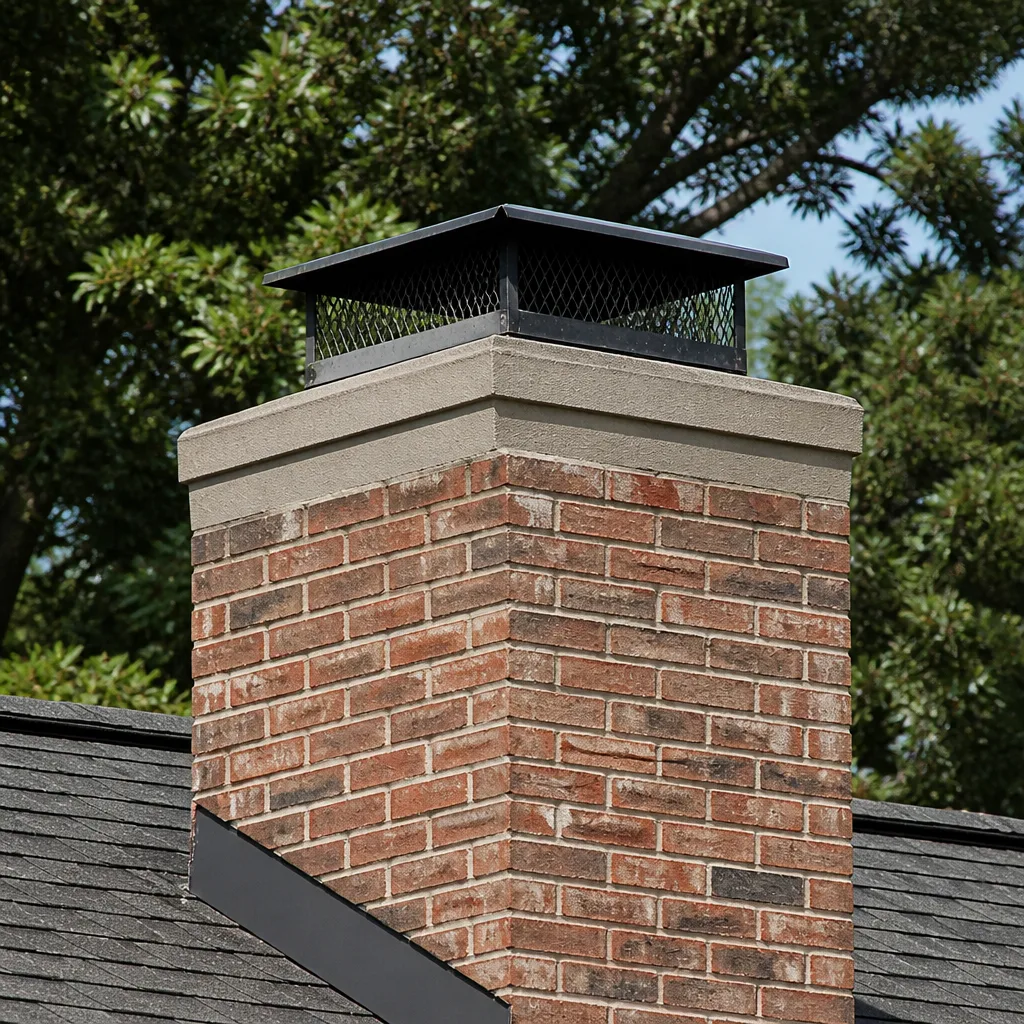 Caps & crowns
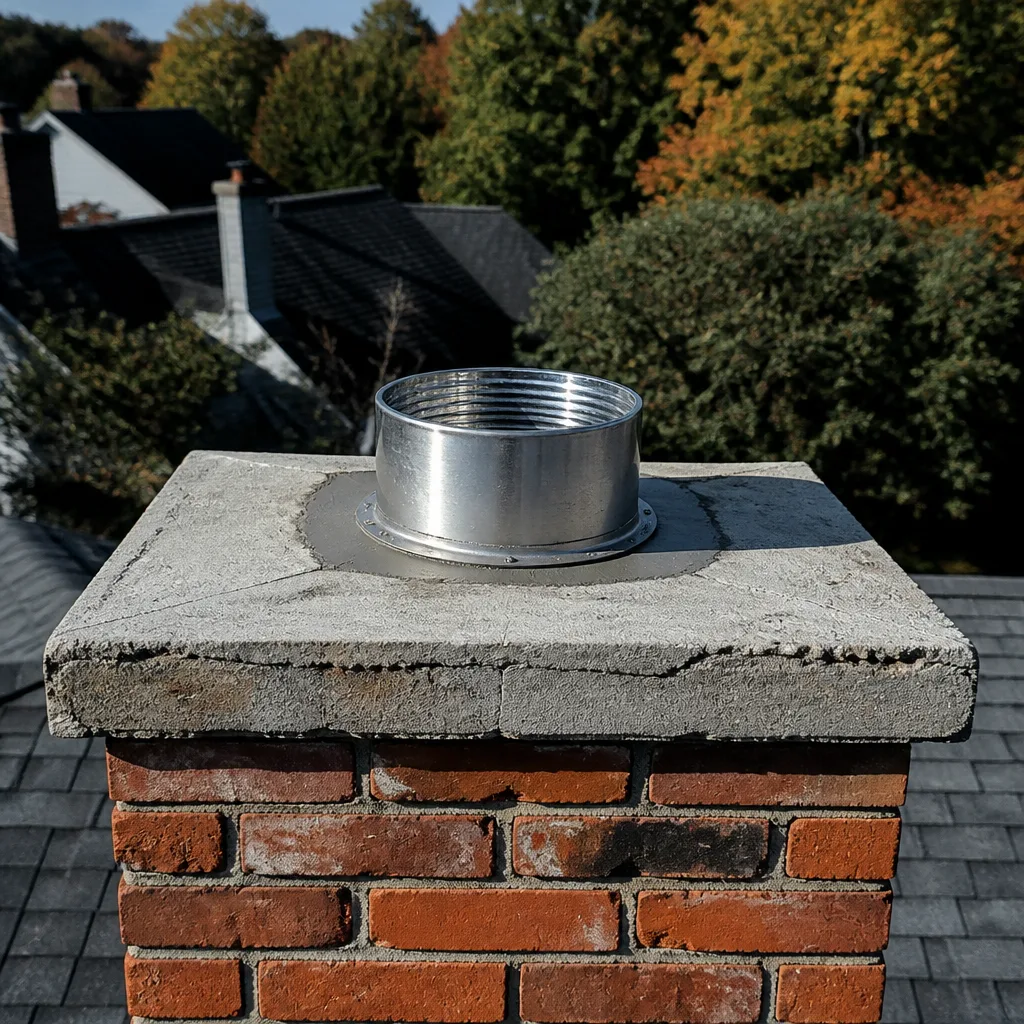 Flue relining
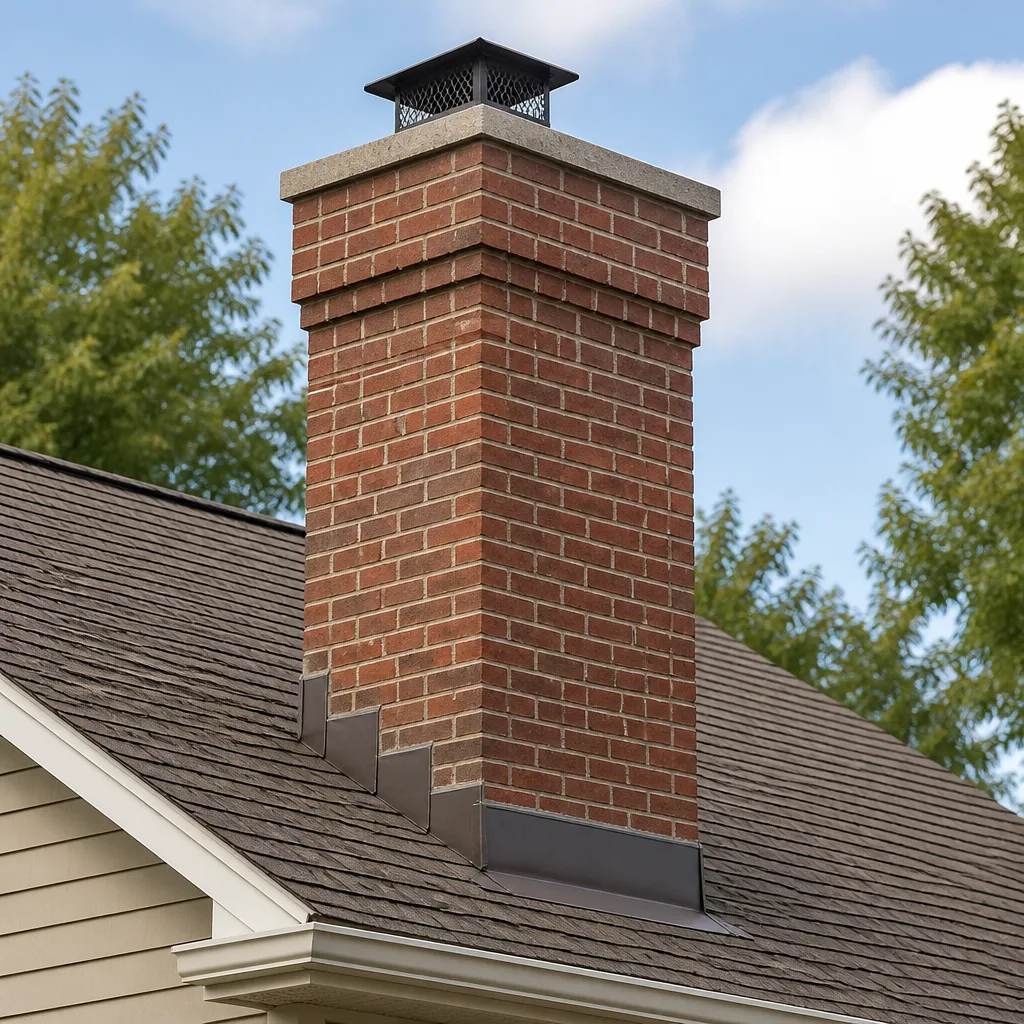 Masonry repair
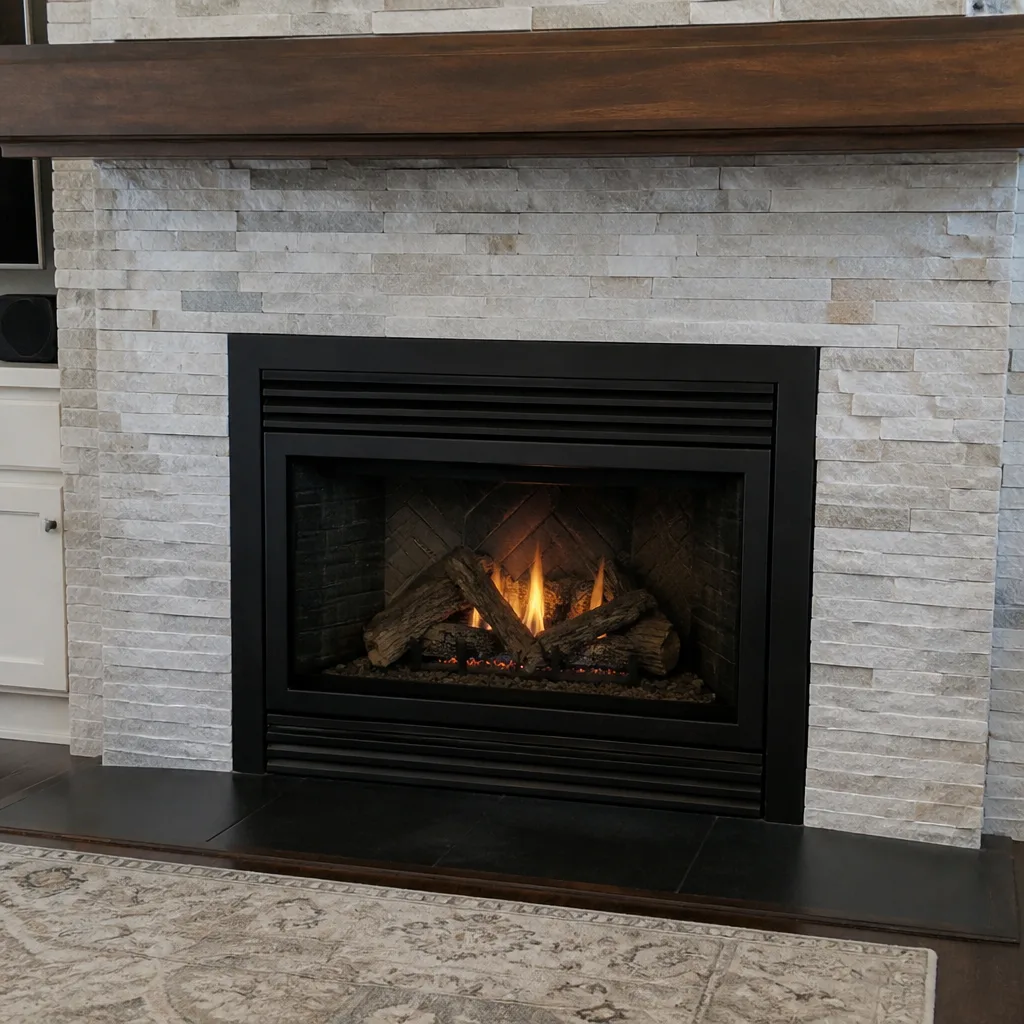 Gas fireplace service
Level 1 sweep and inspection to the NFPA 211 annual standard - flue, crown, cap, and flashing checked and photographed
Chimney sweep logs do not sweep chimneys. They loosen some creosote - which then falls where a brush and vacuum still have to collect it.
Seasonal Chimney Cleaning Care for Winston-Salem: Year-Round Homeowner’s Guide
Most homeowners in Winston-Salem think about their chimney exactly once a year, usually the first cold night in November when the fire won’t draw. That’s the wrong season to start. The truth is that summer does more quiet damage to a Winston-Salem chimney than winter ever does, because a closed-up flue in a hot, humid house traps moisture against mortar, metal and masonry for months before a fire is ever lit. Moisture is the slow mechanic behind most of the repairs we see. This guide walks through what our wet summers and cold heating seasons actually do to a chimney across all four seasons, and what to check, clean and fix at each stage so the system is ready before you need it.
Quick Answer
A Winston-Salem chimney needs attention in every season, not just fall. Late summer and early fall are the best time for a professional sweep and inspection before the heating season begins; winter care is about managing creosote and wood moisture mid-season; spring is the time to catch damage from a full burn season; and summer calls for keeping the top of the chimney sealed against humidity and storms. The single most useful habit is booking a sweep-and-inspection in late September rather than waiting until the first cold snap.
Styles & brands we work with
- Sweep & inspection
- Caps & crowns
- Flue relining
- Masonry repair
- Gas fireplace service
Table of Contents
- Why Summer Humidity Is the Real Threat
- The Fall Preparation Timeline
- What a Pre-Season Inspection Should Include
- Winter Use: Creosote and Wood Moisture
- The Spring Post-Season Checklist
- After the Storms: Crown, Cap and Flashing
- Treating Your Chimney as a System
Why Summer Humidity Is the Real Threat
Summer is the most damaging season for a Winston-Salem chimney, and it has nothing to do with heat. Our summers run hot and humid, and a chimney that sits unused for months becomes a moisture trap. Warm, damp air rises into a flue that isn’t getting any airflow from a fire, and whatever that air touches stays wet. On an uncapped chimney, rain adds to it directly, and the whole assembly spends the season slowly soaking.
Here’s what that moisture actually does, in plain terms:
- Spalling. Water soaks into brick and mortar, then expands and contracts with temperature swings. Over a season or two the surface of the brick flakes and breaks away, and the mortar joints crumble. Once spalling starts it doesn’t heal; it accelerates. On older Winston-Salem homes, especially in neighborhoods with original masonry chimneys, spring is when homeowners first notice brick dust on the roof or a loose brick at the crown.
- Efflorescence. That white, chalky powder on the outside of the chimney is salt pushed to the surface by water moving through the masonry. It’s a visual sign that moisture is migrating through the brick. Efflorescence alone isn’t failure, but it’s a signal worth reading. If you see it creeping along the chimney, the moisture source is active.
- Liner corrosion. A stainless steel liner left damp for months is vulnerable to pitting, particularly if creosote from the prior season was never cleaned out. Creosote is acidic, and combined with summer humidity it keeps working on the metal. Pitting weakens the liner wall and eventually creates a path for heat and gases to reach the surrounding structure.
- Animal nesting. An open, uncapped flue is a sheltered space, and birds and other animals find it before the first fire. A nest blocks the flue and creates a fire hazard of its own the first time you light up.
Every one of these is preventable, and most of them start at the top of the chimney. A proper cap keeps rain and animals out while still allowing the flue to breathe. If your chimney has been open all summer, that’s the first conversation to have with a chimney sweep before fall.
The Fall Preparation Timeline
Late September is a better time for your annual sweep than November, and the reason is practical. In October, our nights cool off but the days stay mild, which means the flue has time to dry out thoroughly after cleaning and before regular fires start. A sweep in late September also gives you room to address anything the inspection finds, whether that’s a cracked crown, a worn damper or a liner issue, without rushing the repair before the first cold week.
Here’s the order we recommend for a Winston-Salem fall:
- Book the sweep and inspection in late September or early October. This gives you a written picture of the chimney’s condition before the season starts.
- Have the flue cleaned of the previous season’s creosote. Even a light deposit is worth removing, because creosote attracts moisture during the off-season.
- Review the inspection report and prioritize repairs. Some fixes are safety items and need to happen before you burn. Others can wait until spring.
- Check the cap and crown. These are the two most common failure points, and both are cheap to address before they turn into bigger problems.
- Test the damper and confirm good draft. A damper that sticks or doesn’t close fully wastes heat and lets humidity in during the off-season.
- Order firewood early and let it dry. More on why this matters in the winter section below.
Waiting until November compresses all of it. You end up sweeping on a cold week, finding a repair that needs doing, and either burning anyway or going without a fire until it’s handled. A late September appointment in Winston-Salem gives you time to do it right.
What a Pre-Season Inspection Should Include
A pre-season inspection is more than a glance up the flue. Done properly, it covers the whole chimney assembly from firebox to crown, and it should give you a written understanding of what’s in good shape and what isn’t. Here’s what we check when we inspect a Winston-Salem chimney before heating season:
- The firebox and smoke chamber. Cracks in the firebox brick, gaps in the mortar, and rough spots in the smoke chamber all affect how the chimney performs and how safe it is.
- The flue and liner. Creosote level, obstructions, signs of corrosion or pitting in a stainless liner, and any gaps in the flue tile joints on a masonry chimney.
- The damper. Whether it opens and closes fully and seals when closed, which matters for summer humidity control as much as for winter heat.
- The crown. Cracks, spalling or separation from the flue are common on older Winston-Salem roofs after a summer of heat and moisture cycling.
- The flashing. The seal where the chimney meets the roof is one of the most common places for water to get in, and it’s easily missed.
- The cap. Whether it’s intact and sized correctly, or missing, rusted or displaced.
- The exterior masonry. Efflorescence, spalling, leaning or loose brick, and the condition of the mortar joints.
We pair every sweep with a full-system inspection so you get a written understanding of the chimney’s condition, not just a cleaning receipt. If a repair isn’t urgent, we say so plainly, and if it can wait until spring, that’s useful information too.
Winter Use: Creosote and Wood Moisture
Once the heating season starts, the two things that determine how fast creosote builds up are burn frequency and the moisture content of your wood. A hot, efficient fire with dry wood produces less creosote than a smoldering fire with wet wood, even over the same number of hours. Winston-Salem winters aren’t the coldest in the country, but they’re cold enough for real heating seasons, and a chimney that burns steadily from November through February can accumulate meaningful creosote inside a few months.
Here’s what to keep an eye on mid-season:
- Wood moisture. Firewood should be dry and seasoned before it goes in the firebox. Wet wood burns cooler, smolders more, and produces more creosote. Stack firewood off the ground, covered on top but open at the sides, and give it months to dry before you burn it.
- Smoke and draft. A smoky fire, or smoke rolling back into the room, can mean poor draft, a partial obstruction or a cold flue. Don’t ignore it.
- Creosote buildup signs. A heavy, shiny, tar-like deposit inside the flue is a sign creosote has built up quickly. If the fire seems to draw poorly or you notice a strong creosote smell, stop burning and get it looked at.
- Burn intensity. Long, slow, smoldering fires produce more creosote than shorter, hotter burns. That’s worth knowing if you like an overnight fire.
If your burn season runs long, a mid-season check makes sense, especially if you’re burning a lot of wood. A quick inspection in January or February can catch a creosote problem before it becomes a fire hazard. When your chimney needs chimney repair mid-season, address it promptly rather than burning through it for the rest of the winter.
The Spring Post-Season Checklist
Spring is when a full heating season’s worth of wear shows up. It’s also the ideal time to catch problems before they spend the summer getting worse. Before you close the damper for the season, walk through this list:
- Book a post-season sweep. Removing creosote in spring keeps acidic deposits from sitting against the liner and mortar through the humid summer.
- Inspect the liner and flue. Look for corrosion, pitting, cracks or gaps that developed over the burn season.
- Check the exterior masonry. Efflorescence, spalling and any new cracks in the brick or mortar joints are worth noting in spring, because summer humidity will accelerate them.
- Examine the crown and flashing. Small cracks get bigger over a wet summer. Spring is when to seal or repair them.
- Confirm the cap is in place. A cap keeps rain, birds and animals out all summer. If yours is missing or loose, replace it before the wet season.
- Close the damper fully. A closed damper slows the flow of humid summer air up into the cool flue.
- Note anything that needs addressing in fall. Not everything has to happen now. Some repairs are easier and cheaper to do in spring before the fall rush.
The main point of the spring checklist is to leave your chimney dry and sealed going into summer. It doesn’t have to be perfect, but it shouldn’t be leaking, open or full of creosote.
After the Storms: Crown, Cap and Flashing
Summer storms in Winston-Salem come with wind and heavy rain, and they tend to expose weak points at the top of the chimney. Three issues show up again and again from late summer into fall:
- Winds can dislodge a loose cap. A cap that isn’t well-secured can be shifted or blown off, which leaves the flue open to rain and animals for the rest of the season.
- Crown cracking. The crown is the concrete or mortar surface at the top of the chimney that sheds water. After a hot summer of expansion and contraction, cracks open up, and water gets into the masonry below. A cracked crown is one of the most common reasons for a chimney to have persistent moisture problems.
- Flashing failure. The metal flashing that seals the chimney to the roofline is exposed to weather year-round. Storm-driven rain finds the weak spots, and the result is often a leak inside the house that gets blamed on the roof before anyone checks the flashing.
When you see a new stain on the ceiling or a drip near the firebox after a storm, the chimney flashing is one of the first places to check. A cap replacement with a durable product like Famco is a straightforward fix, and we use Gelco caps and dampers built for longevity rather than cheap replacements that need re-servicing in a couple of years. Better to address a cracked crown, a loose cap or failed flashing in the fall than to let water sit in the masonry through another winter.
Treating Your Chimney as a System
Most chimney problems don’t come from one failed part. They come from treating the chimney as a collection of separate features instead of a single system. The crown, the cap, the flashing, the flue, the liner, the damper and the firebox all affect each other. A cracked crown lets water into the masonry, which damages the flue, which weakens the liner, which affects how the fire burns. Fix one piece in isolation and the next failure is already in motion.
That’s why we handle the full loop in-house: inspection, cleaning and repair by the same team. We use professional-grade materials that certified chimney technicians specify, including DuraFlex flexible liner systems for relining jobs that need a precise fit, HeatShield ceramic sealant for liner repair, and Olympia Chimney and Copperfield components where they’re the right fit for the job. HeatShield is a specialized process that most generalist services don’t carry or know how to apply, and it lets us repair a damaged flue rather than defaulting to a full reline. The same team that inspects is the same team that sweeps and repairs, so nothing gets lost between contractors.
If you live in one of the older neighborhoods in Winston-Salem with original masonry chimneys, system-level thinking matters even more. Older chimneys have had decades of weather cycling, and small issues compound faster than they do on newer construction. We treat the chimney as a whole picture, not just a dirty flue.
Common Mistakes to Avoid
- Skipping the off-season entirely. Many Winston-Salem homeowners only think about the chimney in winter, which means the humid summer months go unwatched. Moisture damage happens quietly and is always more expensive by spring.
- Burning wet or unseasoned wood. Wet wood burns cooler and smolders more, and that’s what builds creosote quickly. Season your firewood and keep it dry, covered on top and open at the sides.
- Leaving the flue uncapped. An open flue invites rain, birds and animals all summer. A cap is one of the least expensive ways to protect the whole system.
- Waiting until November to sweep. Late September gives the flue time to dry and gives you time to handle anything the inspection finds. November is a rush, and it’s the wrong time to find out you need a repair.
- Ignoring efflorescence and spalling. That white powder and flaking brick aren’t cosmetic. They’re the visible surface of active moisture movement through the masonry.
- Assuming the roof is leaking when it’s the flashing. Water stains near the firebox after a storm are often a flashing or crown issue, not a roof issue. Check the chimney side of the equation before replacing shingles.
- Letting a generalist handle chimney work. Chimneys are their own trade. A handyman who can’t read a liner’s condition, spot a crack in the smoke chamber or apply HeatShield properly often does more harm than good.
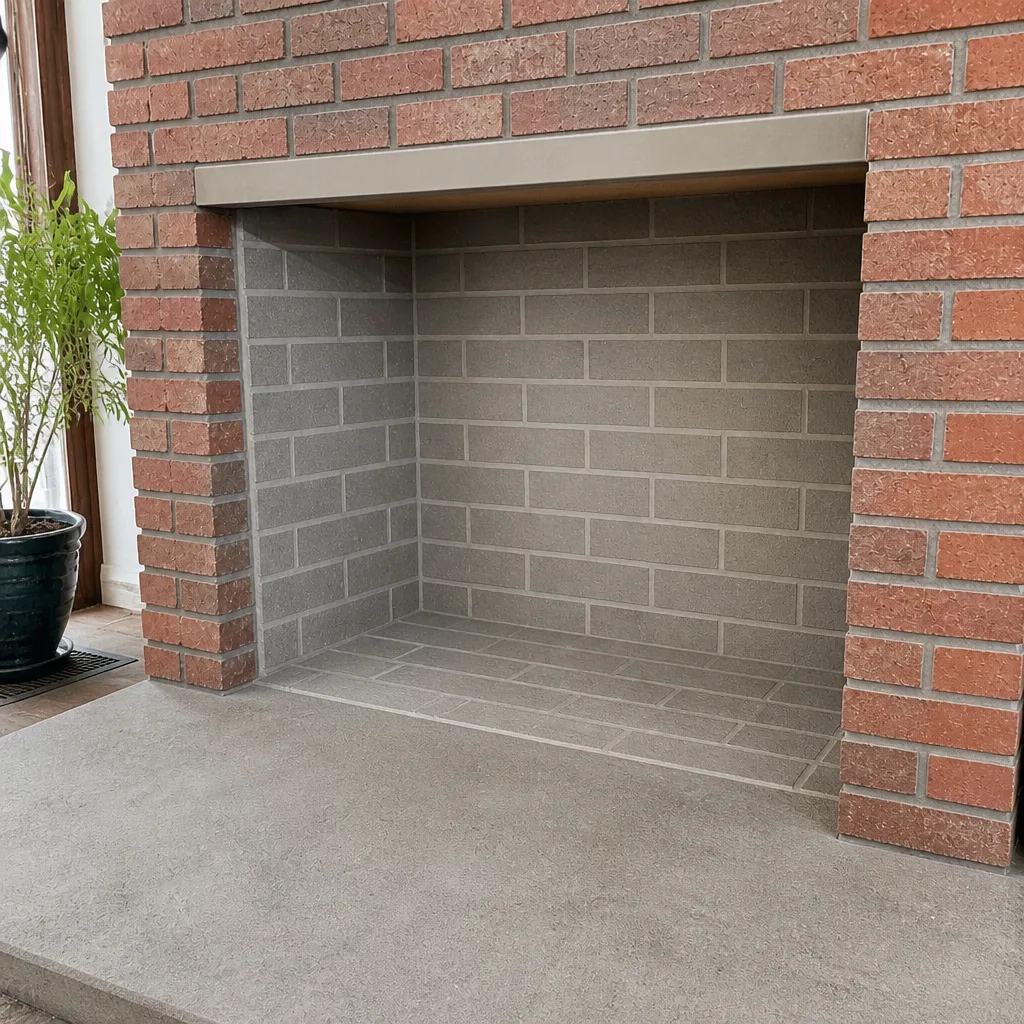
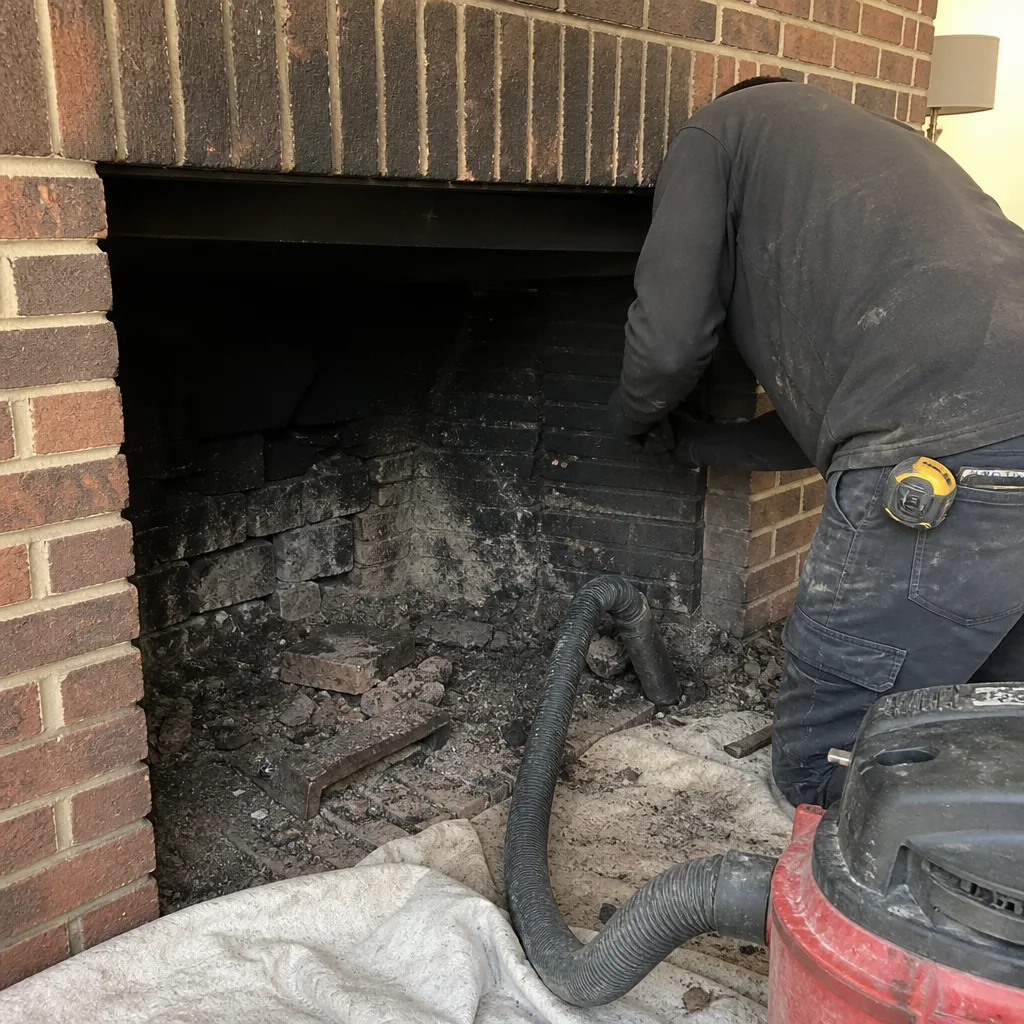
See the difference
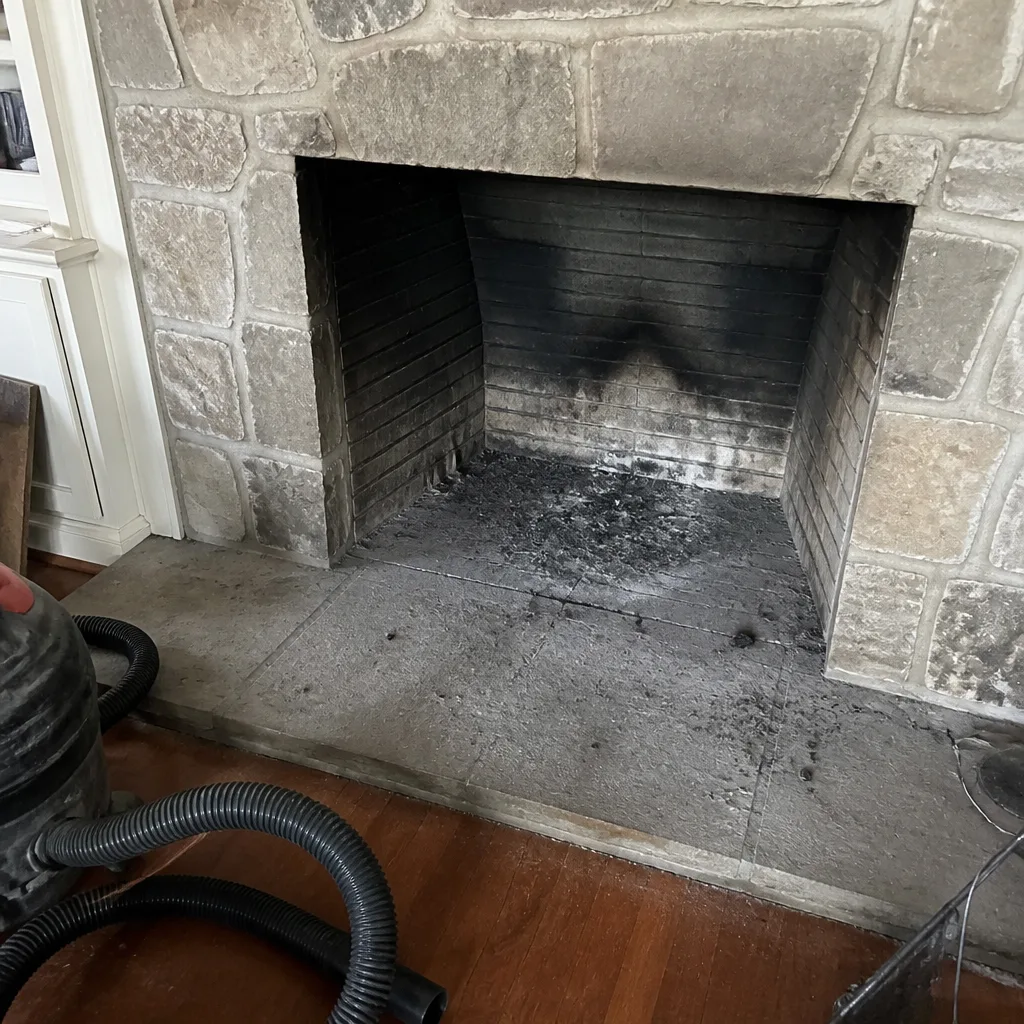 Before
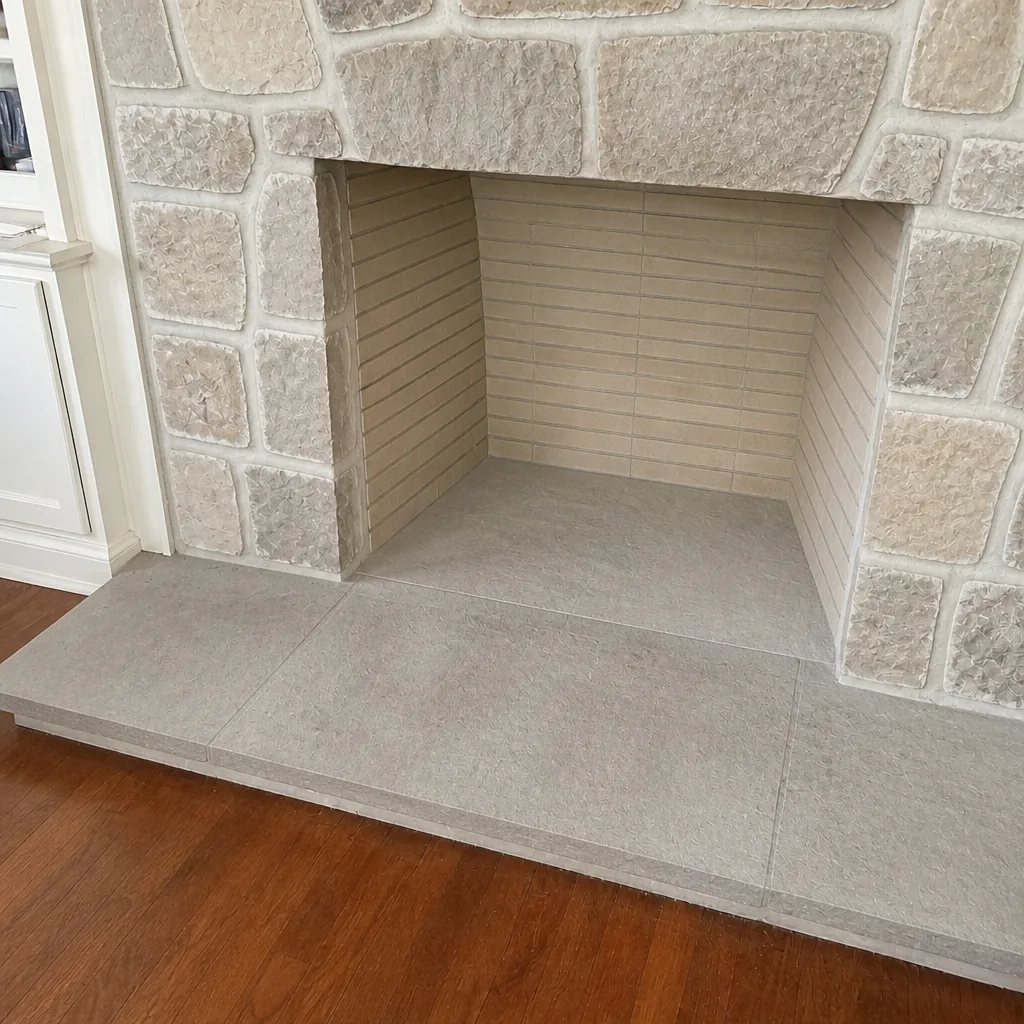 After
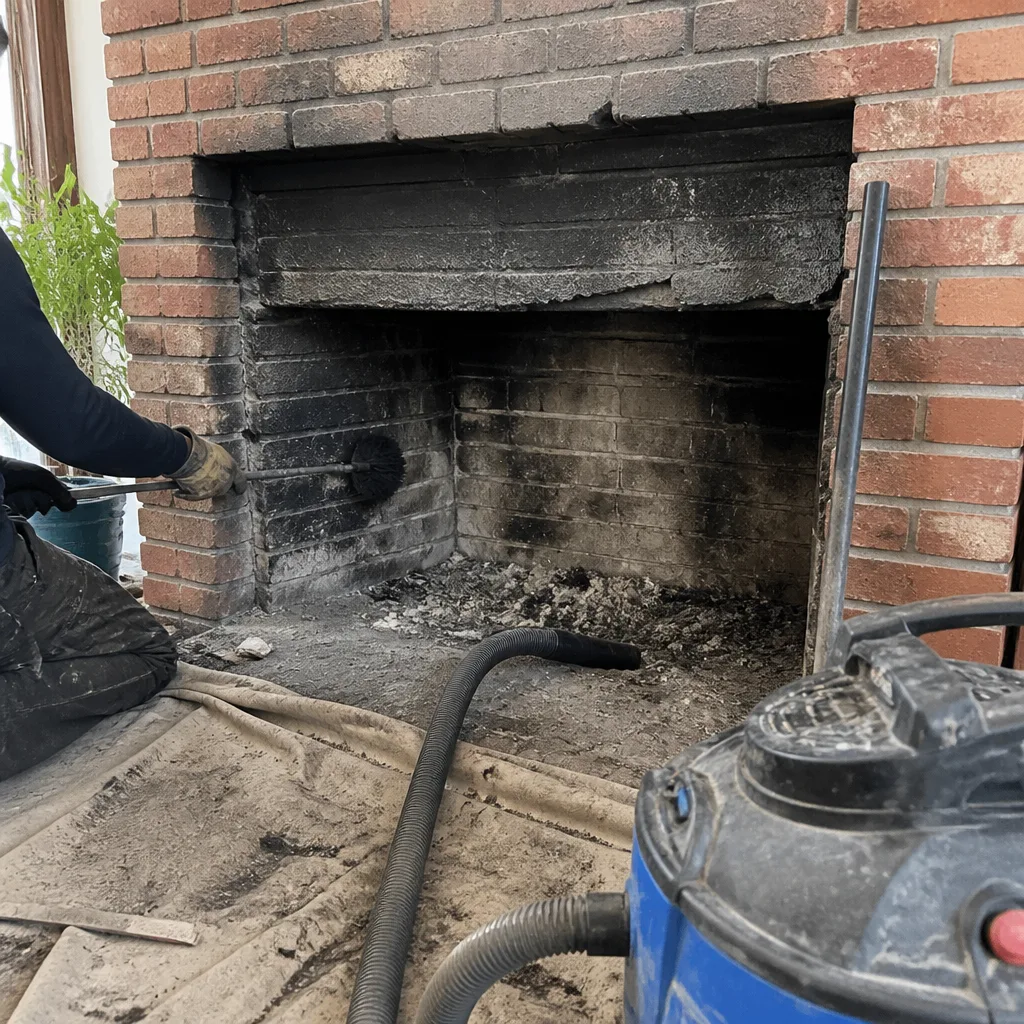 Before
 After
 Before
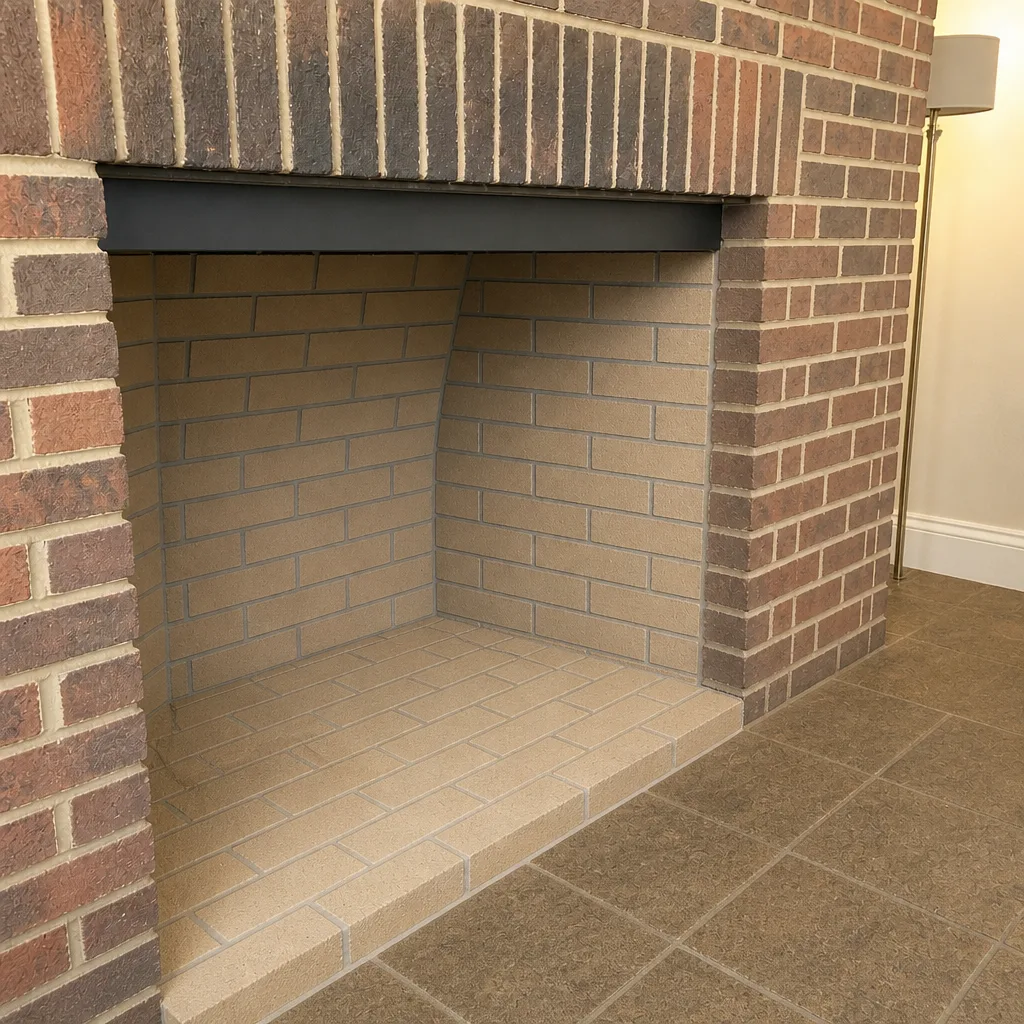 After
When to Call a Professional
Some chimney work is routine, and some should always involve a trained technician. Call a professional if you notice smoke rolling back into the room, a strong creosote smell, visible damage to the cap or crown, a stain or drip near the firebox after a storm, or any sign of spalling or efflorescence on the exterior masonry. Call before lighting the first fire of the season if the chimney hasn’t been swept, and call immediately if creosote has built up heavily or the liner shows signs of corrosion. Springs storms and a long humid summer mean the fall inspection is the ideal time to catch problems early. Jasper Chimney Sweep offers free estimates in Winston-Salem – call (866) 343-2983.
Frequently Asked Questions
Once a year is the standard for most homes, and for a regularly used wood-burning fireplace, an annual sweep before heating season is the right baseline. If you burn heavily or notice a lot of creosote buildup, a mid-season check may make sense. Call (866) 343-2983 for an exact quote – estimates are free.
Yes, it often is, because humidity and trapped moisture do more cumulative damage to mortar, brick and a stainless liner than a heating season does. An open, uncapped flue in a humid Winston-Salem summer is a moisture trap. A late-summer inspection is the best way to catch that damage.
A cap is one of the simplest and most effective protections you can add, because it keeps rain, birds and animals out while letting the flue breathe. If your chimney has been open all summer, that’s a good reason to have it inspected before fall. Call (866) 343-2983 for an exact quote – estimates are free.
That’s efflorescence, a sign that water is moving through the masonry. It doesn’t always mean failure, but it’s worth reading as an active moisture signal, and the source should be found. A pre-season inspection can tell you where the water is getting in.
Late September or early October is the best window, because the flue has time to dry after cleaning and you have room to handle anything the inspection finds before the first cold week. Waiting until November compresses the work and can leave you without a fire when you need one.
Some can and some can’t, and it depends on whether the issue is a safety item or a moisture item. A crack in the crown or flashing is worth addressing before a wet summer; a safety concern should be handled right away. A professional inspection tells you which is which.
The Bottom Line
A Winston-Salem chimney lives through four distinct seasons, and each one stresses it in a different way. Summer humidity silently damages mortar, brick and liners through moisture, spalling and efflorescence. Fall is when the chimney should be swept, inspected and prepared, with late September better than November. Winter is about controlling creosote through good wood and good burn habits. Spring is the time to review the season’s wear and close up the system before summer returns. Handle all four and a chimney lasts longer, burns safer and costs less to keep up. Jasper Chimney Sweep handles sweeping, inspection and repair in-house with professional-grade materials, so one team owns the whole picture. Call (866) 343-2983 to book a sweep and inspection in Winston-Salem. We answer 24/7. Fast dispatch from 7am to 7pm, Sunday through Friday.
Written by the team at Jasper Chimney Sweep.