
Last updated November 16, 2026
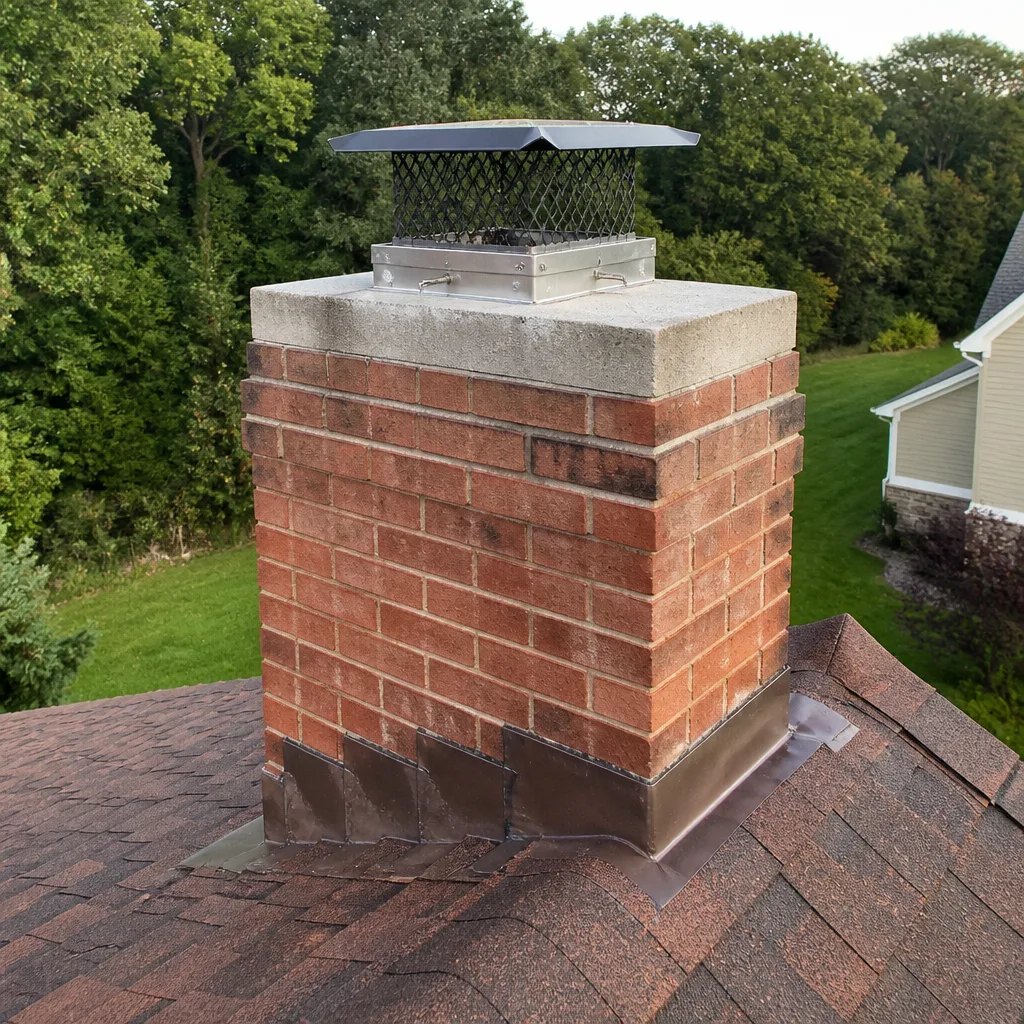 Sweep & inspection
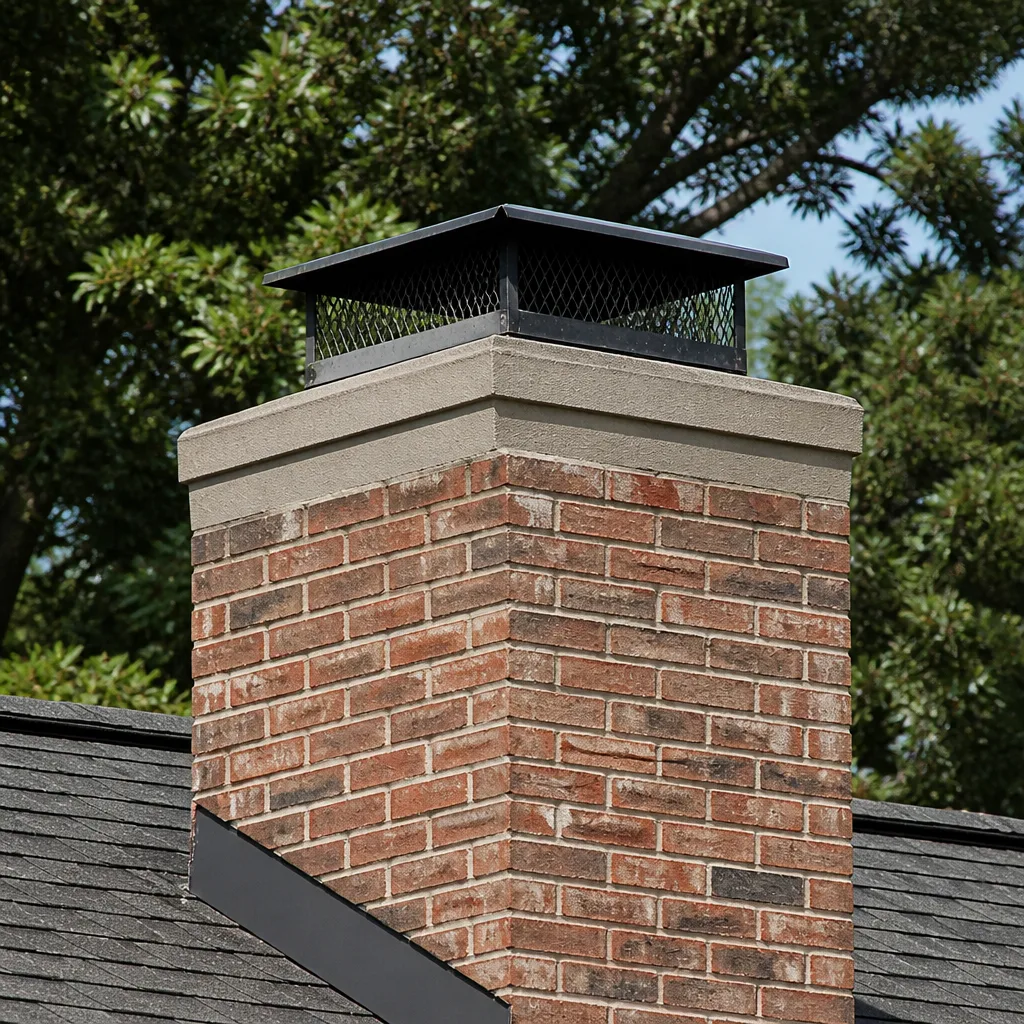 Caps & crowns
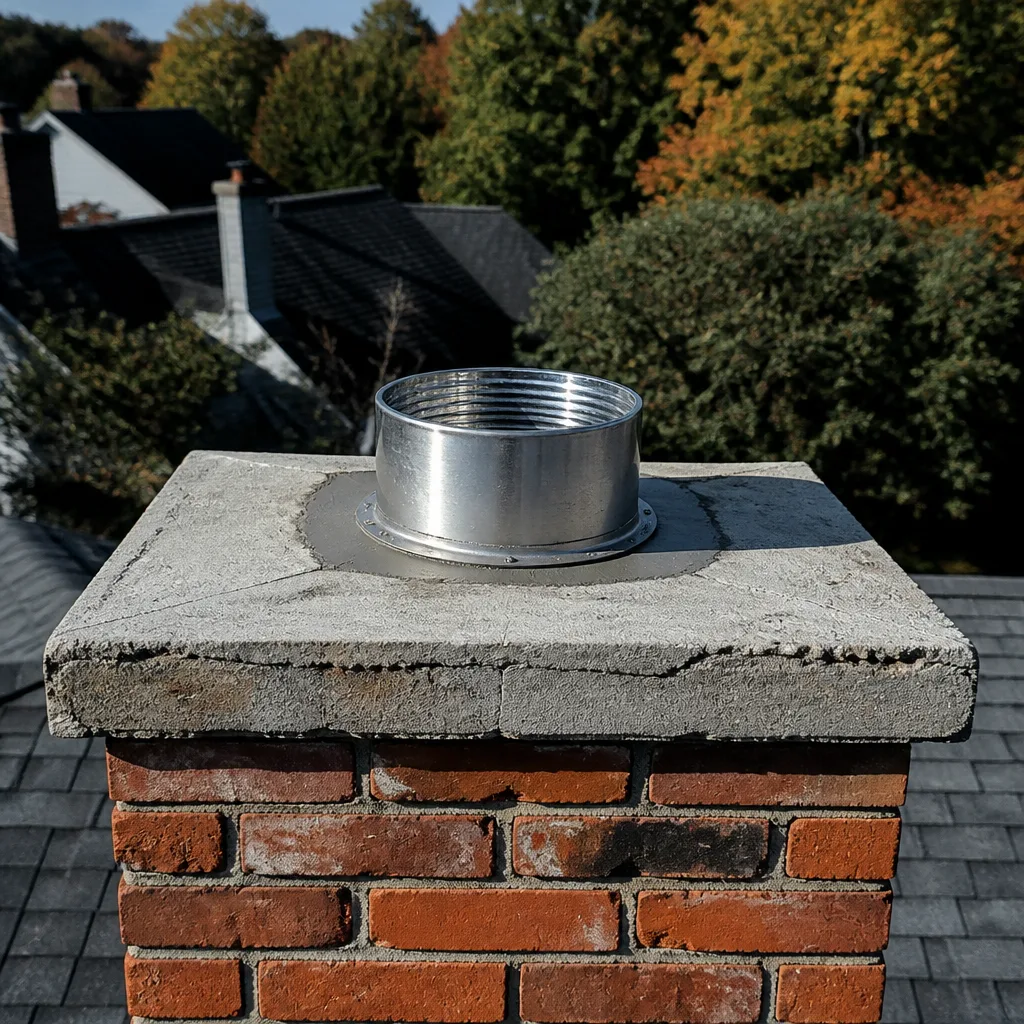 Flue relining
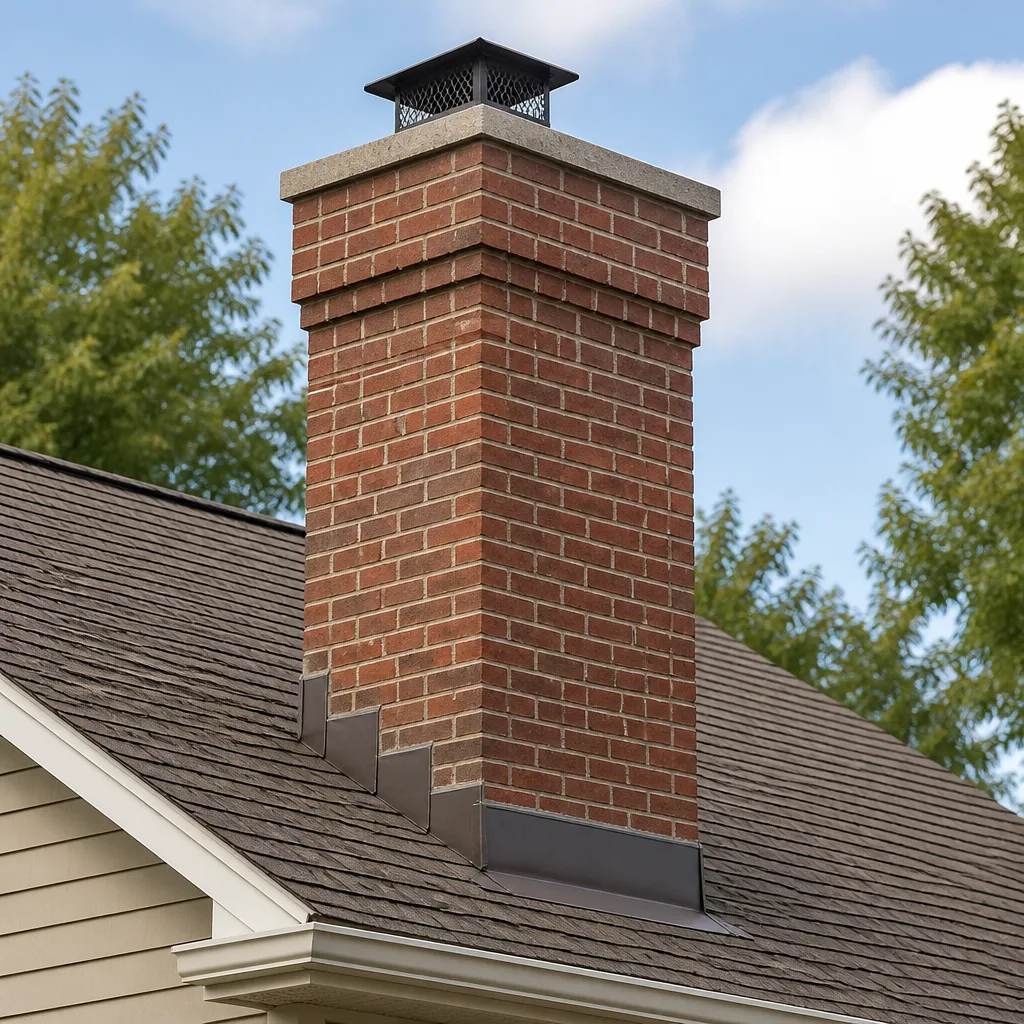 Masonry repair
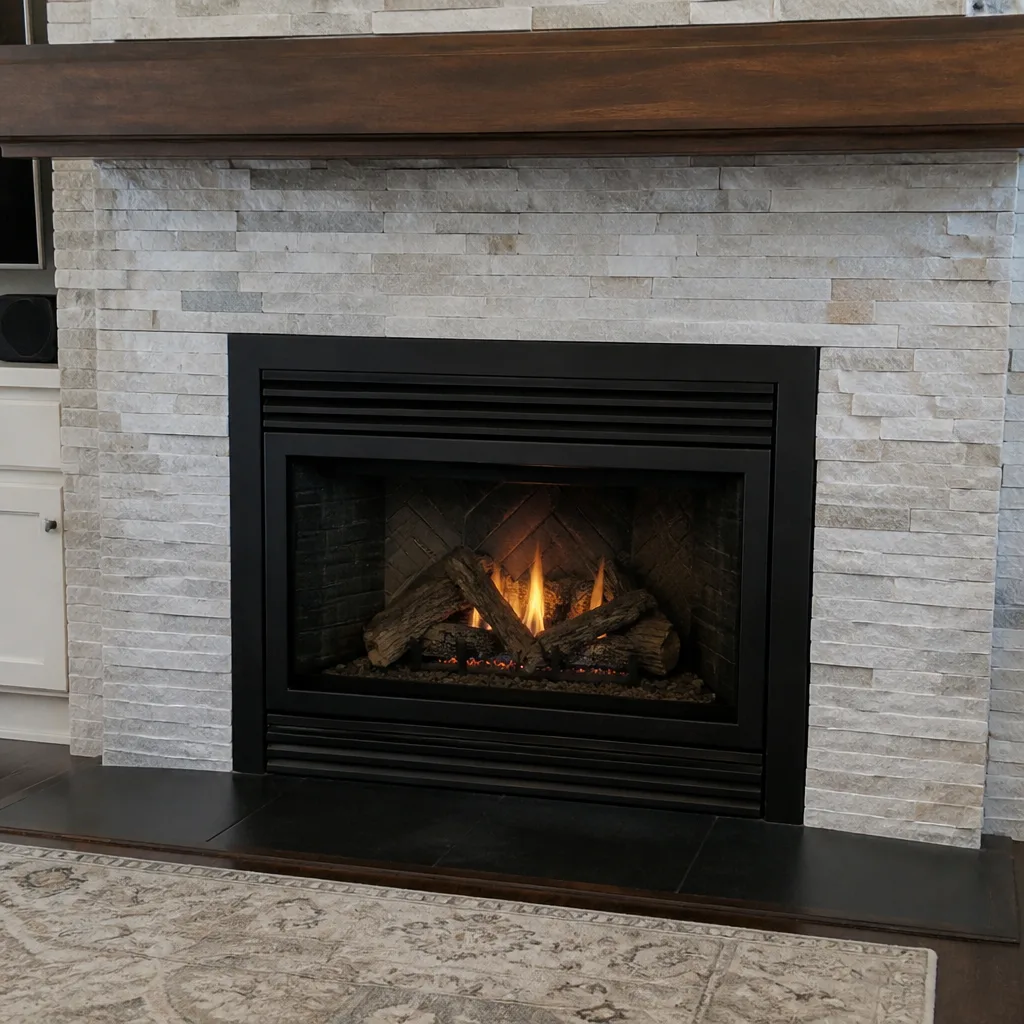 Gas fireplace service
Level 1 sweep and inspection to the NFPA 211 annual standard - flue, crown, cap, and flashing checked and photographed
Chimney sweep logs do not sweep chimneys. They loosen some creosote - which then falls where a brush and vacuum still have to collect it.
DIY vs Professional Chimney Cleaning: The Winston-Salem Homeowner’s Decision Guide
Here’s the part most chimney articles skip: a homeowner with a brush, a shop vacuum, and an afternoon really can knock loose soot and light creosote off the walls of a straight, accessible flue. The brush isn’t magic and it isn’t dangerous in the right conditions. But brushing a flue is the easy half of chimney care, and it’s the half that almost never reveals what’s actually going wrong. What you can’t see from the firebox is the liner surface higher up, the smoke chamber above the damper, the crown, and the point where the flue connects near the top. That’s where most real problems live, and that’s the gap this guide is about. We’ll walk through what DIY cleaning genuinely accomplishes, what it leaves untouched, and how Winston-Salem homeowners can make a clear-eyed call between doing it themselves and hiring a professional.
Styles & brands we work with
- Sweep & inspection
- Caps & crowns
- Flue relining
- Masonry repair
- Gas fireplace service
Quick Answer
DIY chimney brushing can remove loose soot and Stage 1 creosote from an accessible flue, and it’s a reasonable interim step for a lightly used fireplace in good condition. It cannot remove glazed Stage 2 or 3 creosote, inspect the liner, or evaluate the smoke chamber, and it gives you no diagnostic information about the system. For most Winston-Salem homes that burn regularly, a professional sweep and inspection is the safer and more informative choice, and a brush alone won’t tell you what the chimney actually needs.
Table of Contents
- What DIY Chimney Brushing Actually Removes
- What DIY Leaves Untouched
- The Equipment Gap That Changes the Picture
- When DIY Is a Reasonable Interim Measure
- When DIY Creates a False Sense of Security
- What Can Go Wrong With DIY That Isn’t About Skill
- How to Use a Professional Sweep Report
- Wood, Moisture, and the Piedmont Climate
- Common Mistakes to Avoid
- When to Call a Professional
- Frequently Asked Questions
- The Bottom Line
What DIY Chimney Brushing Actually Removes
A chimney brush is a scraping tool. It works by contact, and it only reaches what it can physically touch. On a straight flue with a smooth liner, a properly sized brush on a flexible rod can knock down soot deposits and the soft, flaky creosote that forms during the first stage of a fire’s cooling. That’s real work, and it does reduce the fuel load sitting on the liner walls for a while.
What that means in practice for a Winston-Salem homeowner:
- Soot and ash: Loose deposits come off the walls and drop into the firebox, where they can be vacuumed out, assuming the vacuum is rated for fine ash and doesn’t just blow it back into the room.
- Stage 1 creosote: The thin, dusty, flaky layer that forms on cooler flue surfaces will yield to brushing. It’s the most common deposit type and the least dangerous.
- Surface dusting on an accessible straight run: A masonry flue or a factory-built liner that runs straight up is the easiest case. Brush length and head size have to match the flue, or you’ll either miss the walls or jam the brush.
It’s worth being precise about what “clean” means here. A brushed flue looks better and has less fuel on the walls, but brushing doesn’t change the shape or condition of the flue, and it doesn’t tell you anything about how the system is drafting or where heat is escaping. Those are the questions a Winston-Salem homeowner usually needs answered before burning season, and a brush can’t answer them.
What DIY Leaves Untouched
The most important parts of a chimney are the ones you can’t reach with a brush from below. This is the core of the DIY-versus-professional decision, and it’s where the two options genuinely diverge.
- The smoke chamber. Above the damper and below the flue, the smoke chamber is corbelled masonry that funnels smoke upward. It’s sloped, irregular, and hard to reach. Creosote and soot accumulate on those corbels, and brushing the flue above does nothing to them. This is one of the most overlooked problem areas in a masonry chimney.
- The liner surface. A brush can feel the liner, but it can’t see it. Cracks, gaps at seams, spalling, and heat damage are visual problems. Without a camera scan, you’re brushing a surface whose condition you don’t actually know.
- The flue connection at the top. Where the flue meets the crown and the cap, gaps and deteriorated mortar allow water in and smoke out in the wrong places. You can’t evaluate that from the firebox.
- Creosote type. Stage 2 creosote is a sticky, tar-like deposit that clings to the liner and resists brushing. Stage 3 is glazed and hardened, often needing chemical treatment or mechanical removal by a trained technician. A brush alone won’t clear either, and a homeowner may not know which stage they’re looking at without a professional eye.
- Draft and flow. Whether the chimney pulls properly, whether the flue is correctly sized for the appliance, and whether there’s a blockage from a nest or a failed damper are all diagnostic questions that brushing can’t answer.
None of this is meant to make DIY sound impossible. It’s meant to make the limits clear, because the limits are where the actual risk lives.
The Equipment Gap That Changes the Picture
A homeowner’s toolkit for chimney cleaning is a brush, a rod set, a drop cloth, and a vacuum. A professional sweep brings a different set of tools, and each one exists because it answers a question the brush can’t. The equipment isn’t just bigger, it’s diagnostic.
- Camera scan: A video camera run down the flue lets a technician actually see the liner, the smoke chamber, and the flue connection. Cracks, gaps, and glazed creosote become visible instead of guessed at. This is the single biggest gap between DIY and professional.
- Industrial vacuum: A HEPA-rated, high-capacity vacuum keeps fine soot out of the living space and lets the technician work cleanly. A shop vacuum rated for wood dust often isn’t rated for the fine particulate a chimney produces, and the result is soot settling across the room.
- Creosote testing: A technician can identify the stage of creosote by sight and by probing, which determines whether standard brushing will work or whether chemical treatment or mechanical removal is required. That distinction changes the whole job.
- Smoke draft measurement: Measuring draft tells the technician whether the chimney is venting correctly and whether the flue is appropriately sized for the appliance. A chimney that looks clean but drafts poorly is still a problem.
- Access and safety equipment: Roof access, ladders, harnesses, and the training to use them safely on a Winston-Salem roof in wet or cold conditions. Most chimney problems that get missed are the ones at the top.
Our technicians have up to 9 years of experience, and in our experience the equipment gap is what separates a cleaning from a genuine assessment. When we sweep a Winston-Salem home, the camera scan and the draft check are part of the job, not an add-on. Knowing exactly what your chimney needs before any work begins is the whole point. If your inspection turns up a liner problem, we handle it with professional-grade materials: chimney repair work that uses DuraFlex flexible liners for precision fits and HeatShield ceramic sealant for liner repair, the same materials certified chimney technicians specify nationwide.
When DIY Is a Reasonable Interim Measure
There are honest scenarios where brushing your own flue makes sense as a stopgap, and we’d rather a homeowner know them than guess. DIY is reasonable when the chimney is in known-good condition and the goal is light maintenance, not assessment.
- You’ve had a professional inspection within the last year and it came back clean, with no liner or smoke chamber issues noted. You know the system’s baseline, so a brush between visits is just keeping it tidy.
- You burn lightly, a handful of fires a season, and the flue is a straight, accessible masonry run. Light use means light deposits, and light deposits respond to brushing.
- You can see the flue is only lightly soiled from the firebox and through the damper. If you can see soot flaking off in moderate amounts and nothing looks glazed or tar-like, you’re dealing with Stage 1.
- You’re prepping for a professional sweep and want to knock down loose ash first. Brushing before a sweep doesn’t hurt anything, though a professional sweep will redo the brushing anyway.
- You’re between scheduled visits and want to keep deposits from building up. This is maintenance, not diagnosis, and it shouldn’t replace the yearly professional look.
Even in these cases, the value of DIY is limited to what it removes. It doesn’t substitute for the annual scan, and it doesn’t tell you the chimney is safe to burn. If any of the reasonable-DIY conditions above change, for example you start burning more often or notice a strange smell or draft, the calculation shifts.
When DIY Creates a False Sense of Security
The real risk with DIY isn’t the brushing itself. It’s the confidence the brushing creates. A homeowner who brushes their flue and sees a clean-looking firebox often assumes the chimney is in good shape, and that assumption can be wrong in ways that matter.
Here’s where DIY turns into a false sense of security:
- Glazed creosote is present. Stage 2 and 3 creosote looks like a shiny, tar-like coating on the liner. It resists brushing and keeps building. If you don’t know to look for it, you brush around it and assume the flue is clean when it’s actually carrying a heavy fuel load.
- The liner is cracked or damaged. A brush glides past a cracked liner without a sound. Without a camera, the heat damage or a gap at a seam stays invisible until it becomes a problem. This is one of the most common findings we see on a professional sweep in older Winston-Salem homes.
- The smoke chamber has deteriorated. Corroded or missing mortar in the smoke chamber is invisible from the firebox and untouched by a brush. It’s also a place creosote collects and a place heat can reach the structure.
- A blockage is present. Nests, a failed damper, or a fallen piece of masonry can restrict the flue. Brushing won’t clear a blockage it can’t reach, and a restricted flue is a real hazard.
- You’re burning before the flue is ready. The seasonal pressure to get the fireplace going before the first cold snap in the Piedmont leads people to brush and light up. If the brush missed something, the first fire is when you find out.
That last point matters in Winston-Salem more than a lot of people realize. Fall comes on fast here, and the first genuinely cold evening often arrives before anyone has scheduled an inspection. A brush and a fire the same night is how hidden problems get tested the hard way.
What Can Go Wrong With DIY That Isn’t About Skill
Plenty of chimney problems aren’t a matter of doing the brushing wrong. They’re a matter of the brushing being the wrong tool for what’s actually in the flue. A skilled DIYer can brush a flue correctly and still leave the chimney in a worse diagnostic state than they found it, because brushing moves material without telling you what it was.
- Dislodged Stage 2 or 3 creosote: Hard, glazed creosote can break loose in chunks when a brush hits it. Those chunks can fall into the smoke chamber or the firebox, and a piece lodged in the wrong place restricts the flue or becomes a burn hazard on the next fire.
- Liner damage exposed: Brushing a liner that’s already cracked can widen a gap or dislodge a damaged section. The liner was already failing; the brushing just makes the failure visible without a technician there to identify it.
- Smoke chamber deterioration dislodged: Corroded corbels in the smoke chamber can shed material when brushed from above or below. The result is debris in the smoke path and a structure that’s now less sound than before.
- Soot in the living space: A vacuum not rated for fine ash, or a flue brushed without sealing the firebox opening, sends soot into rooms. That’s a housekeeping problem, but it’s also a signal that the cleanup wasn’t complete, which means deposits may be sitting where you can’t see them.
We treat a chimney as a system, not just a dirty flue. That framing matters here because each of these failure modes is a system problem, not a brushing problem. The brush does what a brush does; the system needs someone looking at the whole thing.
A word on the genuinely dangerous parts: a chimney is not a place to improvise. If you smell a strong chemical or tar odor, see glazed deposits, or notice crumbling masonry, stop and get a professional in. Chimney fires and carbon monoxide problems start in the parts a homeowner can’t see, and a trained technician is the right person to evaluate them. That’s a duty of care, not a sales pitch.
How to Use a Professional Sweep Report
A professional sweep should leave you with more than a receipt. The report is the useful part, and a good one gives you a written picture of your chimney’s condition that you can use to make smarter decisions the rest of the year. Here’s how to get the most out of it.
- Read the condition notes, not just the cleaning notes. The report should list what was found, not only what was removed. Look for the liner condition, the smoke chamber, the crown, and the cap.
- Note the creosote stage. If the technician recorded Stage 1, you’re in good shape and can plan normal annual maintenance. Stage 2 or 3 means the cleaning needs to be more thorough and the burning habits need attention.
- Ask about draft and flue sizing. If the report mentions draft measurement, use it. A flue that’s oversized or undersized for the appliance affects how cleanly the fire burns and how fast creosote forms.
- Write down the cleaning frequency recommendation. This is the number that governs the rest of the year. A heavily used fireplace may need a mid-season check; a light-use fireplace may be fine on an annual cycle.
- Keep the report with the house paperwork. If you’re selling in Winston-Salem, a documented sweep history is a concrete answer to a buyer’s question, and it’s the kind of record that makes an inspection go smoothly.
A full-system inspection paired with every sweep is how we work, and it’s what makes the report worth keeping. The camera scan and the draft check are what change the report from a cleaning receipt into a decision tool. When the inspection turns up a problem, we handle the fix with the same materials the industry specifies: HeatShield for liner repair, DuraFlex for relining, and Gelco and Famco caps and dampers for the top of the chimney. Inspect, clean, repair, handled by one team, one standard of work. You can read more about how we approach the whole service on the Jasper Chimney Sweep home page.
Wood, Moisture, and the Piedmont Climate
The single biggest variable in how fast creosote builds isn’t the brush. It’s the wood. Unseasoned or damp firewood burns cooler, produces more smoke, and leaves more creosote on the liner. In the Winston-Salem area, where humidity runs high through much of the year, wood that’s been split and stacked outside can stay wet far longer than homeowners expect.
What that means for your burn habits:
- Season your wood longer than you think. Split wood needs air and time. In this climate, a stack that’s covered on top but open to airflow dries faster than one tarped on all sides, which traps moisture.
- Burn hot, not smoldering. A fire that’s choked down to smolder produces far more creosote than one burning with good air. The cool smoke is what condenses on the liner.
- Check the wood before you burn it. A moisture meter is cheap and tells you in seconds whether a split is ready. If you don’t have one, knock two pieces together: a dry piece rings, a wet piece thuds.
- Watch for the seasonal shift. The first fires of the season in a cool, damp Piedmont evening are when creosote forms fastest, because the flue is cold and the smoke condenses quickly.
Good burning habits reduce how often you need to clean, whether you DIY or hire out. But they don’t replace the inspection. A homeowner managing moisture well still needs a professional eye on the liner and smoke chamber once a year, because the things that wood management prevents and the things a camera finds are different problems.
Common Mistakes to Avoid
- Assuming a clean-looking firebox means a clean chimney. The firebox is the part you see. The liner, smoke chamber, and flue connection are the parts that matter, and a tidy firebox says nothing about them.
- Brushing glazed creosote and calling it done. Stage 2 and 3 creosote resist brushing. If the liner looks shiny or tarry, brushing just skims the surface and leaves the fuel load in place.
- Skipping the inspection because you swept it yourself. A DIY brush is maintenance, not assessment. Without a camera scan and a draft check, you don’t know the condition of the system.
- Burning unseasoned wood because it’s what’s stacked. In Winston-Salem’s humid seasons, damp wood is the most common cause of rapid creosote buildup. Dry wood burns cleaner and leaves less behind.
- Ignoring a strong tar or chemical smell. That smell usually means glazed creosote or a draft problem. It’s a signal to get a professional in, not a reason to brush harder.
- Trusting a general handyman with a brush. Chimney work is a specialty. A generalist may sweep a flue but won’t have the camera, the creosote testing, or the repair materials when something turns up.
- Putting off the annual visit until the first cold night. Scheduling your chimney sweep before the burning season starts means you’re not testing an unknown flue with the season’s first fire.
Each of these mistakes has the same root: treating the chimney as a flue to be brushed rather than a system to be understood. The fix is usually a single professional visit that gives you the full picture. If you’re in the Winston-Salem area and want that picture, we can help. Our technicians have up to 9 years of experience, and we work with professional-grade brands like Copperfield and Olympia Chimney when a repair calls for them.
When to Call a Professional
Call a professional when the question is bigger than a brush can answer. That includes any sign of glazed or tarry creosote on the liner, a strong smoke smell in the house when the fireplace isn’t in use, visible cracks or crumbling masonry, a damper that won’t open or close properly, or a chimney that’s never been inspected since you moved in. It also includes the annual visit, which is the simplest way to catch a liner or smoke chamber problem before it becomes a repair. And if you’re selling a Winston-Salem home or responding to an insurance carrier’s note about chimney maintenance, a documented inspection is the answer they’re looking for. Jasper Chimney Sweep offers free estimates in Winston-Salem. Call (866) 343-2983. We answer 24/7. Fast dispatch from 7am to 7pm, Sunday through Friday.
Frequently Asked Questions
Yes, you can brush loose soot and Stage 1 creosote from an accessible flue yourself, and it’s a reasonable interim step if your chimney was recently inspected and found to be in good condition. What you can’t do yourself is inspect the liner, smoke chamber, and flue connection, which is where most real problems sit. A brush cleans; it doesn’t diagnose. Call (866) 343-2983 for an exact quote on a professional sweep and inspection, and estimates are free.
A typical professional sweep in the Winston-Salem area is priced per job based on the flue and the work involved, and the written estimate sets the final price. The estimate is free, so the honest way to know is to have the chimney looked at. A sweep that includes a camera scan, a draft check, and a written condition report is worth more than a brush-only cleaning because it tells you what the chimney needs. Call (866) 343-2983 for an exact quote.
Stage 1 is the thin, flaky, dusty layer that brushing removes easily. Stage 2 is sticky and tar-like, clings to the liner, and resists brushing. Stage 3 is glazed and hardened, often requiring chemical treatment or mechanical removal by a trained technician. Knowing which stage you have determines whether a brush will work and whether the chimney is safe to burn. If you see shiny or tarry deposits, call (866) 343-2983 and get it evaluated.
Most homes that burn wood regularly should have the chimney swept and inspected once a year, and a heavily used fireplace may benefit from a mid-season check. The right interval depends on how much you burn, how dry your wood is, and what the last inspection found. Your sweep report should state a recommended frequency for your specific chimney. Call (866) 343-2983 to book a sweep and get that recommendation in writing.
Creosote keeps building on the liner, and at Stage 2 or 3 it becomes a serious fire hazard, because a hot ember can ignite the deposits. Skipping also means the liner and smoke chamber go uninspected, so cracks and deterioration stay hidden. Neither risk shows up as a visible problem until it’s serious. Call (866) 343-2983 to schedule an inspection before your next burning season.
Fast creosote buildup in this area usually comes down to damp wood and cool flue conditions. The Piedmont’s humid seasons make it easy to stack firewood that stays wet, and wet wood burns cool and smokes heavily, which is exactly what deposits creosote. A fire that’s choked down to smolder does the same thing. Dry, well-seasoned wood and a hot fire slow the process, but they don’t replace the annual inspection. Call (866) 343-2983 to have your flue checked.
The Bottom Line
DIY chimney brushing isn’t reckless, and it isn’t useless. It removes loose soot and light creosote from an accessible flue, and for a lightly used fireplace that was recently inspected, it’s a reasonable way to keep deposits down between professional visits. But it doesn’t touch the smoke chamber, can’t see the liner, can’t identify glazed creosote, and gives you no reading on draft or flue condition. The decision isn’t about whether you’re capable of brushing a flue. It’s about whether brushing is the right tool for what your chimney actually needs. For most Winston-Salem homeowners heading into burning season, a professional sweep and inspection is the choice that answers the real question. One team, one standard of work, and a written report you can use all year. Call (866) 343-2983 for a free estimate, or visit Winston-Salem to learn more about how we work in your area.
Written by the team at Jasper Chimney Sweep.
See the difference
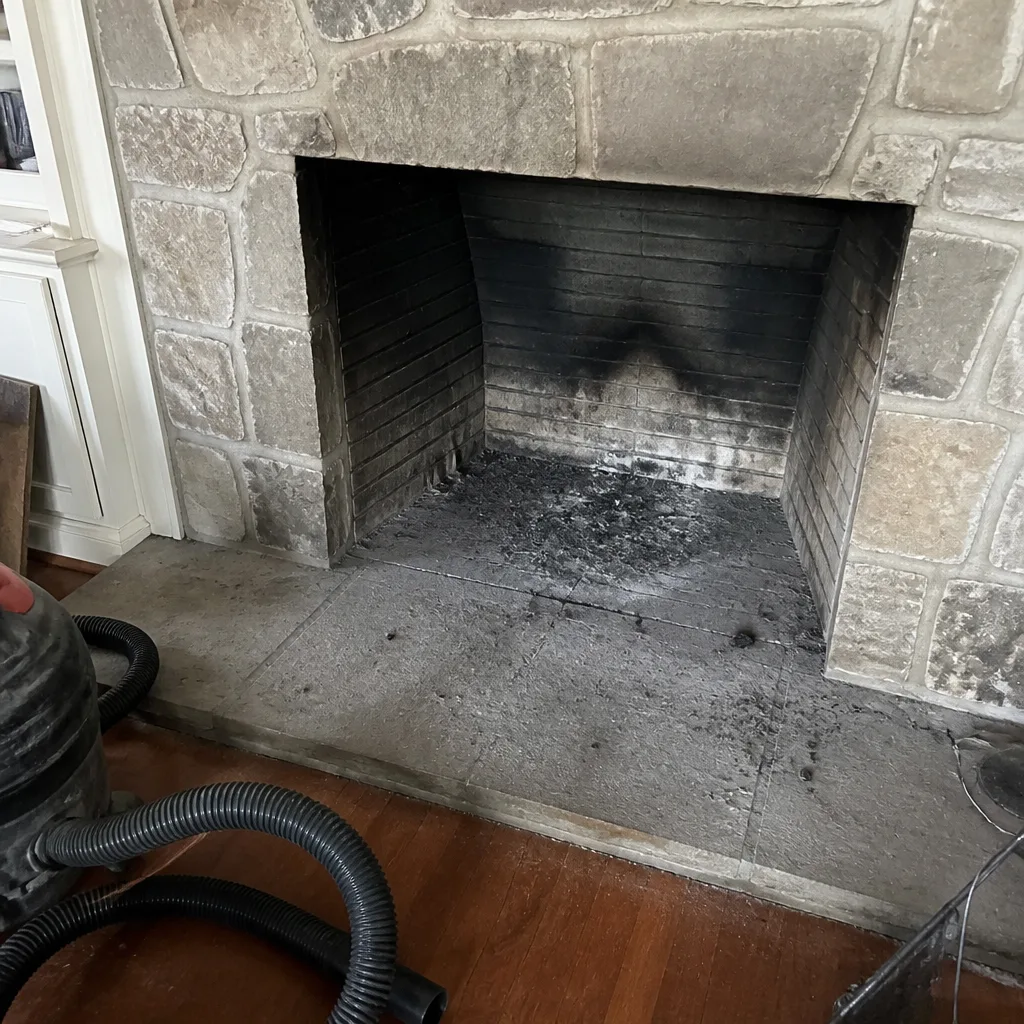 Before
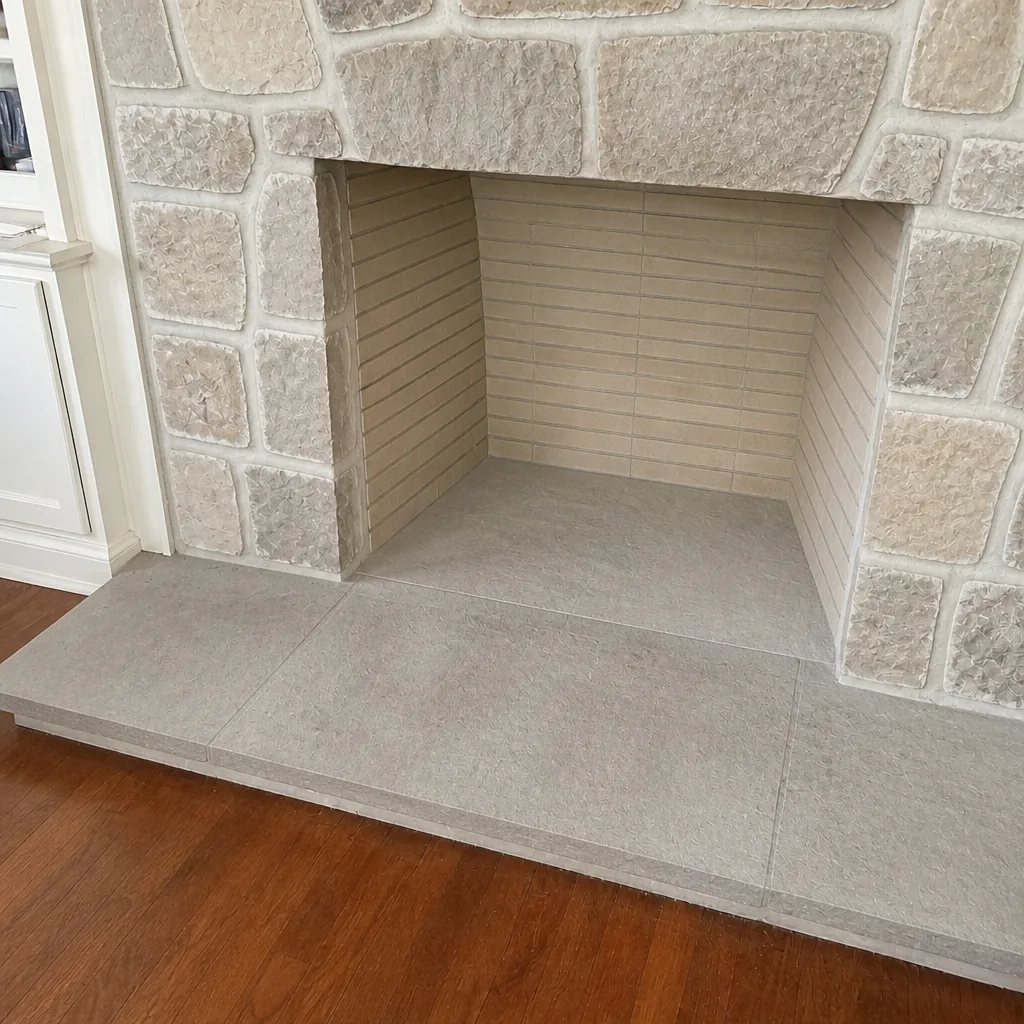 After
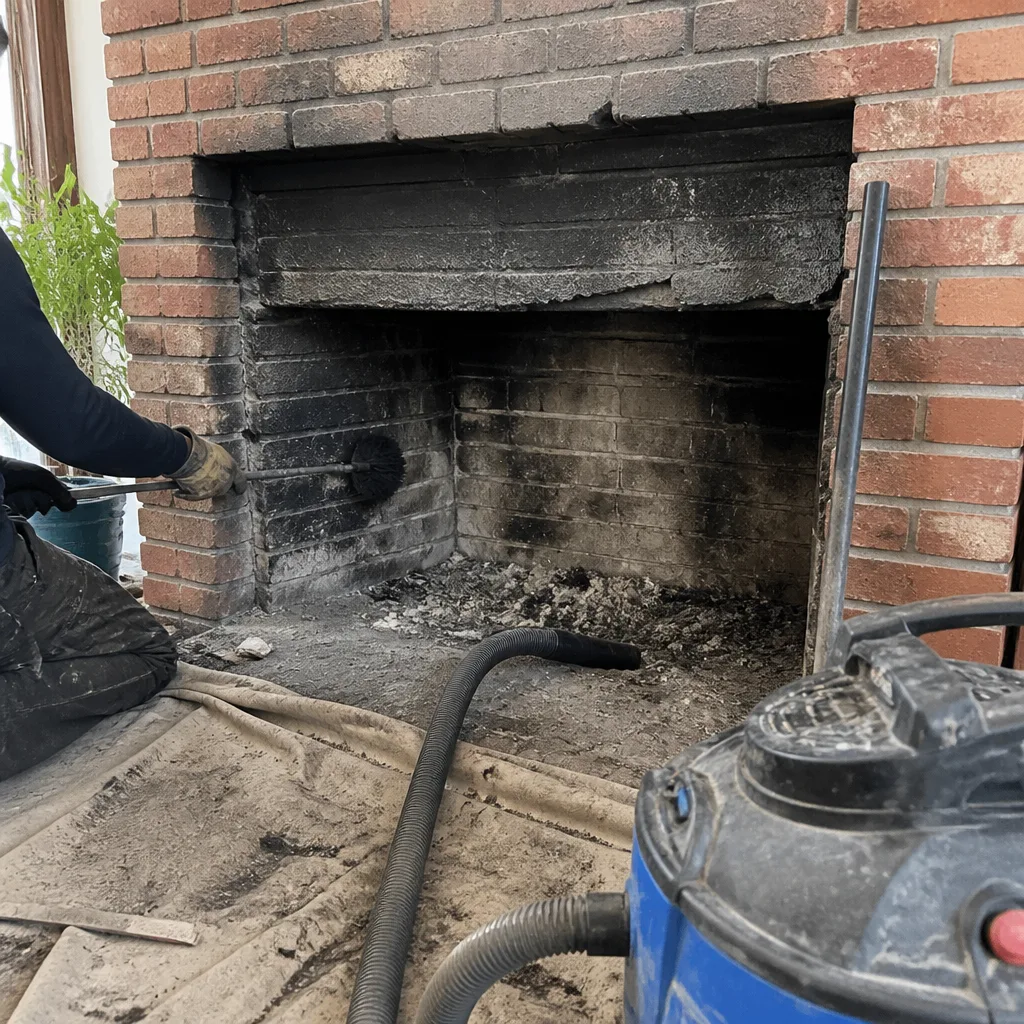 Before
 After
 Before
 After