
Last updated November 16, 2026
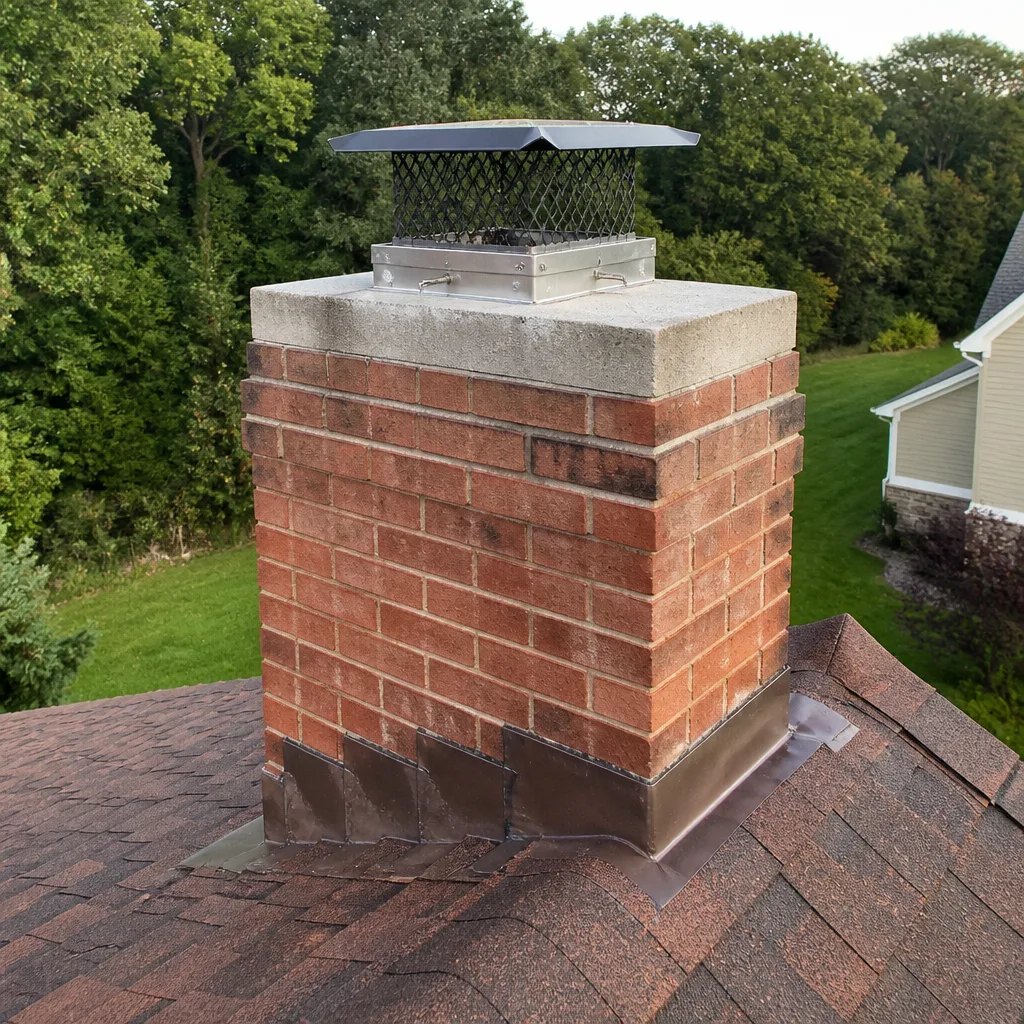 Sweep & inspection
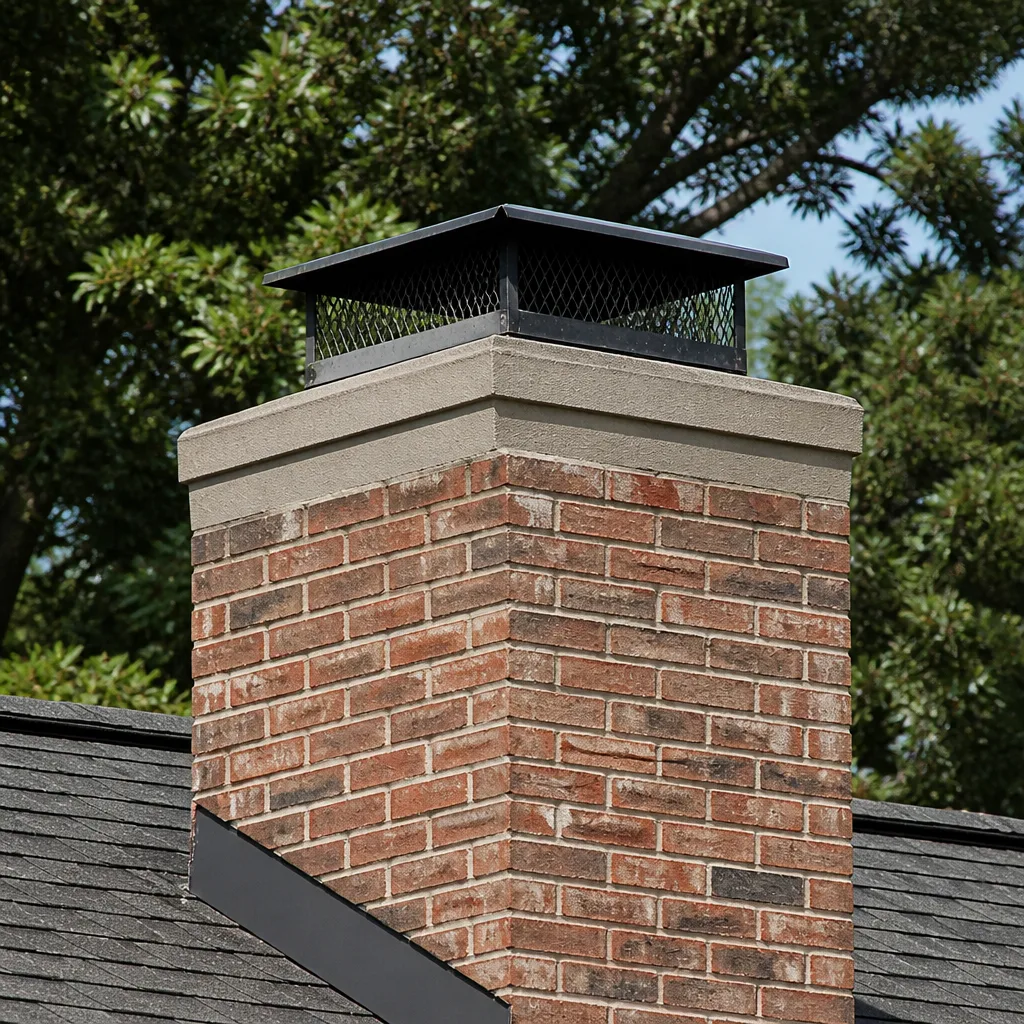 Caps & crowns
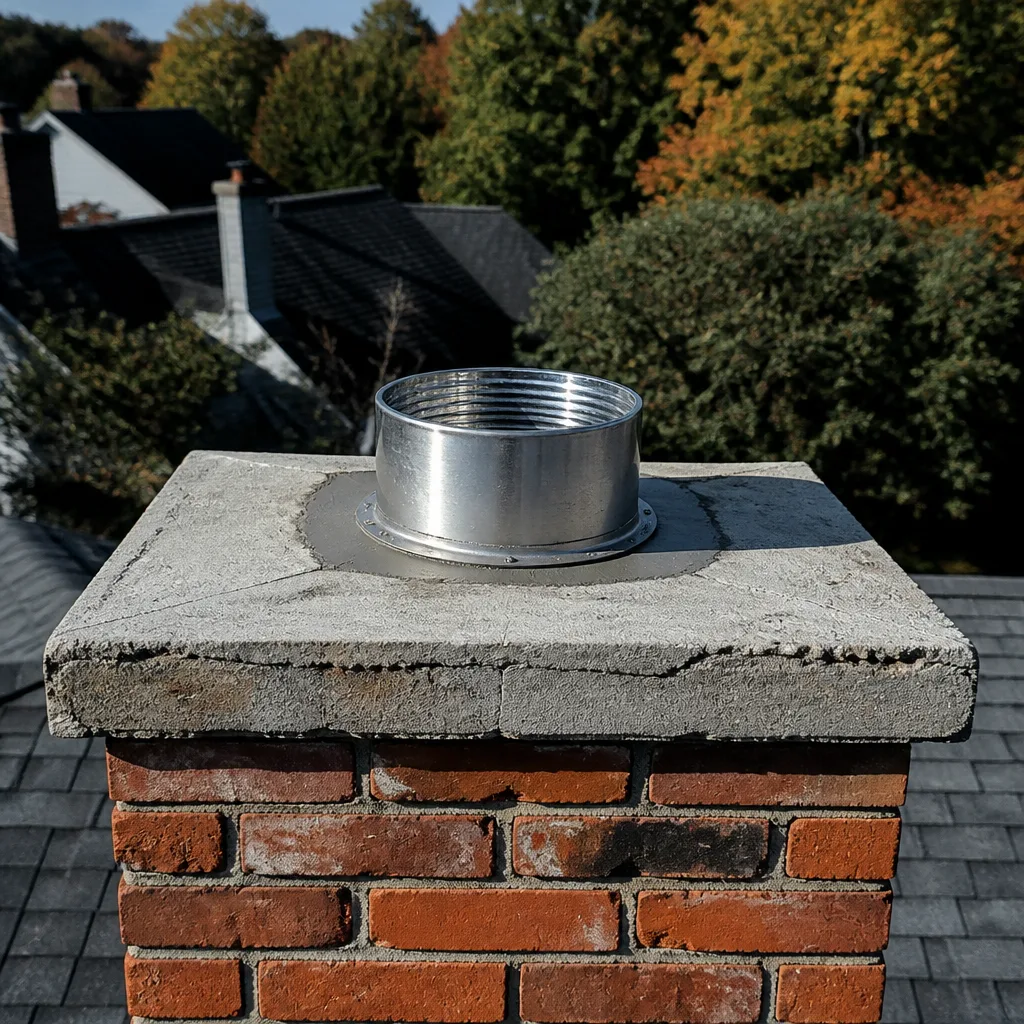 Flue relining
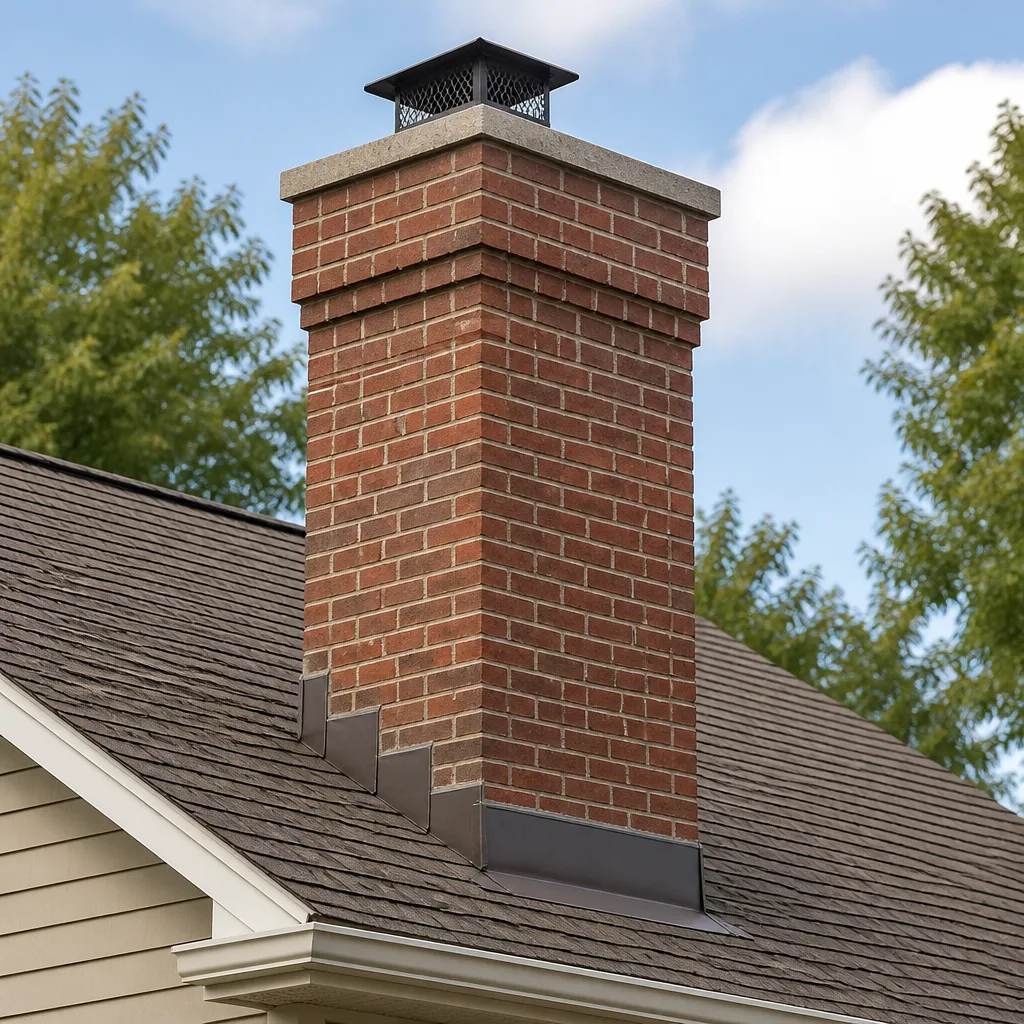 Masonry repair
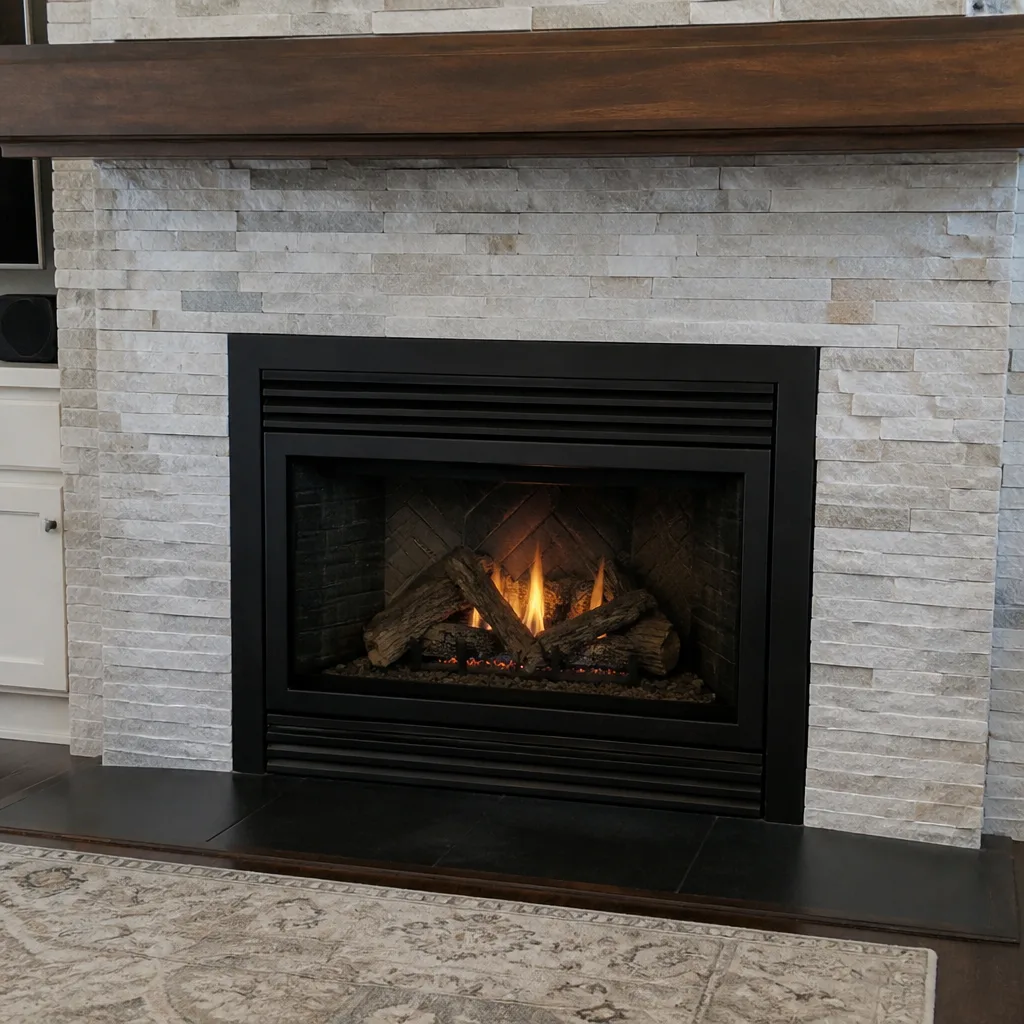 Gas fireplace service
Level 1 sweep and inspection to the NFPA 211 annual standard - flue, crown, cap, and flashing checked and photographed
Chimney sweep logs do not sweep chimneys. They loosen some creosote - which then falls where a brush and vacuum still have to collect it.
How to Hire a Chimney Cleaning Contractor in Winston-Salem: A Step-by-Step Guide
North Carolina doesn’t require a chimney sweep to hold any state-issued license, which means anyone with a brush and a van can legally show up at your door and call themselves a professional. That single fact changes how you should shop for this service. You can’t rely on a license lookup to separate a qualified chimney technician from someone learning on your flue. The vetting is on you. This guide walks through exactly what to ask, what to verify, and what a legitimate written estimate should contain. By the end you’ll know how to hire a chimney sweep in Winston-Salem without relying on a gut feeling or a friendly phone voice. We’ll cover CSIA certification, the five questions that separate real contractors from the rest, and why split accountability between a sweeper and a repair contractor causes more problems than most homeowners expect.
Quick Answer
To hire a chimney cleaning contractor in Winston-Salem, verify current CSIA certification directly on the CSIA website, confirm general liability and workers’ comp coverage in writing, and ask for a written scope of work before anyone books the job. Insist on photo evidence of your flue, ask which repair materials the company uses, and be wary of any sweep whose price is far below the local going rate without explaining why. The criteria matter more than the price, because an unqualified sweep can leave creosote or damage behind that costs far more to fix later.
Styles & brands we work with
- Sweep & inspection
- Caps & crowns
- Flue relining
- Masonry repair
- Gas fireplace service
Table of Contents
- Why hiring a chimney sweep in Winston-Salem is different
- What CSIA certification actually means (and how to verify it)
- The five questions to ask before you book
- How to spot a lowball quote and upsell pressure
- What a proper written estimate should contain
- Why inspection, cleaning, and repair under one roof matters
- What Winston-Salem’s burn season means for scheduling
- Common mistakes to avoid
Why hiring a chimney sweep in Winston-Salem is different
Most home service trades in North Carolina are licensed at the state level. Chimney sweeping isn’t one of them. There’s no state board that reviews qualifications, no exam that tests flue knowledge, and no complaint process specifically for chimney work. A general contractor’s license may apply to certain structural elements of a chimney repair, but the routine cleaning and inspection work that most homeowners are shopping for falls outside any licensing framework. That’s not a reason to panic. It is a reason to know what to check instead.
What fills the gap is voluntary certification, primarily through the Chimney Safety Institute of America. A CSIA-certified sweep has passed a proctored exam, agreed to a code of ethics, and committed to ongoing education. It’s not a government credential, and it doesn’t guarantee good work on its own. But it’s the closest thing to a baseline the trade has, and it’s the first thing to verify. When you’re comparing chimney sweeps in Winston-Salem, ask each one whether they hold current CSIA certification, then check it yourself rather than taking their word for it.
The other local factor is the housing stock. Winston-Salem has a wide range of home ages, from pre-war homes in neighborhoods like West End and Ardmore to mid-century ranches out toward Sherwood Forest and newer construction in the western suburbs. Older chimneys were often built with clay tile liners that have since cracked or deteriorated, and masonry that has absorbed decades of moisture. A sweep who works mostly in newer suburban housing may not recognize the specific issues an older Winston-Salem chimney presents. Ask how they approach older masonry chimneys before you book.
What CSIA certification actually means (and how to verify it)
CSIA certification is the minimum bar for a chimney professional, not a differentiator. Any sweep who markets it as their standout credential is telling you they don’t have much else to offer. Still, it’s the floor. Here’s what it actually involves.
The Chimney Safety Institute of America is a nonprofit that administers a certification exam covering chimney and venting fundamentals, codes, and safety practices. To stay certified, a sweep must pass a proctored exam, sign the CSIA Code of Ethics, and recertify on a set cycle. The certification is tied to the individual, not the company, so a company that claims to be “CSIA certified” should be able to name which technicians hold the credential.
To verify it, go to the CSIA website and use their “Find a CSIA Certified Professional” search tool. Search by ZIP code or by the sweep’s name. The listing will show whether the certification is current. Certification lapses if a technician doesn’t recertify, so a sweep who says they’re certified but doesn’t appear in the search is either confused about their status or misrepresenting it. Either answer tells you something useful.
One practical note: CSIA certification covers sweeping and inspection. It doesn’t certify a technician to perform every kind of repair. If the company proposes a liner replacement, ask what training or manufacturer certification they have for the specific product they’re installing. We work with professional-grade brands like DuraFlex for flexible liner systems and HeatShield for ceramic sealant repair, and the manufacturers of those products run their own installer training programs. A sweep who can talk about that training specifically is a better bet than one who can only recite their CSIA number.
If you want the deeper version of this, our guide to chimney sweep work in this market covers what a proper sweep actually involves from start to finish.
The five questions to ask before you book
Before you schedule anyone to come out, ask these five questions on the phone. How they answer tells you as much as the answers themselves. A qualified sweep will answer all five without hesitation. Someone who dodges or gets defensive is telling you something.
- What does your inspection include? A proper inspection is not a glance up the flue with a flashlight. It should follow the levels laid out by the National Fire Protection Association, with a Level 2 inspection using a camera when the situation calls for it (after a chimney fire, during a real estate transaction, or when there’s been a change to the appliance or fuel type). Ask what level they’ll perform and whether a camera is included or extra.
- Do you carry general liability and workers’ comp? General liability covers damage to your home if something goes wrong. Workers’ comp covers the technicians if they’re injured on your property. Ask for a certificate of insurance naming the company, and call the insurer to confirm it’s current. A sweep who can’t produce a COI or gets touchy about being asked is not someone you want working on your roof.
- Will you show me photos of my flue? This is the single most important question in the list. A camera inspection that produces photos you can see for yourself is the difference between a recommendation you can trust and one you have to take on faith. Any company that won’t show you the inside of your own chimney is asking for blind trust you don’t owe them.
- What materials do you use for repairs? Vague answers here are a red flag. A sweep who does repair work should be able to name the specific products they install. Stainless flexible liner systems, ceramic sealants for cracked flue tiles, and heavy-gauge caps and dampers from established manufacturers are the standard. If the answer is “whatever’s available,” push for specifics.
- Can I see a written scope of work? Any repair recommendation should come with a written scope: what’s being done, what materials, what brand, what warranty, what the total cost is. Verbal estimates open the door to scope creep and disputes. A written scope protects both sides.
Ask all five before anyone books the visit. A sweep who answers them comfortably is likely to do good work. A sweep who gets annoyed by the questions has told you everything you need to know.
How to spot a lowball quote and upsell pressure
A chimney sweep is not a commodity. A properly done sweep takes time: setting up containment so soot doesn’t drift into the living room, brushing the full flue, running a camera, documenting what the camera found, and cleaning up. That work costs what it costs. When a company advertises a “special” sweep price well below what the local market sustains, the low price is not a gift. It’s an entry point.
The pattern to watch for is a cheap headline price followed by a series of findings that all require paid repair. Some of those findings may be real. Many are not, or not yet. The tell is whether the technician can show you photo evidence of the problem and explain, in plain language, why the repair can’t wait. If the answer is vague, urgent, or accompanied by a same-visit discount, slow down.
Here’s how to defend against it:
- Get the price in writing before anyone arrives. Ask whether the quoted price is the final price or the starting price.
- Ask what happens if the sweep finds repair issues. A good sweep will document them and let you decide on your timeline, not pressure you to sign today.
- Refuse any repair recommendation that doesn’t come with a photo of the actual problem in your actual chimney.
- Ask whether the company would tell you if a suggested repair could safely wait a season. If they hedge, that’s an answer.
- Get a second opinion from another certified sweep if the repair estimate is large. It’s a small cost against a large one.
None of this means cheap sweeps are automatically bad or that expensive ones are automatically honest. It means price alone doesn’t tell you anything until you know what’s included and what evidence supports the work. A sweep who charges a fair market rate and shows you exactly what they found is the better value even at a higher headline number.
What a proper written estimate should contain
A written estimate is the contract of understanding between you and the company. Vague estimates cause disputes, and disputes over chimney work get expensive fast because the work is already on your roof. Here’s what a complete estimate should include.
- Scope of work: a plain-language description of what will be done, in the order it will be done.
- Product brands and specifications: the manufacturer and product name for any materials. If a liner is being replaced, the liner’s material, wall thickness, and diameter should be specified. If a cap is being installed, the brand and style should be named.
- Liner specs where applicable: for a relining job, ask whether the proposed liner is insulated, what its UL listing number is, and whether the sizing has been calculated against the appliance’s venting requirements. A liner that’s too large or too small doesn’t vent correctly.
- Warranty terms: what the manufacturer’s warranty covers, what the installer’s workmanship warranty covers, and how long each lasts. Ask whether the warranty is transferable if you sell the house.
- Total cost and payment terms: the full price including any disposal fees or permit costs, and when payment is due.
- Timeline: when the work starts and roughly when it finishes.
Brand specifics matter more than most homeowners realize. We install Gelco and Famco chimney caps and dampers because they’re built for longevity, and we use HeatShield for ceramic sealant repair because it’s the established product for that application. If a company can’t name the brand they’re installing, they either don’t know or don’t want you to look it up. Both are problems.
For a clearer picture of the repair side of this work, our chimney repair page walks through what typical jobs involve.
Why inspection, cleaning, and repair under one roof matters
Many homeowners hire a sweep for the cleaning, and then, when the sweep finds a cracked flue tile or a damaged crown, hire a separate masonry or general contractor for the repair. That split creates a problem: when something goes wrong later, each party has a reason to blame the other. The sweep says the repair was done badly. The repair contractor says the sweep misdiagnosed. You’re stuck in the middle with no clear accountability.
A company that handles inspection, cleaning, and repair as one service keeps accountability with one team. The technician who inspected the flue is the same one who sweeps it, and the same team that identifies a needed repair performs it. If the repair fails, there’s no finger-pointing. Our team at Jasper Chimney Sweep works this way on purpose, and it’s a large part of why we treat every chimney as a system rather than as a one-time cleaning job.
The single-roof model also makes the inspection more useful. When the same company doing the repair is the one doing the inspection, they’re not incentivized to ignore a developing issue to keep the inspection cheap. They document what they find, explain what can wait, and quote the repair under the same standard of care they’ll apply to the work.
This doesn’t mean you can’t hire separately. Many homeowners do. But if you’re going to split the work, get the inspection report in writing and make sure the repair contractor has read it before they quote. A written report that nobody reads doesn’t prevent anything.
What Winston-Salem’s burn season means for scheduling
Winston-Salem sits in the Piedmont, which means the burn season here runs from roughly late October into early spring. Homeowners who burn wood regularly should look at a sweep before the first fire of the season, not after. The reason is simple: creosote builds up during the burning months, and a chimney that was borderline clean at the end of last season will be a problem by the time you light the first fire this year. Booking the sweep in late summer or early fall gets the chimney inspected and cleaned before the heavy burning months begin, and it leaves time for any repair work to be done before the season starts.
There’s a second local consideration: moisture. The Piedmont’s humid summers and frequent freeze-thaw swings in winter are hard on masonry. Water absorbed into mortar joints and crowns freezes, expands, and slowly cracks the masonry. A chimney that looked fine in July can have a crown problem by February. A camera inspection during the sweep catches developing issues that a visual glance from the ground won’t. If you’ve noticed white staining on the exterior brick, that’s efflorescence, which is a sign of moisture moving through the masonry, and worth flagging to the sweep before the visit.
For homeowners in Winston-Salem and the surrounding neighborhoods, the practical schedule looks like this: book the sweep in late summer or early fall, before the season starts. If a repair is needed, it’s done before the cold weather. If nothing’s needed, you’ve documented the condition of your chimney for the year and you can burn with confidence. The spring season is also a reasonable time to sweep if you missed the fall window; the creosote situation is the same, just warmer to deal with.
One scheduling note: chimney sweeps fill up during September and October. If you wait until the first cold snap to call, you’re competing with everyone else who did the same. Booking early avoids the scramble.
Common Mistakes to Avoid
- Assuming there’s a state license to check. North Carolina doesn’t license chimney sweeps, so a “licensed and insured” claim needs to be verified through the actual credentials: CSIA certification checked on the CSIA website, and a certificate of insurance confirmed with the insurer. A sweep who says “we’re licensed” without a clear answer for which body issued the license is a question mark.
- Hiring the cheapest sweep on the phone. A lowball price often becomes an upsell once the technician is on the roof, when you’re least able to comparison shop. A fair market price with a written estimate and photo documentation is the better value.
- Skipping the insurance check. Workers’ comp protects you if a technician is injured on your property. General liability protects you if your home is damaged. Without a certificate of insurance in hand, you’re carrying the risk yourself, and the sweep may not have the coverage to make you whole.
- Accepting a repair recommendation without photos. A sweep who recommends a liner replacement or masonry repair without showing you the specific problem in your specific flue is asking for blind trust. Ask to see the photos before you agree to any repair work.
- Splitting the sweep and the repair between two companies without a written report. If you hire one company to sweep and another to repair, the second company needs the first company’s written inspection findings, or you risk paying for a repair that doesn’t address the actual problem.
- Waiting until the first cold week to book. In Winston-Salem, the fall scheduling crunch is real. Booking in late summer or early fall gives you a spot before the season starts and leaves room for repair work if it’s needed.
- Not asking whether a repair can wait. Some issues are urgent. Many aren’t. A good sweep will tell you which is which, and that’s a sign you can trust the ones they flag as urgent. If every finding is urgent, that’s a sign to get a second opinion.
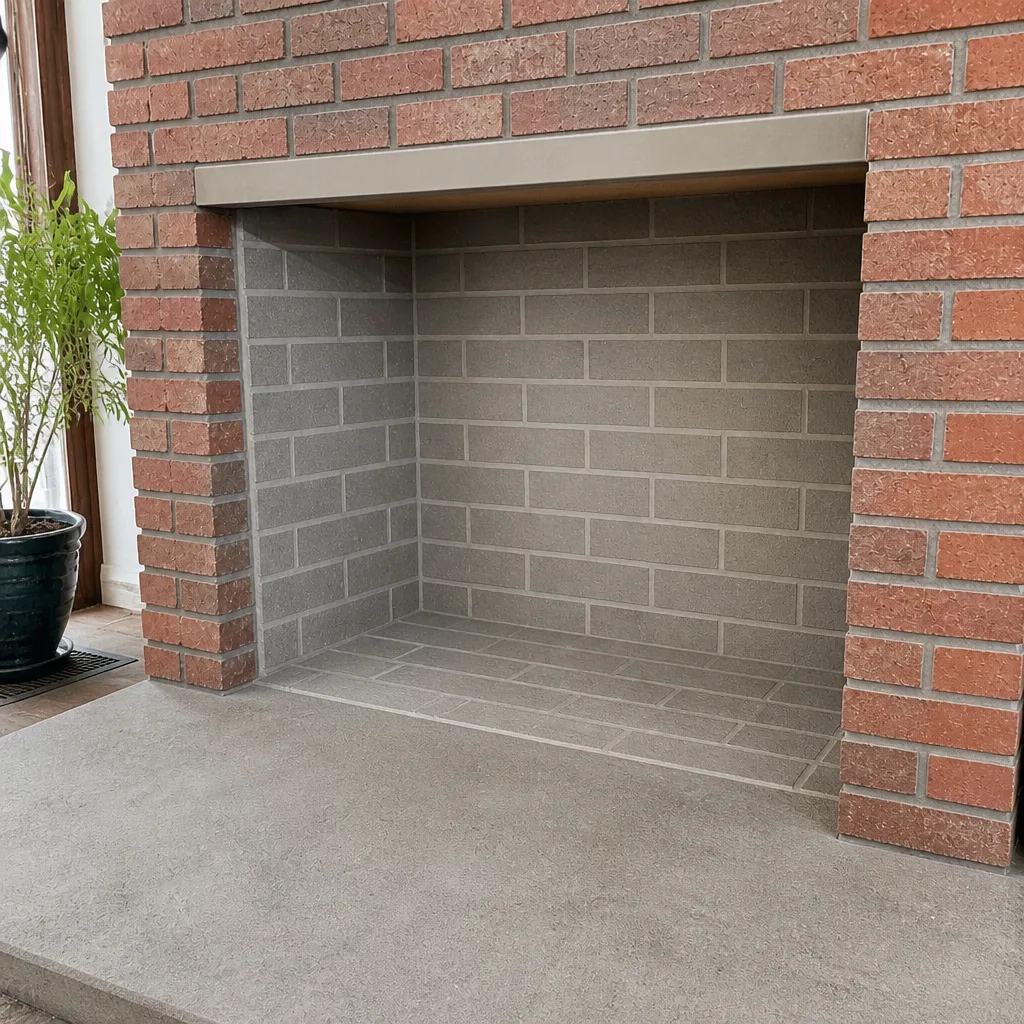
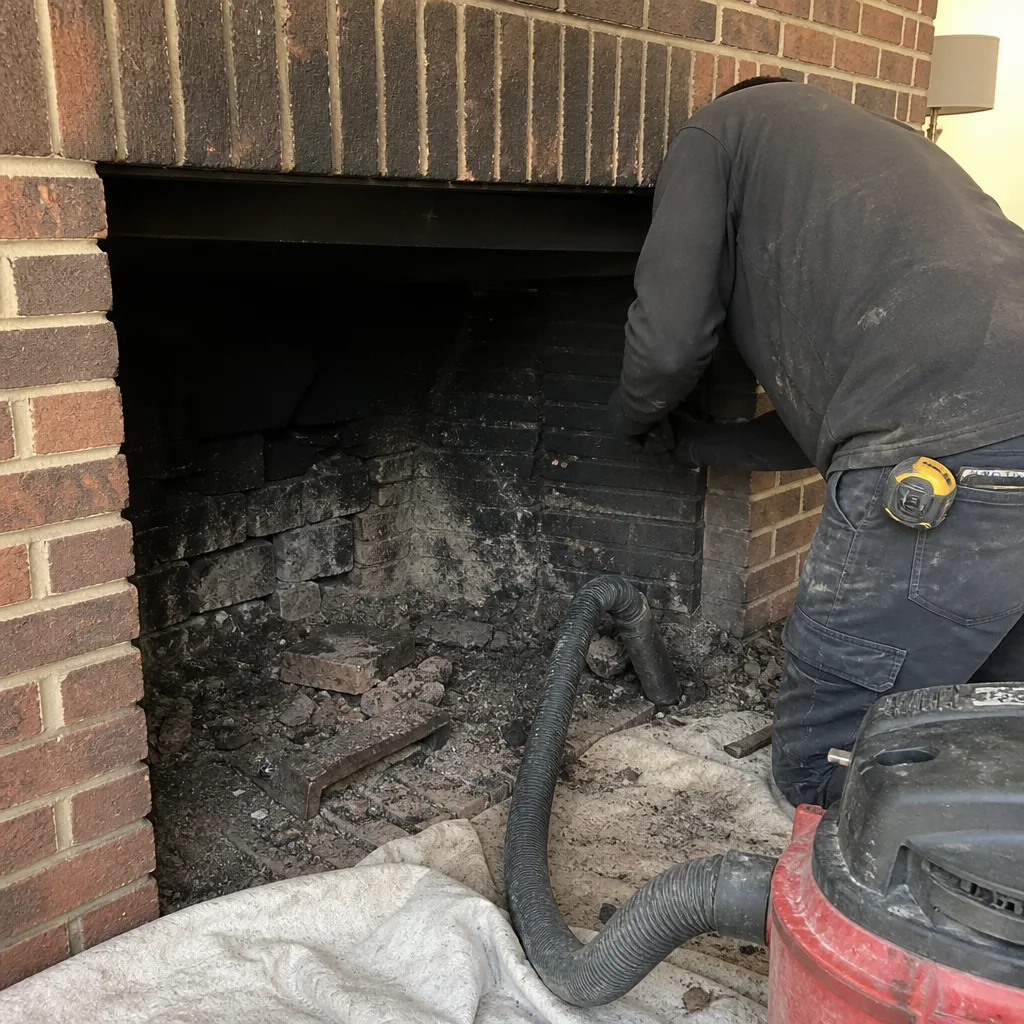
See the difference
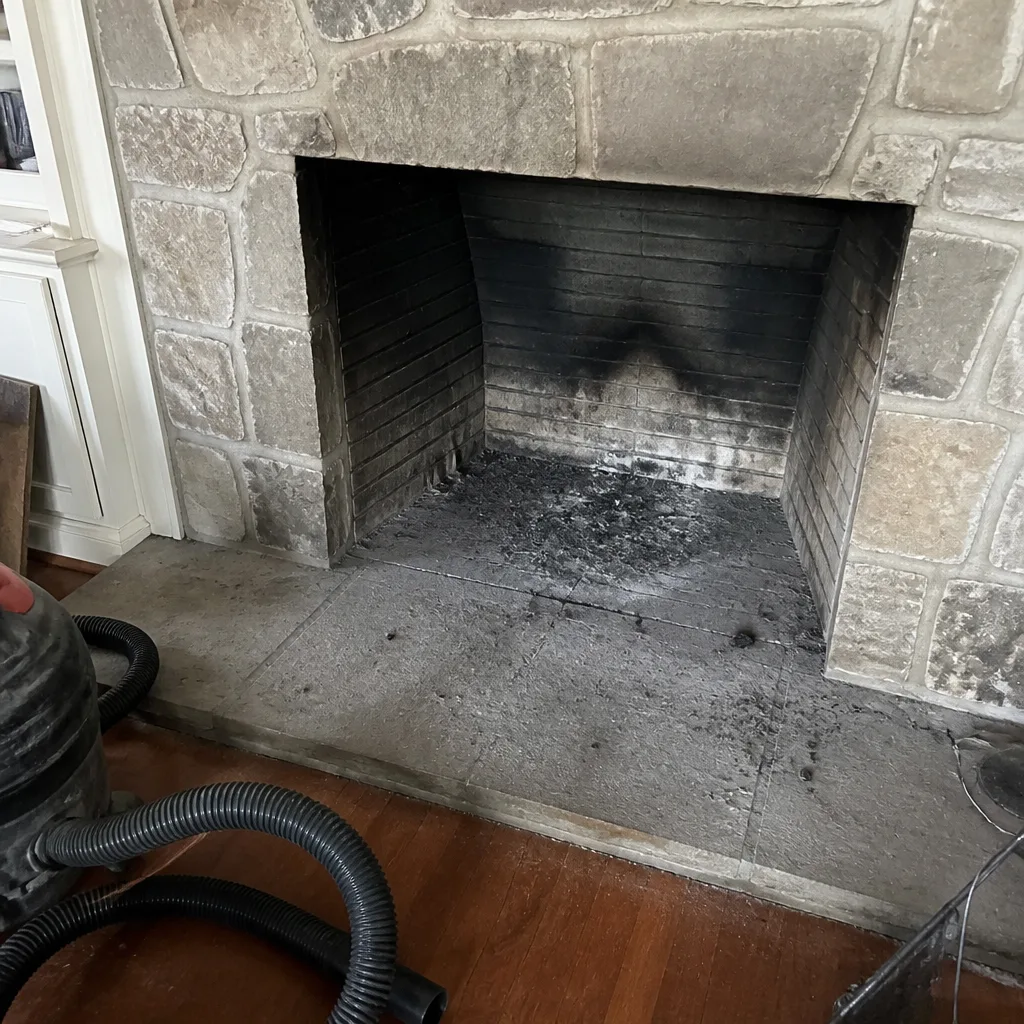 Before
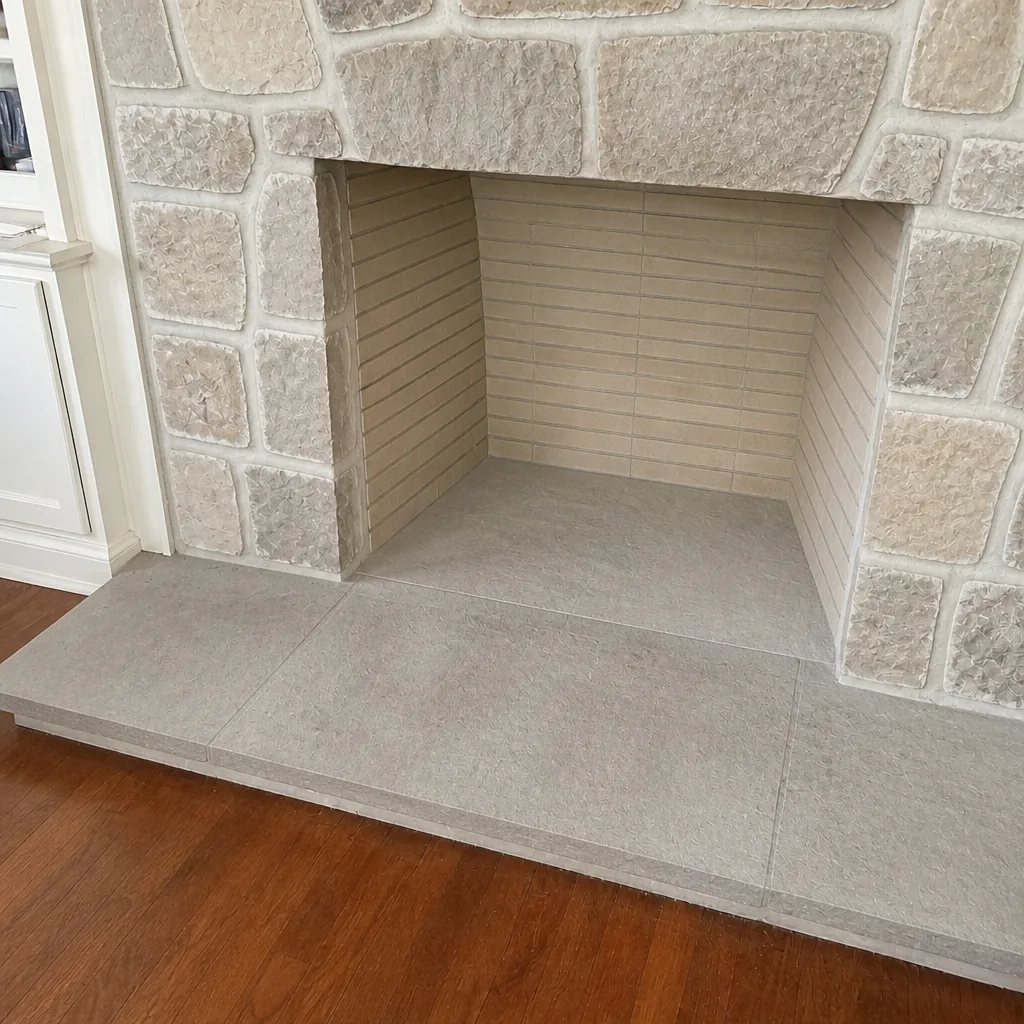 After
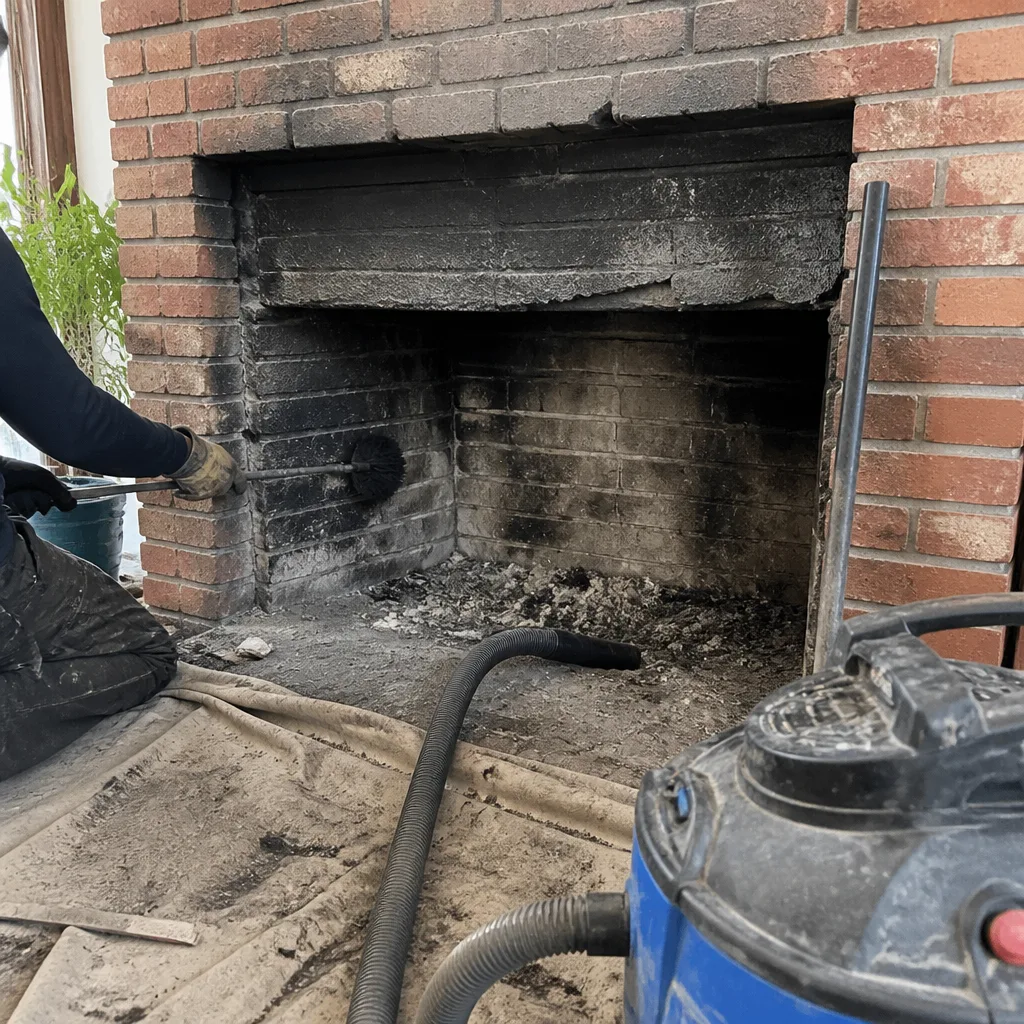 Before
 After
 Before
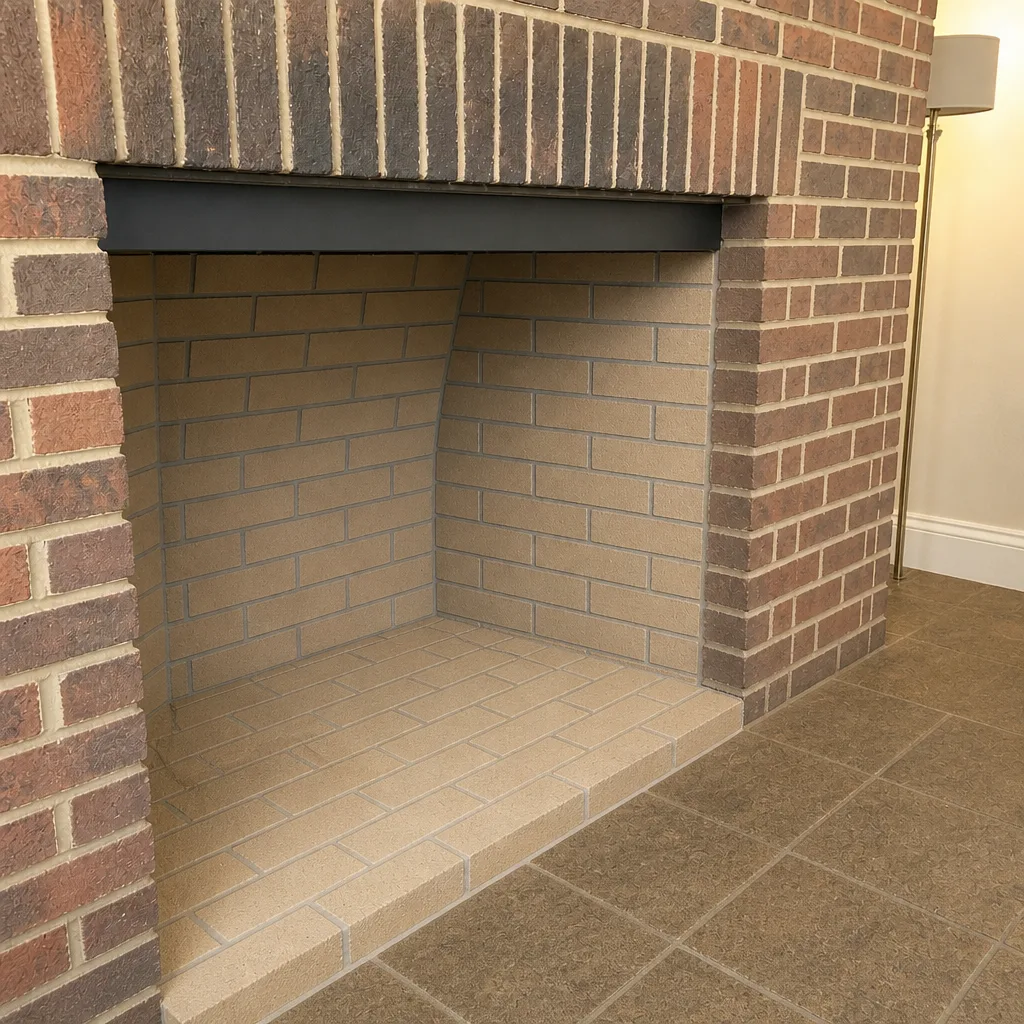 After
When to Call a Professional
A chimney should be swept and inspected annually if you burn wood, and on a schedule that matches how much you burn. If you burn fires most evenings through the winter, an annual sweep is the baseline. If you burn occasionally, every year or two may be enough, but the inspection should still happen yearly to catch developing problems. Call a professional before the first fire of the season if you haven’t been swept in a year, if you’ve had a chimney fire at any point, if you’ve noticed a strong creosote smell in warm weather (a sign of creosote loading in the flue), or if you’re buying or selling a home in Winston-Salem and need a report for the transaction. If you’re seeing white staining on the exterior masonry, that’s worth a look before it becomes a structural issue.
None of that requires a same-day emergency call. A sweep is a scheduled appointment, and if you’re reading this in the middle of summer, you’re in good shape to get ahead of the fall rush. Jasper Chimney Sweep offers free estimates in Winston-Salem. Call (866) 343-2983 to book a visit. We answer 24/7. Fast dispatch from 7am to 7pm, Sunday through Friday.
Frequently Asked Questions
A typical chimney sweep in Winston-Salem costs what the local market sustains for a properly done job, which includes brushing the full flue, a camera inspection, and photo documentation of what was found. The written estimate sets the final price, and estimates are free. Call (866) 343-2983 for an exact quote.
Not always. A liner replacement is recommended when the existing clay tile liner is cracked, spalling, or deteriorated to the point that it can no longer contain the flue gases and heat. The right way to know is to see the photo evidence from a camera inspection. If a sweep recommends a liner without showing you the problem, ask to see the photos before you agree to the work. Our liner work uses flexible stainless systems from DuraFlex, sized and specified for the appliance.
Annually for most homeowners who burn wood regularly, and more often if you burn fires most days through the winter. If you burn only occasionally, the sweep interval may stretch, but the inspection should still happen every year. Winston-Salem’s burn season runs from late fall into early spring, so late summer and early fall are the practical booking windows.
Creosote builds up in the flue as you burn. Over time, a thick enough layer can ignite, causing a chimney fire that can damage the flue and, in serious cases, spread into the structure of the house. Even without a fire, a restricted flue can push carbon monoxide back into the living space instead of venting it outside. Neither outcome is a certainty, but both are real risks the annual sweep is designed to prevent. Call (866) 343-2983 for a free estimate on a sweep before the season starts.
Physically, yes. Practically, a proper sweep requires a camera inspection, a working knowledge of what to look for in a flue, and containment so soot doesn’t end up in your living room. A DIY sweep will often miss developing problems that a camera would have caught. For the chimney itself, the inspection is worth leaving to someone who does it regularly. Call (866) 343-2983 to schedule an inspection with a trained technician.
Our work covers the standard range of residential chimney types in the Winston-Salem area, including masonry chimneys with clay tile liners, factory-built chimneys, and wood-burning appliance venting. If your home is older, we’ll spend extra time on the inspection because older masonry often has issues that aren’t visible from the ground. Our technicians have up to 9 years of experience, and we carry the same professional-grade materials (HeatShield, DuraFlex, Gelco, Famco, and the other brands certified chimney technicians specify) on every repair. Call (866) 343-2983 for a free estimate.
The Bottom Line
Hiring a chimney sweep in Winston-Salem is a vetting problem, not a shopping problem. The state doesn’t license the trade, so the responsibility for checking credentials, insurance, and service standards stays with you. Verify CSIA certification on the CSIA website. Ask for a certificate of insurance and confirm it with the insurer. Ask what the inspection includes and whether photos are part of it. Refuse any repair recommendation that doesn’t come with photo evidence. Get the written scope of work before you sign anything. Prefer a company that handles inspection, cleaning, and repair under one roof, because split accountability creates disputes you don’t want to be in. Book in late summer or early fall to avoid the fall crunch, and if you’re not sure whether your chimney needs work, get an inspection before the season starts. When you’re ready to book, call (866) 343-2983 for a free estimate.
Written by the team at Jasper Chimney Sweep.