
Last updated November 16, 2026
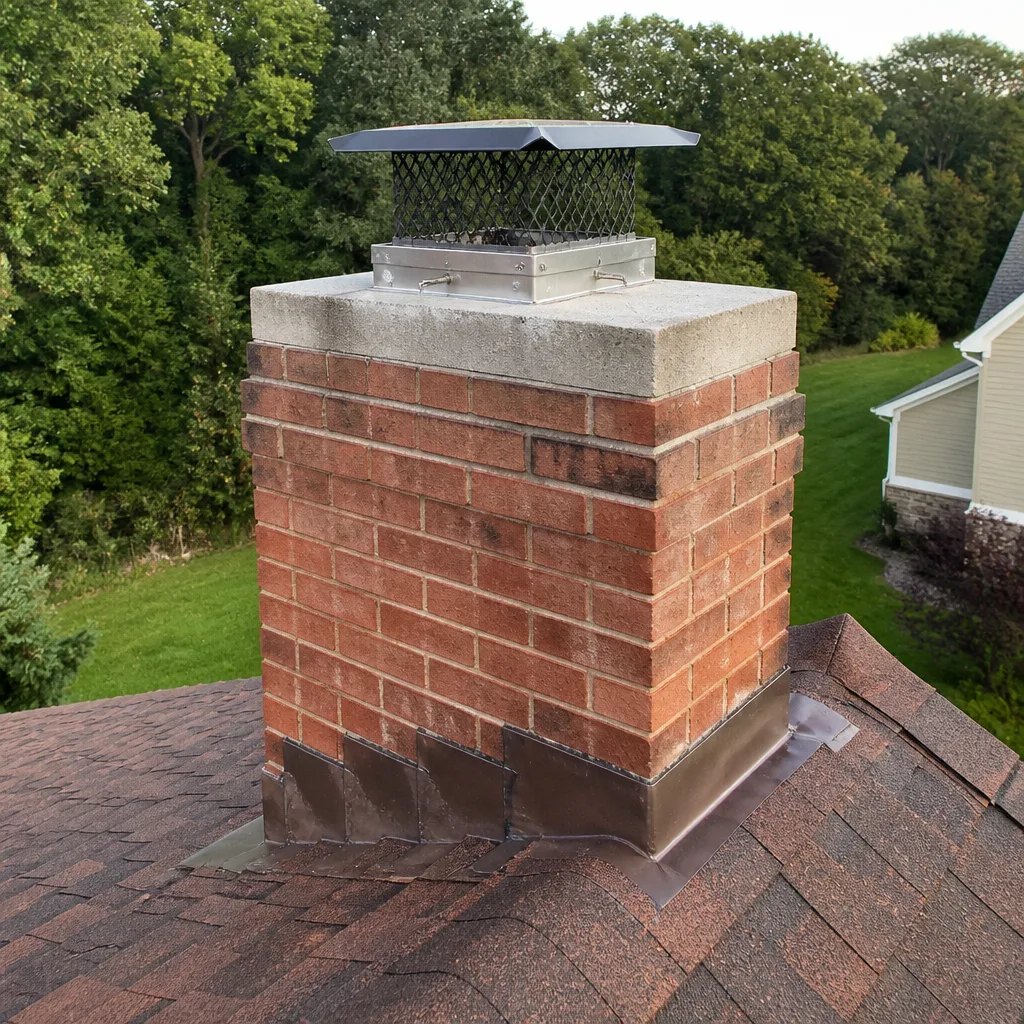 Sweep & inspection
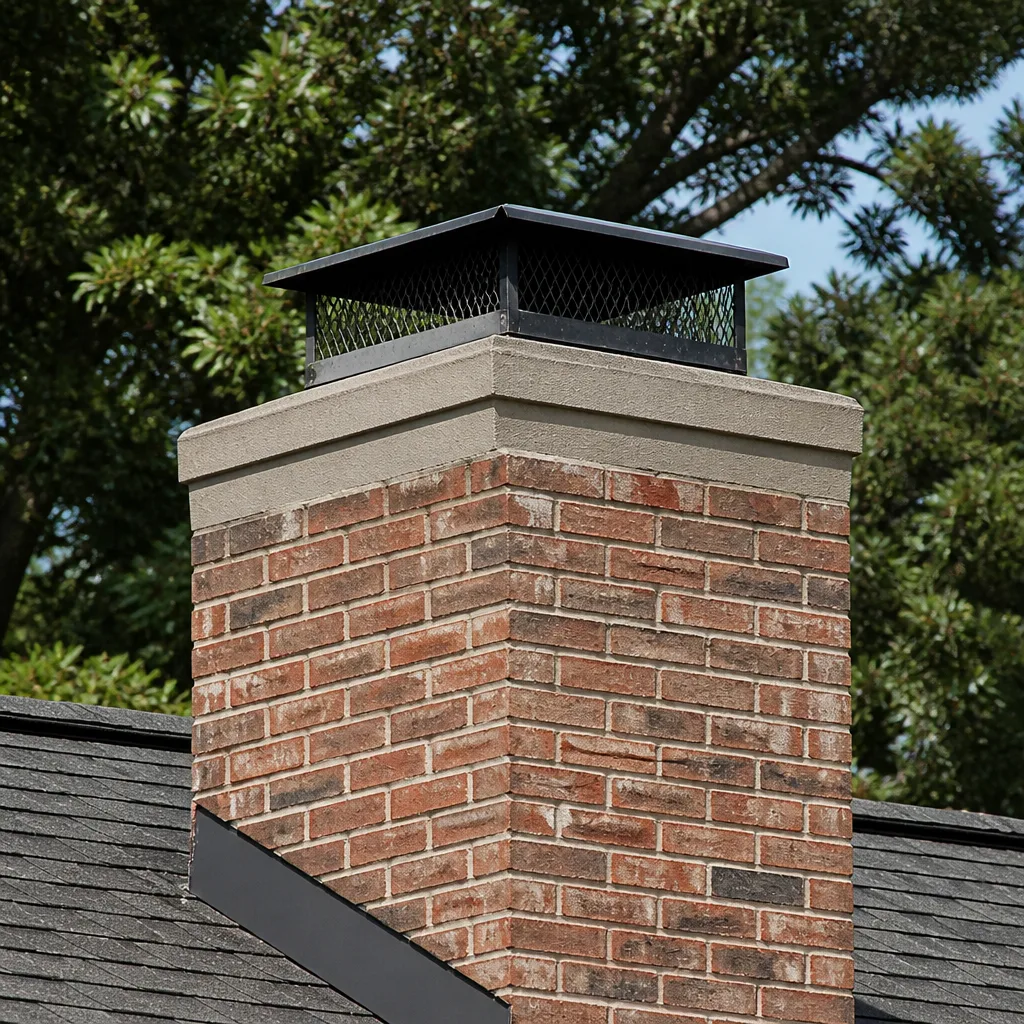 Caps & crowns
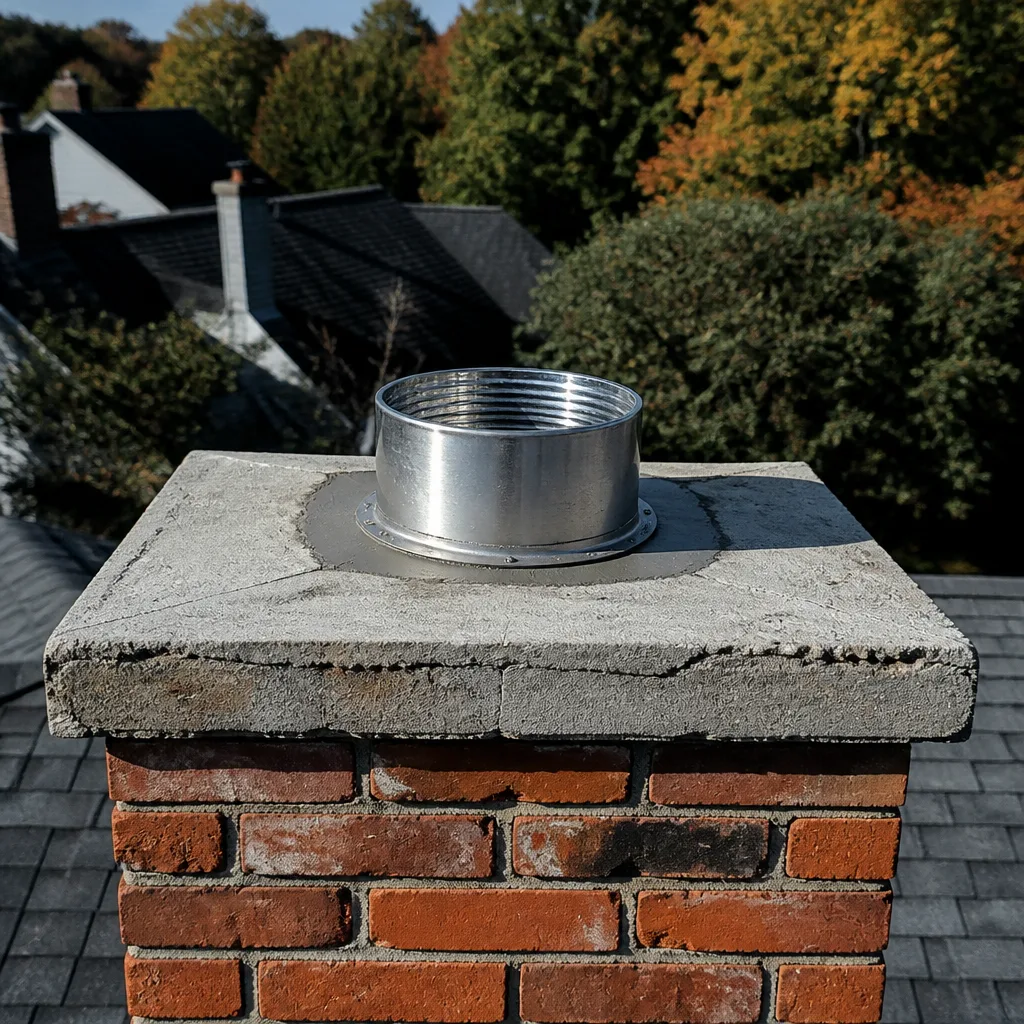 Flue relining
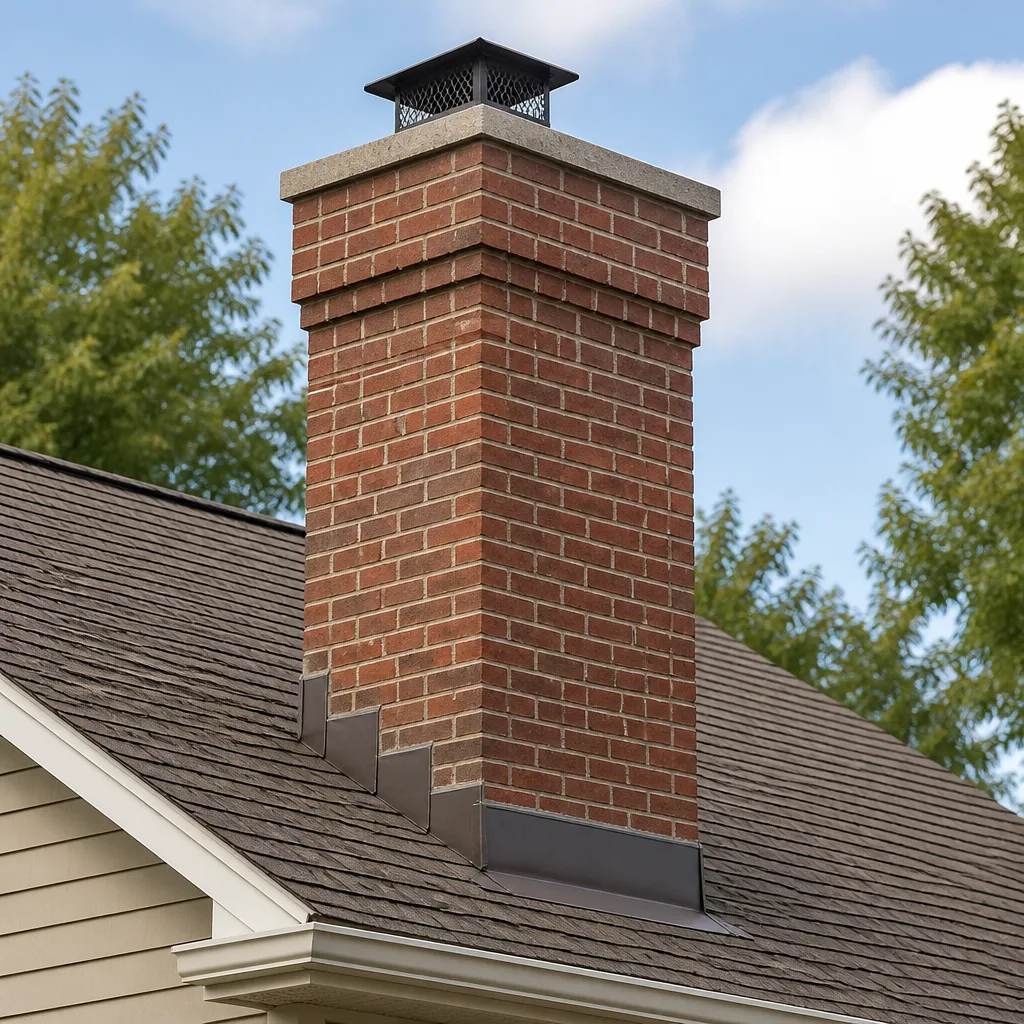 Masonry repair
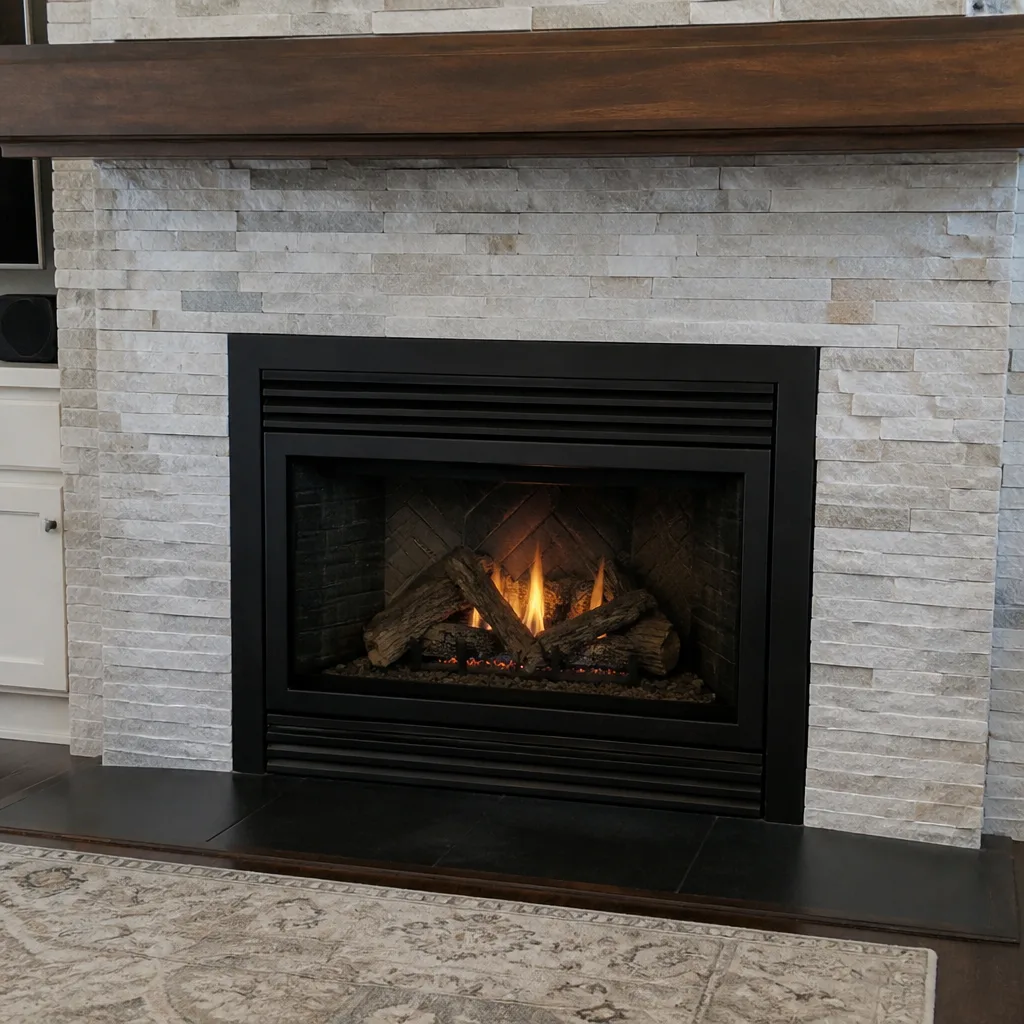 Gas fireplace service
Level 1 sweep and inspection to the NFPA 211 annual standard - flue, crown, cap, and flashing checked and photographed
Chimney sweep logs do not sweep chimneys. They loosen some creosote - which then falls where a brush and vacuum still have to collect it.
The Complete Guide to Chimney Cleaning in Winston-Salem
Most people assume a chimney either works or it doesn’t. It drafts, smoke goes up, and that’s the end of the story until something goes wrong. But a chimney is a system, and in Winston-Salem that system carries a specific set of jobs: it vents combustion gases, it holds a liner against heat and moisture, it sheds water at the crown and cap, and it manages a firebox and smoke chamber designed decades ago for a fuel load most homes no longer burn. Cleaning is where you check whether all of those parts still work together. This guide walks through how chimney cleaning actually works in Winston-Salem, what the region’s older brick stock and mixed fuel use mean for your schedule, how inspections are classified, and how to read a sweep report so you know what’s urgent and what can wait.
Quick Answer
Chimney cleaning in Winston-Salem means removing creosote, soot, and debris from the flue, firebox, smoke chamber, and damper area, then inspecting the whole system for cracks, blockages, and liner damage. Most homes burning wood regularly need a sweep once a year, or sooner if creosote has built past a thin glaze. A proper cleaning always includes an inspection, because the deposit you can’t see is the one that matters. Call Jasper Chimney Sweep at (866) 343-2983 if you want a straight read on what your chimney actually needs.
Styles & brands we work with
- Sweep & inspection
- Caps & crowns
- Flue relining
- Masonry repair
- Gas fireplace service
Table of Contents
- Why a Chimney Is a System, Not Just a Flue
- How Winston-Salem’s Fuel Mix Changes Your Cleaning Schedule
- What Chimney Cleaning Actually Touches
- The Three Levels of Chimney Inspection and When Each Applies
- Creosote Staging and Why It Changes the Whole Job
- How to Read a Chimney Sweep Report
- How Often Should You Clean a Chimney in Winston-Salem?
- What You Can Safely Check Yourself (and What You Can’t)
Why a Chimney Is a System, Not Just a Flue
The flue is the part everyone thinks about: the vertical channel that carries smoke and gases out of the house. It’s also the part that gets the least accurate attention, because creosote and cracks hide inside it. But a working chimney depends on five other parts doing their jobs at the same time. If any one of them fails, the flue can’t do its job either, no matter how clean it is.
The full system includes:
- Firebox – where the fire burns. Brick and mortar here take direct heat and repeated thermal cycling, and cracks or spalled brick change how the fire draws.
- Damper – the metal door or throat damper that controls draft when the fireplace is not in use. A stuck or missing damper sends heated air up the chimney all winter and can let cold air down.
- Smoke chamber – the sloped area above the damper where smoke compresses before entering the flue. Its shape and surface condition directly affect how well smoke leaves the house, and it’s one of the most commonly neglected parts of the system.
- Flue and liner – the vertical channel and its protective lining, whether clay tile or a modern flexible liner. This is where creosote collects and where liner damage is most consequential.
- Crown – the concrete cap at the top of the masonry that sheds water away from the chimney body. A cracked crown lets water into the brick and mortar, and freeze-thaw cycles in the region make that damage worse over time.
- Chimney cap – the fitted cover over the flue that keeps rain, birds, and debris out while letting gases escape. Caps built for longevity are a different class of product from the thin covers that need replacing every couple of years.
When we sweep a chimney, we’re not just clearing the flue. We’re checking how the whole system reads together. A clean flue attached to a failed crown will still leak water into the house. A perfect crown over a glazed flue is still a fire risk. When you need specific repair work on any of these components, our chimney repair service handles the system as a unit rather than patching one part and leaving the rest.
How Winston-Salem’s Fuel Mix Changes Your Cleaning Schedule
A lot of homes around Winston-Salem were built before 1980. Those chimneys were sized and lined for wood fires, open hearths, and the draft characteristics of the era. Today many of those same chimneys are venting a gas insert, a pellet stove, or a high-efficiency wood appliance, and the mismatch shows up in cleaning frequency and method. The chimney doesn’t care what the listing said when you bought the house. It cares what’s actually burning in it now.
Here’s how the fuel mix typically plays out:
- Wood-burning fireplaces produce the classic creosote load. Open hearths burn less efficiently than sealed appliances and send more unburned material up the flue, which is where the annual sweep rule of thumb comes from.
- Gas inserts and gas logs produce very little creosote but can leave different deposits and, more importantly, produce moisture that interacts with older masonry. Gas appliances also need their own venting checks and often need a dedicated liner rather than venting into an oversized wood flue.
- Pellet stoves burn cleaner than open wood fires but generate fine ash that finds its way into every corner of the venting system. They need their own cleaning schedule based on use, and the venting components need to be checked for corrosion and joint integrity.
- Mixed-use chimneys, where a home has switched fuels over the years without re-sizing the flue, are the ones that most often surprise people. The chimney was built for one thing and is being asked to do another.
Humidity here matters too. Winston-Salem sits in a climate with meaningful seasonal swings, and older brick chimneys absorb moisture when the crown, flashing, or mortar joints are compromised. That moisture doesn’t just damage masonry. It makes creosote deposits more acidic and more corrosive to the flue, and it accelerates the breakdown of clay tile liners. If your chimney hasn’t been inspected since the last homeowner, a full-system inspection is the starting point, not an optional add-on. We serve homeowners throughout Winston-Salem and the surrounding neighborhoods, and the pattern is consistent: the older the house, the more the fuel and venting history matters.
What Chimney Cleaning Actually Touches
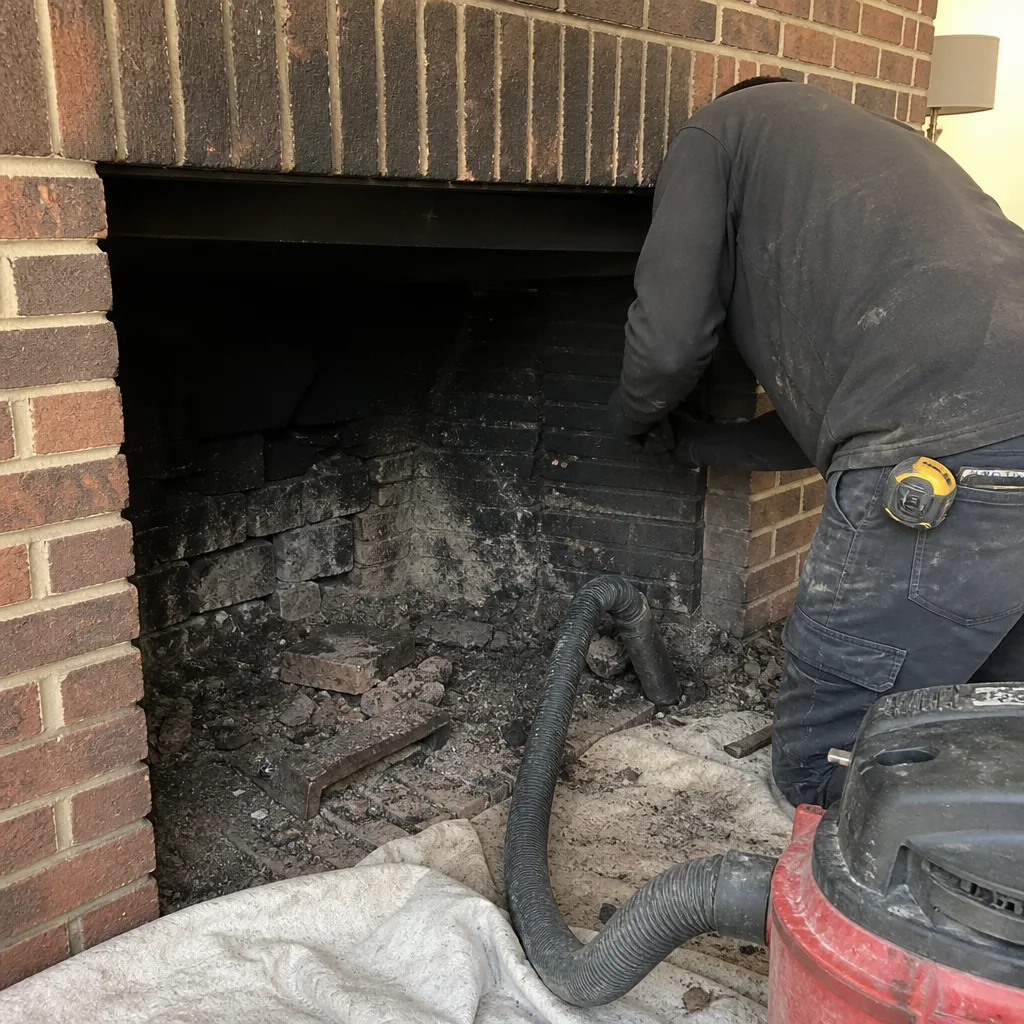
A professional cleaning reaches every surface that combustion byproducts touch: the firebox walls, the damper and throat area, the smoke chamber, the flue from bottom to top, and the top of the chimney where the cap sits. The process runs in a defined order, and skipping steps is how soot ends up in your living room instead of in the vacuum.
- Setup and containment. Drop cloths go down, the work area is sealed off, and a high-efficiency vacuum runs continuously to keep dust and soot out of the room.
- Damper and firebox check. The damper is opened and its operation confirmed. The firebox and smoke chamber are examined for cracks, loose mortar, and heavy deposit before any brushing begins.
- Flue brushing. The correct brush for the liner material and flue size goes down from the top or up from the bottom depending on access. The brush has to match the flue, or the cleaning is either incomplete or unnecessarily rough on the liner.
- Smoke chamber and damper cleaning. The sloped surfaces above the damper collect deposits that many quick sweeps skip. It’s arguably the most important surface to get right, because a rough smoke chamber degrades draft.
- Debris removal. Ash, soot, and any creosote that has fallen into the firebox are bagged and removed, not left in the hearth.
- Inspection and written report. The flue, liner, crown, cap, flashing, and exterior masonry are checked and the findings recorded. Every sweep we do includes a full-system inspection and a written record of what we found.
Sweeping equipment is only half of it. The technician’s eyes and a camera are the other half, because deposits, cracks, and gaps between liner tiles are frequently invisible from the firebox floor. If the report recommends a repair, we’ll show you what the camera saw before we ask you to approve anything. Nothing gets recommended without evidence you can see for yourself.
The Three Levels of Chimney Inspection and When Each Applies
Chimney inspections aren’t one-size. The industry classifies them in three levels, and knowing which level applies to your situation keeps you from paying for a service you don’t need or missing one you do. Here’s how each level works and when it typically comes up in a Winston-Salem home.
Level 1 inspection. A visual check of the readily accessible parts of the chimney and venting system, done without special tools. This is the standard inspection that pairs with a routine annual sweep. It covers the firebox, damper, visible flue from the firebox, and the accessible exterior. If you burn wood regularly and nothing has changed since your last visit, a Level 1 is usually enough.
Level 2 inspection. This is the level that applies whenever something has changed: a home sale, a change in fuel type, a new appliance installation, a chimney fire, or an event like a building fire or earthquake nearby. The technician uses video scanning to see the full interior of the flue, and it includes checking accessible attic, crawlspace, and rooftop areas. If a home in Winston-Salem is being sold, the buyer or lender often requires a Level 2, and it’s the level that catches liner cracks the eye alone would miss.
Level 3 inspection. The most involved level, used when a serious condition is suspected and parts of the chimney or surrounding structure need to be accessed behind drywall, masonry, or other coverings. This is not a routine service. It’s reserved for the cases where a Level 2 found a problem that can only be diagnosed further by opening up the system.
In our experience, the two questions that decide the level are: what changed since the last inspection, and what’s being asked of the chimney now. A homeowner who has burned wood the same way for years gets a Level 1. A homeowner preparing to list the house, or who just installed a gas insert, gets a Level 2. When you book a chimney sweep, tell us what’s changed so we can book the right level of inspection with it.
Creosote Staging and Why It Changes the Whole Job
Creosote is the residue of incomplete combustion, and it comes in different textures depending on how it formed. Not all creosote is equal, and the stage it’s in determines whether the job is a routine cleaning or a repair scope. Stage 3 breaks down like this:
- Stage 1 creosote is loose, flaky, and soot-like. It brushes off easily and is what most regular sweeps deal with. This is the deposit that accumulates and should be removed before it has time to accumulate further.
- Stage 2 creosote is denser, often partially glazed, and sticks to the liner more stubbornly. It needs more mechanical effort to remove and is a sign that the appliance or burning habits are producing more unburned material than they should.
- Stage 3 creosote is the hard, glazed, tar-like coating that forms after repeated deposits have been baked onto the liner. It’s the stage most associated with chimney fire risk because of how hot it can burn when it ignites. Removing it is not a standard sweep and can damage the liner if handled without the right tools and judgment.
- Glaze repair and liner protection become part of the conversation at higher stages. Where a clay tile liner has cracks or gaps, ceramic sealant systems like HeatShield can restore a smooth, protected surface without a full reline. That’s a specialized process, and it’s one we handle in-house because most general services don’t carry the material or the training to apply it correctly.
Here’s the practical upshot: a cleaning estimate is only accurate once the technician has seen the creosote. A Stage 1 sweep is straightforward. A Stage 3 flue may need repair work, a reline with a flexible DuraFlex liner sized to the appliance, or a more involved removal process before the chimney is safe to use again. Anyone quoting you a number before looking at the deposit is guessing. We’d rather look first and tell you what’s actually there.
How to Read a Chimney Sweep Report
After the sweep, you should get more than a receipt. You should get a written record of what was found and a clear separation between what needs attention now and what needs watching. Reading that report well is the difference between spending money on the right repair and spending it on the wrong one.
- Look for the condition categories. A good report separates findings into urgent, schedule-within-a-season, and monitor. If everything on the page reads as urgent, that’s a signal to ask questions before signing anything.
- Find the flue findings specifically. Note any mention of cracks, gaps between tiles, missing mortar joints, or a liner that’s too large for the appliance. These are the findings that shape repair scope.
- Check the crown, cap, and flashing. These are your water management system. A cracked crown or a missing cap is often a quick fix that prevents a much larger masonry problem later.
- Look for the creosote stage recorded. If the report notes the creosote stage, that’s the line item that tells you how the next cleaning should be scheduled.
- Look for camera evidence or photos. A finding you can see is a finding you can trust. If the report recommends liner work, ask to see the footage or images that support it.
- Compare recommendations against what you can verify. If a repair is recommended, the report should explain why and what happens if it’s deferred. Some findings can safely wait a season. Some can’t. The report should say which is which.
This is where the single-company model pays off. The team that inspects, sweeps, and repairs is one team with one standard of work, so the report isn’t a handoff to somebody else who then quotes their own scope. You get one record and one conversation. If the findings call for a cap or damper replacement, we install Gelco and Famco caps and dampers built for longevity, not the thin covers that need re-servicing after a couple of seasons.
How Often Should You Clean a Chimney in Winston-Salem?
For most homes burning wood regularly, the answer is once a year. That’s the baseline recommendation that holds across the industry, and it holds in Winston-Salem because the wood-burning season here produces enough deposit over a winter to justify an annual sweep before the next season starts. If you burn only occasionally, once a year is still the right starting point because the inspection it includes catches problems that have nothing to do with how often you light a fire.
The schedule changes when the usage changes:
- Heavy wood use (regular fires through the cold months) may need a sweep before the season starts and a check after the season ends, depending on how the fire is burned and what the creosote stage tells you.
- Gas inserts and pellet stoves follow the appliance manufacturer’s recommendations and the venting configuration. These aren’t zero-maintenance systems just because they produce less creosote; the venting still needs inspection.
- Any change in fuel, appliance, or lineup warrants an inspection before assuming the old schedule applies. The flue that handled wood well may be oversized or incorrectly lined for the new appliance.
- A home sale almost always triggers a Level 2 inspection regardless of when the last sweep was done, because the buyer and the lender want to see the condition of the system on paper.
One more thing about timing. The best time to book a sweep is before burning season, not mid-season when the chimney is already loaded and everyone else has the same idea. If you’ve been told by your insurer that the chimney needs attention, or you’re preparing to list the house in Winston-Salem, get the inspection on the calendar early so any repair work has time to get done without a rush. The written estimate sets the price, and the estimate is free.
What You Can Safely Check Yourself (and What You Can’t)
There’s a short list of things a homeowner can check without specialized equipment, and a longer list that should be left alone. Knowing which is which keeps you safe and keeps the technician’s job simpler when they arrive.
What you can check:
- Damper operation. Open and close the throat damper from inside the firebox. It should move freely and seal when closed.
- Visible firebox condition. Look for cracked brick, loose mortar, or gaps in the firebox walls. Note what you see and show the technician.
- Cap and crown from the ground. With binoculars from a safe distance, check whether the cap is in place and whether the crown looks intact. Don’t climb on the roof to do this.
- Signs of draft problems. Smoke rolling into the room, lingering smells when the fire isn’t lit, and a fire that’s hard to start can all point to draft issues worth mentioning.
- Bird or animal evidence. Nests and debris at the top of the flue are visible if you can see the cap clearly. Don’t reach into the flue to investigate.
What you cannot check safely: the interior surface of the flue, the smoke chamber above the damper, the condition of the liner behind the masonry, and any crown or flashing issue that requires getting on the roof. Steep-roof and height work is a genuine fall hazard, and the flue interior is invisible without a camera. This is the part where a trained professional matters. There’s no safe DIY path to seeing the inside of a flue, and the findings that drive repair scope all come from that view. Our technicians have up to 9 years of experience, and they carry the camera equipment and specialized materials (HeatShield, Olympia Chimney components, and others) that turn a visual opinion into an evidence-based recommendation.
Common Mistakes to Avoid
- Treating a cheap sweep as the whole job. A price that covers brushing the flue but skips the smoke chamber, damper, and inspection leaves the most consequential parts of the system unchecked. The cleaning receipt is not the deliverable. The written condition report is.
- Ignoring the crown and cap until they fail. Water damage from a cracked crown or missing cap is one of the slowest and most expensive problems to fix in older masonry. In a climate with seasonal freeze-thaw, a small crack becomes a big one faster than most homeowners expect.
- Burning unseasoned wood to save a season. Green or damp wood produces more creosote for the same heat, which accelerates deposit formation and pushes the chimney toward Stage 2 or Stage 3 creosote sooner. Seasoned wood costs less in the long run than the extra cleaning.
- Assuming a gas insert means no chimney maintenance. Gas appliances need venting checks, and an older wood flue sized for an open hearth is often the wrong size for a modern insert. The fuel changed, so the venting requirements changed with it.
- Skipping the Level 2 inspection at a home sale. A Level 1 visual check doesn’t see inside the flue. If the buyer’s lender or insurer requires documentation of liner condition, an inspection that can’t show it will come back as a problem at the worst possible moment.
- Putting off a Stage 3 creosote recommendation because it sounds expensive. Glazed creosote is the deposit most associated with chimney fire risk, and the removal scope grows rather than shrinks with time. Deferring the work doesn’t defer the risk.
- Calling a general handyman for chimney-specific work. Liner repair with ceramic sealant, flexible liner installation, and cap and damper fitting require the right materials and the training to use them. A generalist may do the visible part and leave the system no better than before.
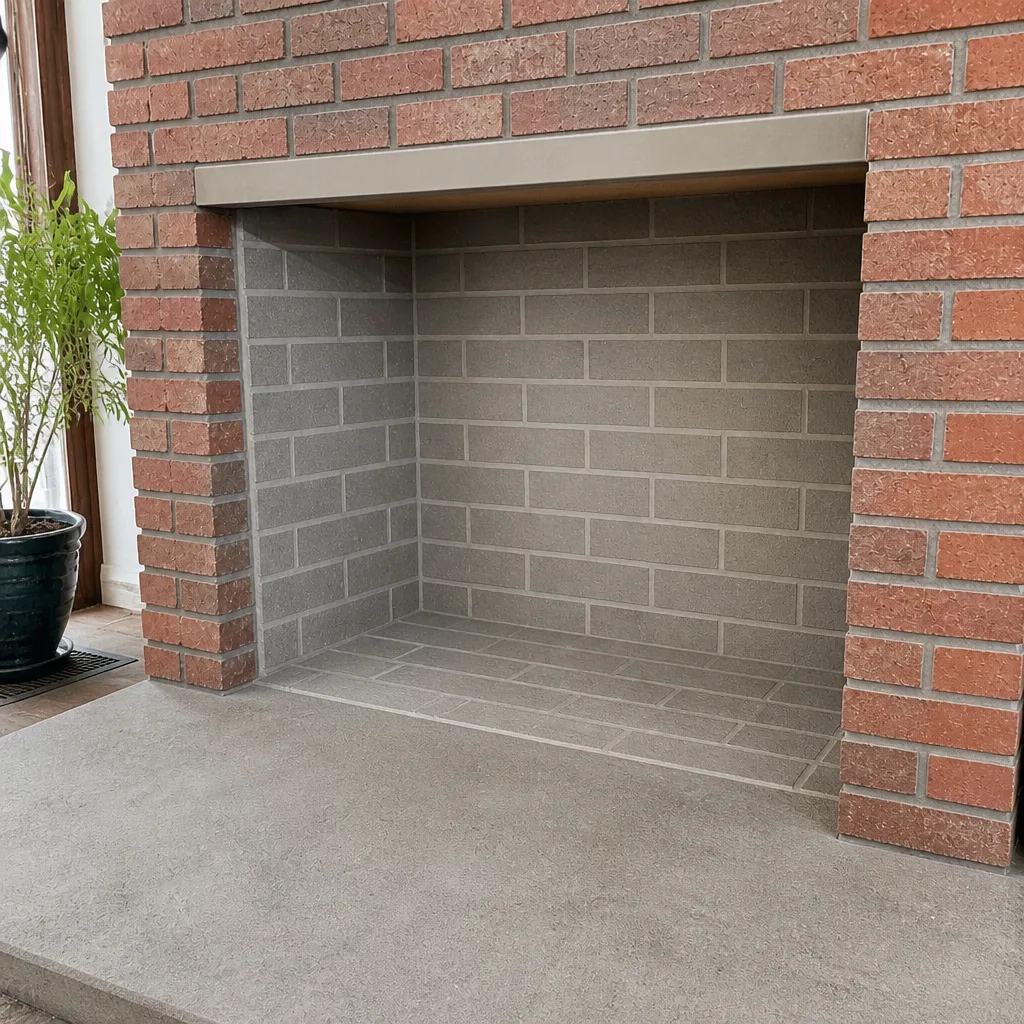
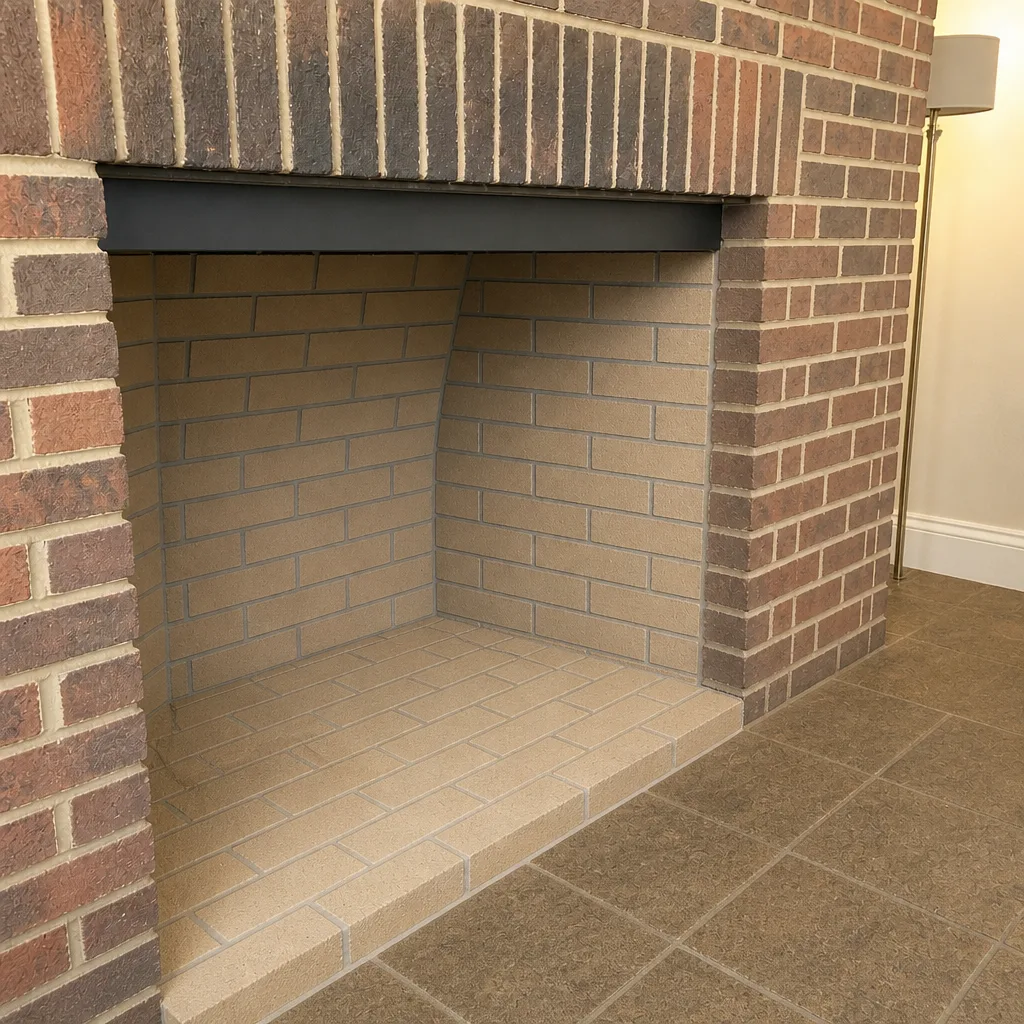
See the difference
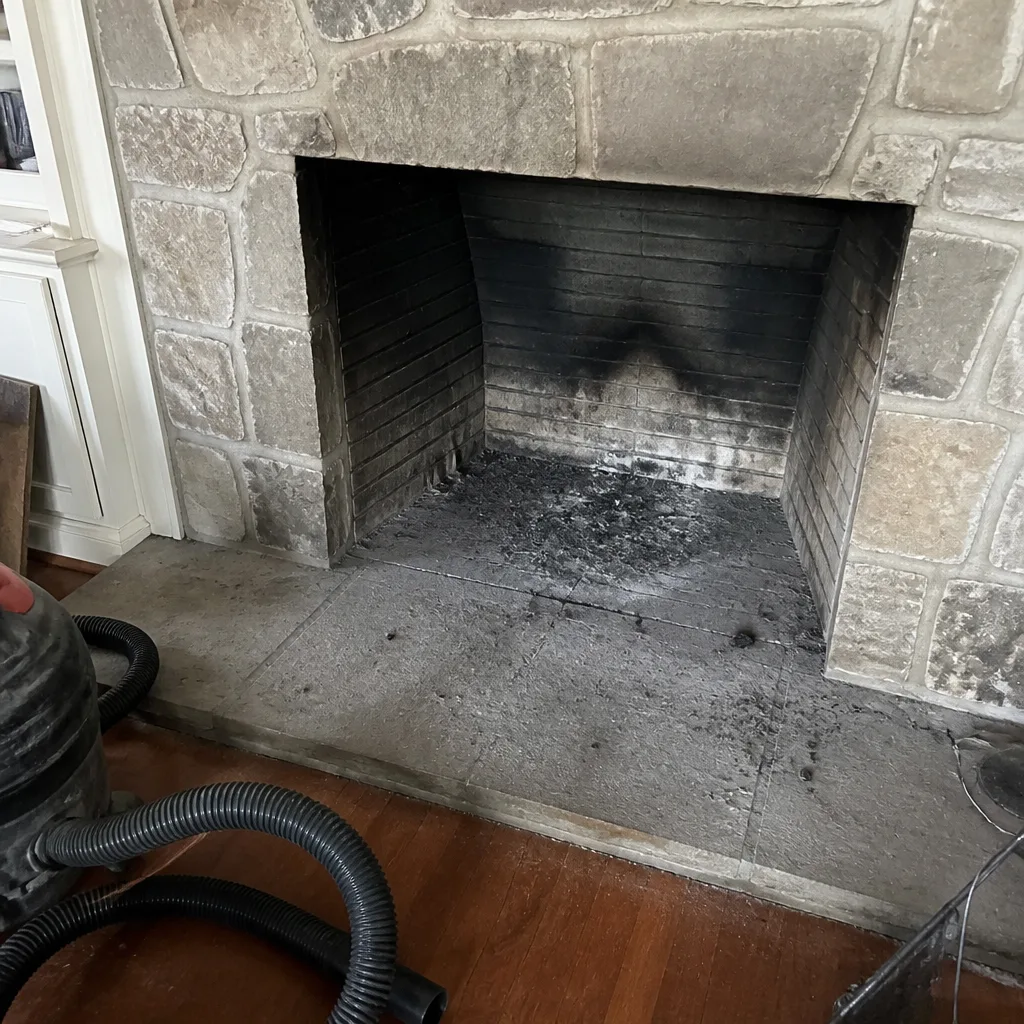 Before
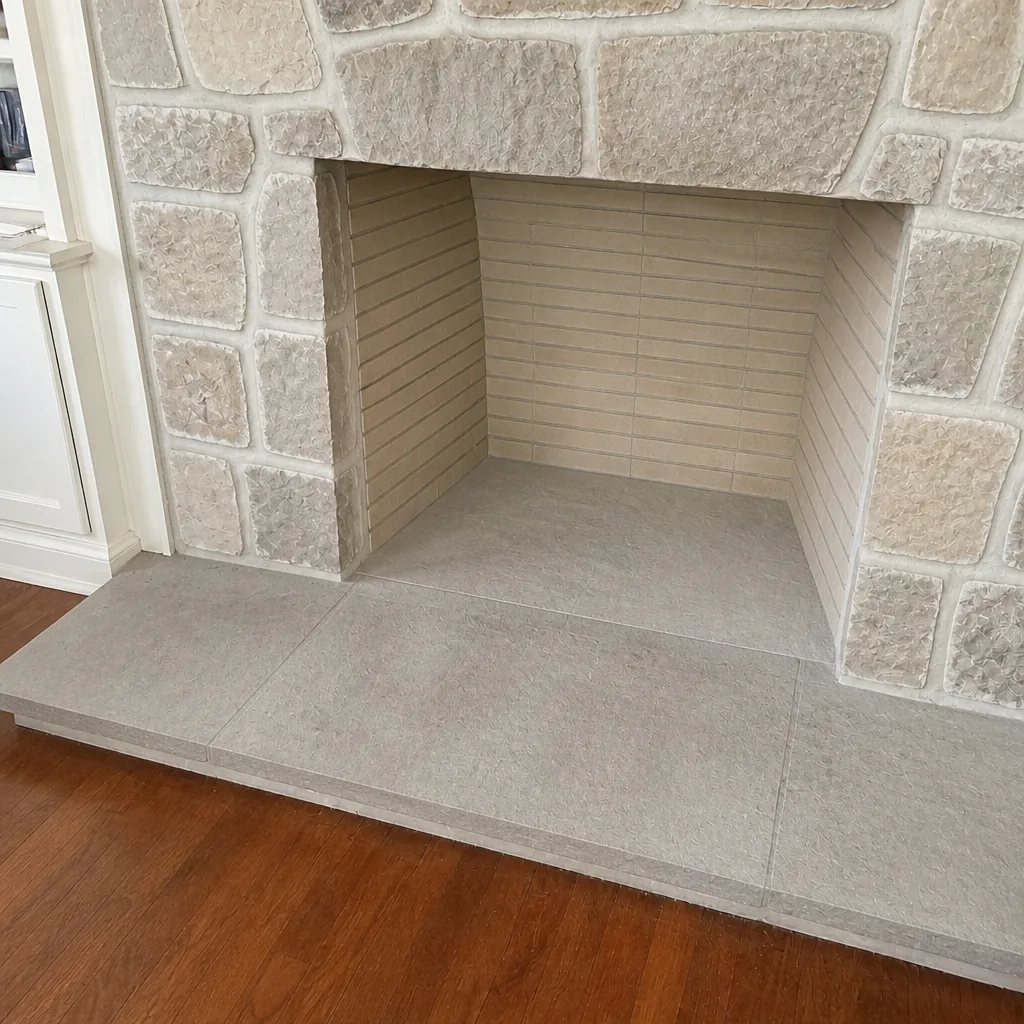 After
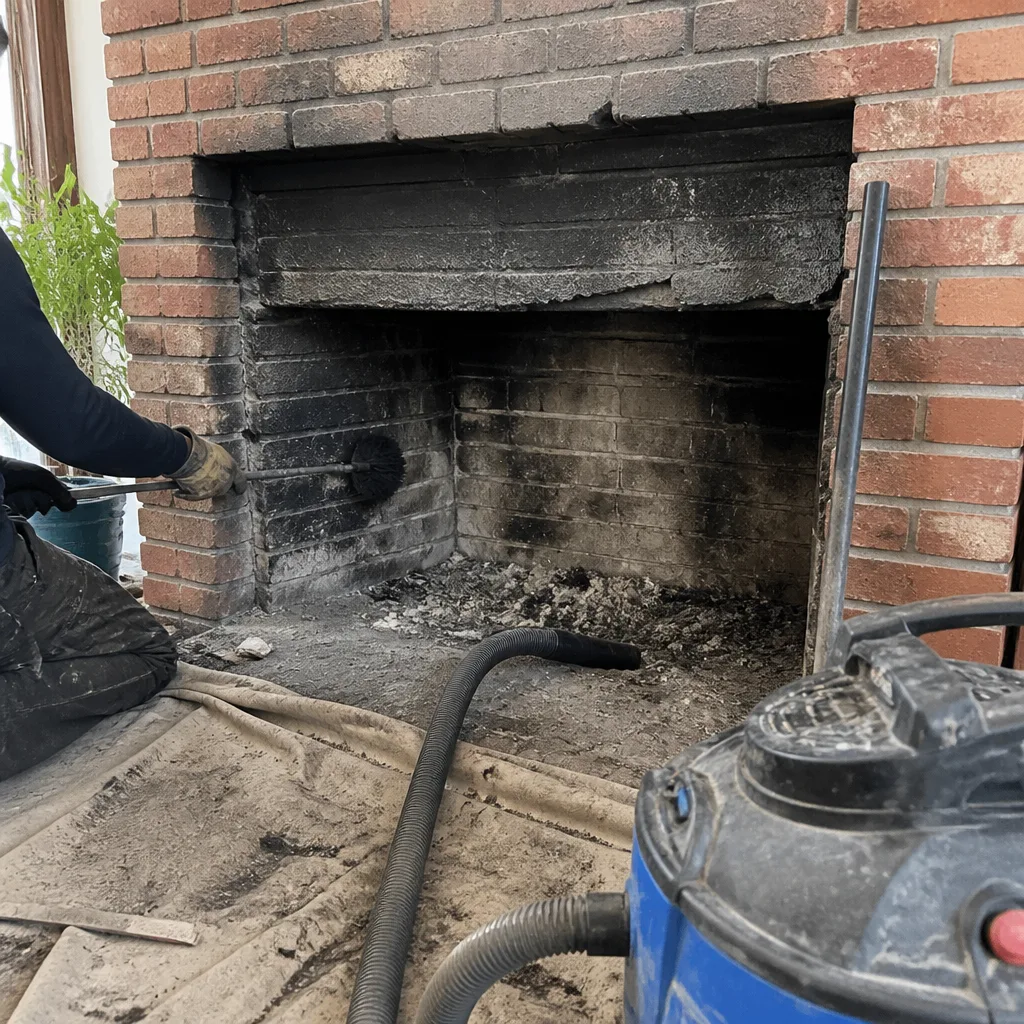 Before
 After
 Before
 After
When to Call a Professional
Book a professional sweep and inspection when you’ve burned through a season of wood and haven’t had the flue checked; when you’re preparing to sell a home in Winston-Salem and need a Level 2 inspection on record; when your insurer has flagged the chimney as a condition of coverage; when you’ve changed fuel types or added an insert or pellet stove; when you notice smoke rolling into the room, a persistent smell when the fire is out, or a damper that won’t move freely; and any time you suspect a chimney fire has occurred, even a small one. Those are the situations where eyes and camera equipment on the inside of the flue are the only way to know what’s actually going on. Jasper Chimney Sweep offers free estimates in Winston-Salem. Call (866) 343-2983. We answer 24/7. Fast dispatch from 7am to 7pm, Sunday through Friday. Our team handles sweeping, inspection, and repair as one connected service, so nothing gets handed off between contractors.
Frequently Asked Questions
Chimney cleaning in Winston-Salem is priced per job by a written estimate after the technician sees the flue, because the creosote stage and the condition of the smoke chamber and damper determine the actual scope. A straightforward Stage 1 sweep costs less than a cleaning that also involves glazed creosote removal or liner repair. The estimate is free and the written estimate sets the final price. Call (866) 343-2983 for an exact quote.
Not always. A liner is recommended when the camera shows cracks, gaps between tiles, or a flue that’s too large for the appliance venting into it. Sometimes ceramic sealant repair with HeatShield restores the existing liner instead of replacing it. We won’t recommend liner work without showing you the footage that supports it, and we’ll tell you plainly if the condition can wait. Let the evidence decide, not the sales pitch.
Once a year for most homes burning wood, and that annual visit should include an inspection, not just a brushing. Homes burning heavily may need a mid-season check, gas and pellet appliances follow manufacturer recommendations, and any change in fuel or appliance calls for an inspection before assuming the old schedule still applies. Call (866) 343-2983 to book the right service for your setup.
Creosote keeps accumulating, and the longer it sits, the further it moves from Stage 1 flaky deposit toward the glazed Stage 3 coating associated with chimney fire risk. Moisture intrusion through a failed crown or cap also worsens with time, damaging masonry and clay tile liners. Skipping the sweep doesn’t stop the clock. It makes the eventual repair scope larger.
A Level 1 is a visual check of readily accessible chimney parts, typically paired with a routine annual sweep. A Level 2 adds video scanning of the flue interior and is required whenever something has changed: a home sale, a fuel or appliance change, or a suspected chimney fire. If you’re selling a home in Winston-Salem, you’ll usually need a Level 2. Call (866) 343-2983 and we’ll book the correct level.
You can check the damper, inspect the firebox, and look at the cap from the ground. You can’t safely see the interior of the flue or the smoke chamber, and roof work on a steep pitch is a real fall hazard. The findings that drive repair scope come from a camera view of the flue interior. That’s a professional job, not a homeowner one.
The Bottom Line
Cleaning a chimney in Winston-Salem is about restoring a system, not clearing a pipe. The homes here are older and the fuel mix has changed since many of them were built, so the question isn’t just whether the flue needs brushing, but whether the liner, smoke chamber, crown, and cap still work together for what you’re actually burning. Schedule a sweep before burning season, get a written inspection report with it, and read the report for the difference between urgent and watch-and-wait. When a repair is recommended, ask to see the evidence. Jasper Chimney Sweep handles inspection, cleaning, and repair with the professional-grade materials certified technicians rely on. Call (866) 343-2983 for a free estimate. We answer 24/7. Fast dispatch from 7am to 7pm, Sunday through Friday.
Written by the team at Jasper Chimney Sweep.