
Last updated November 16, 2026
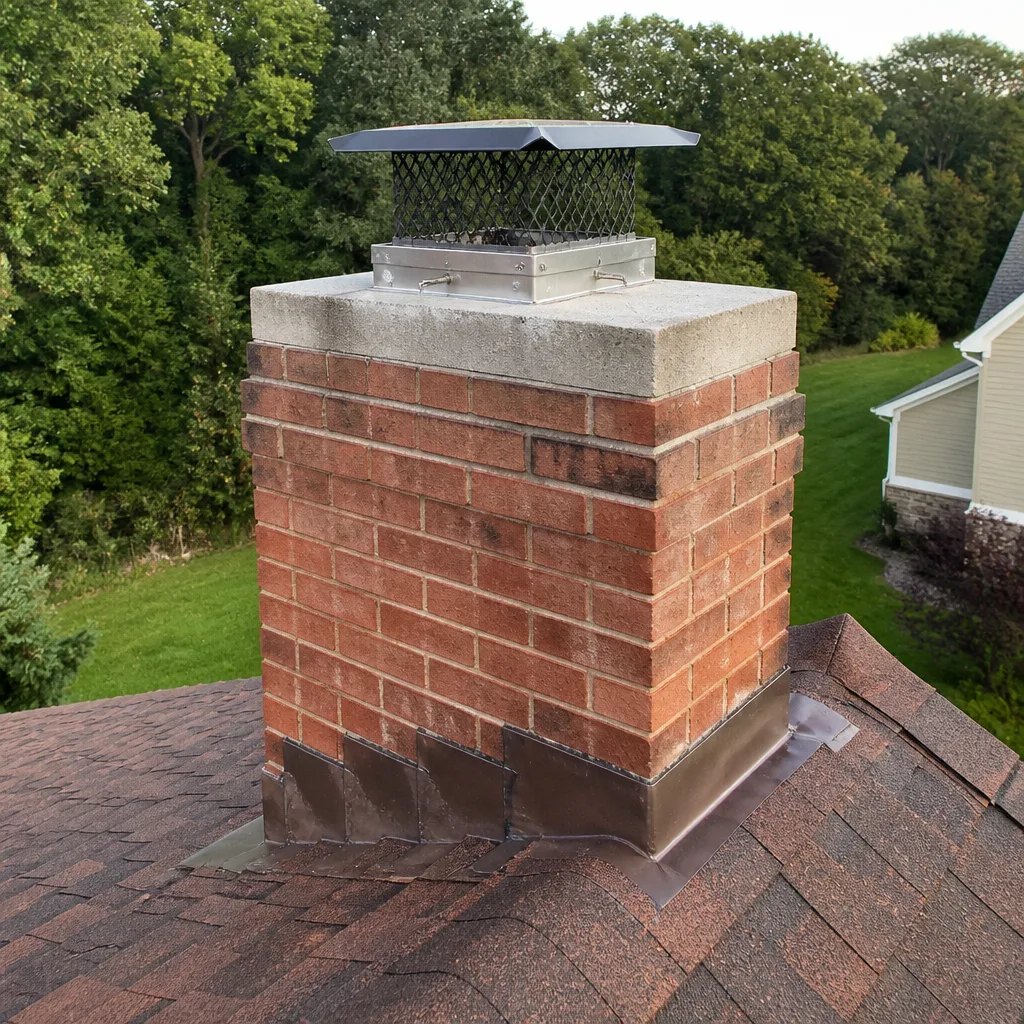 Sweep & inspection
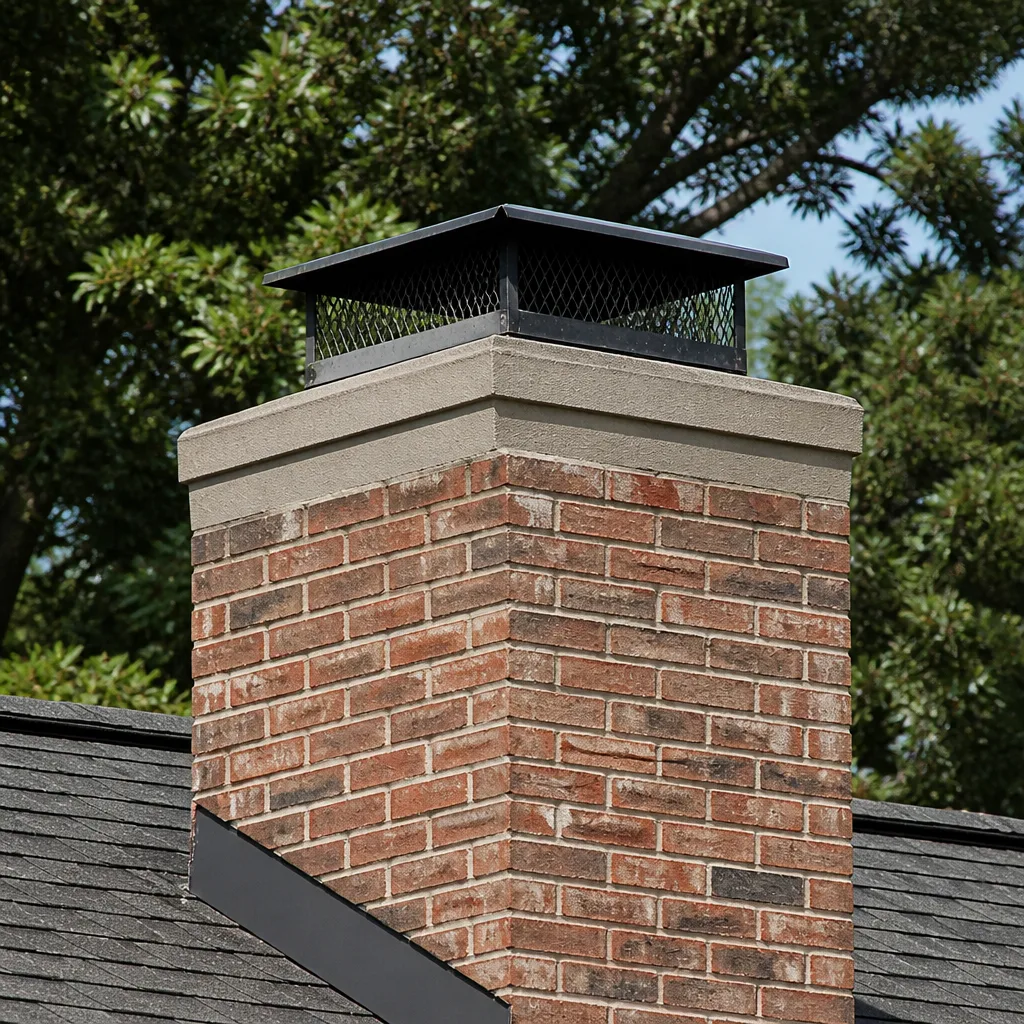 Caps & crowns
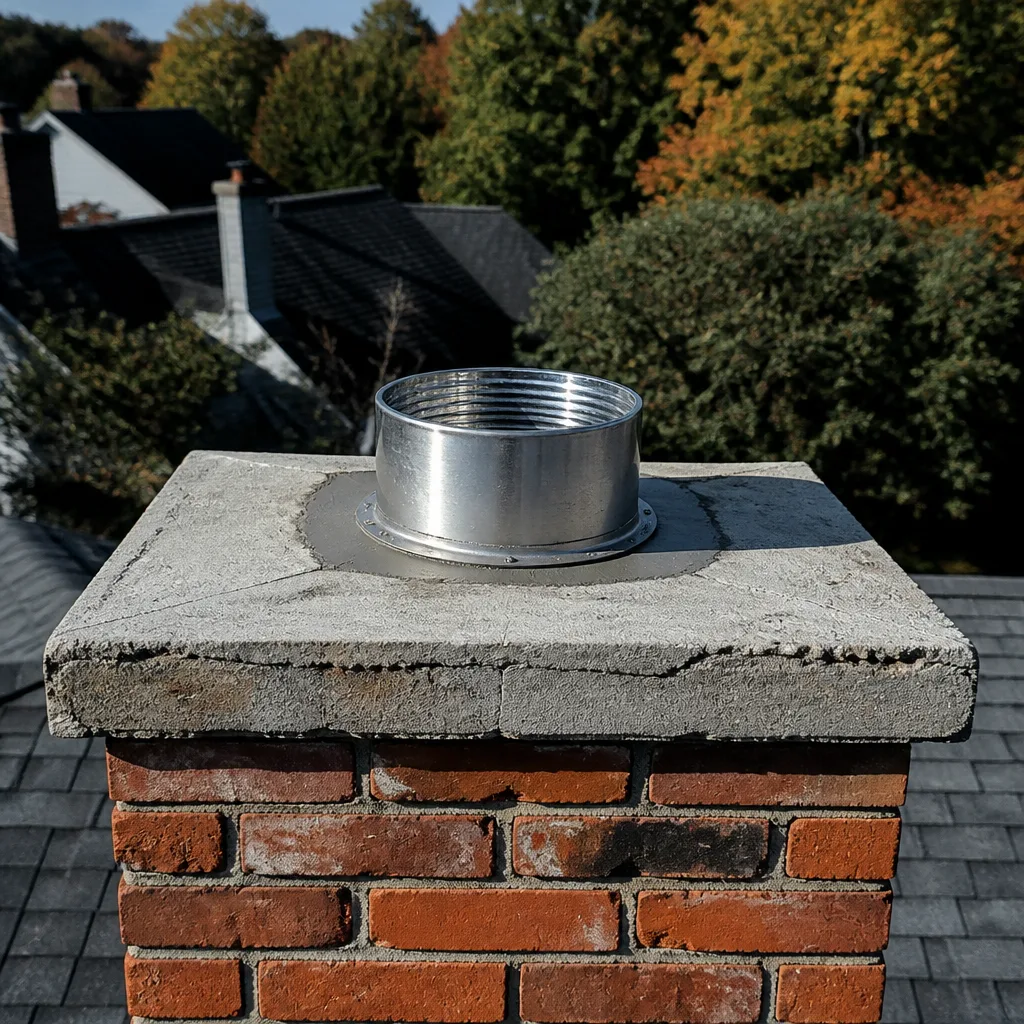 Flue relining
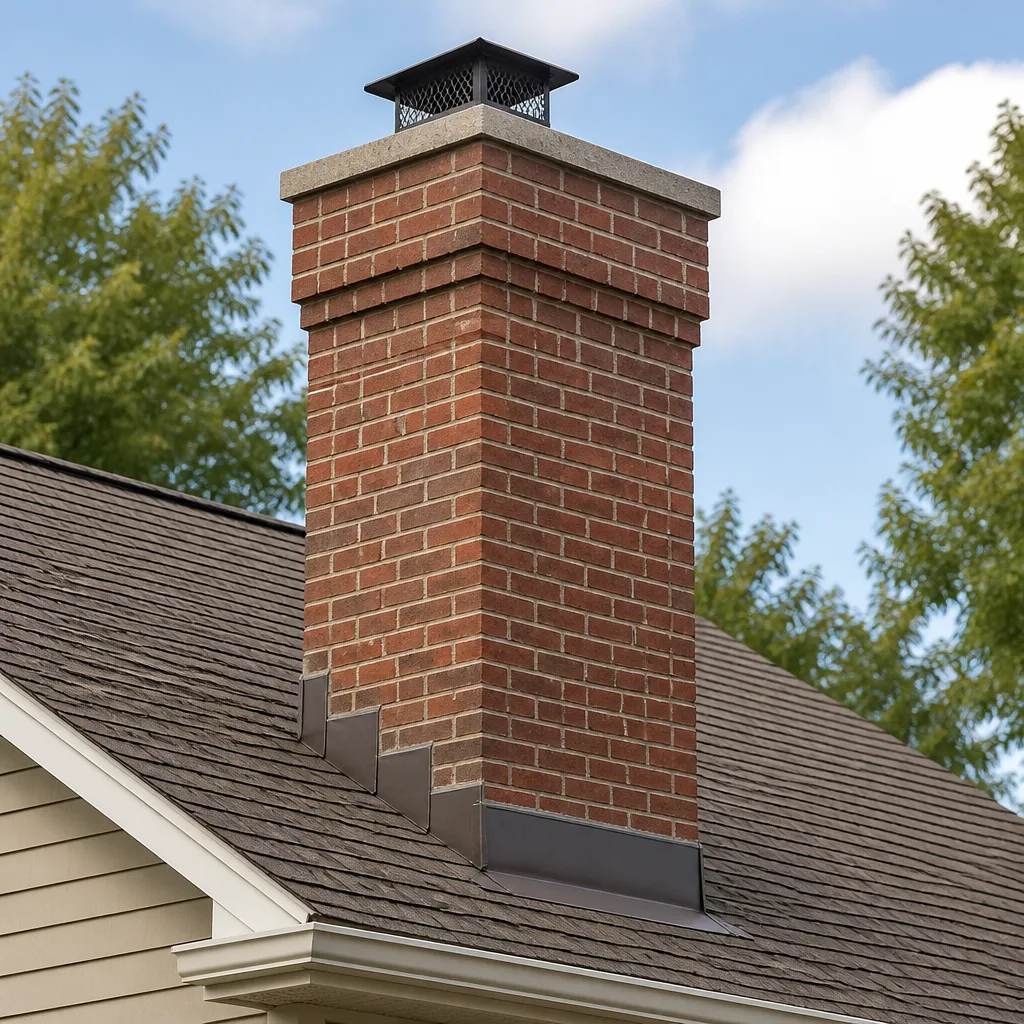 Masonry repair
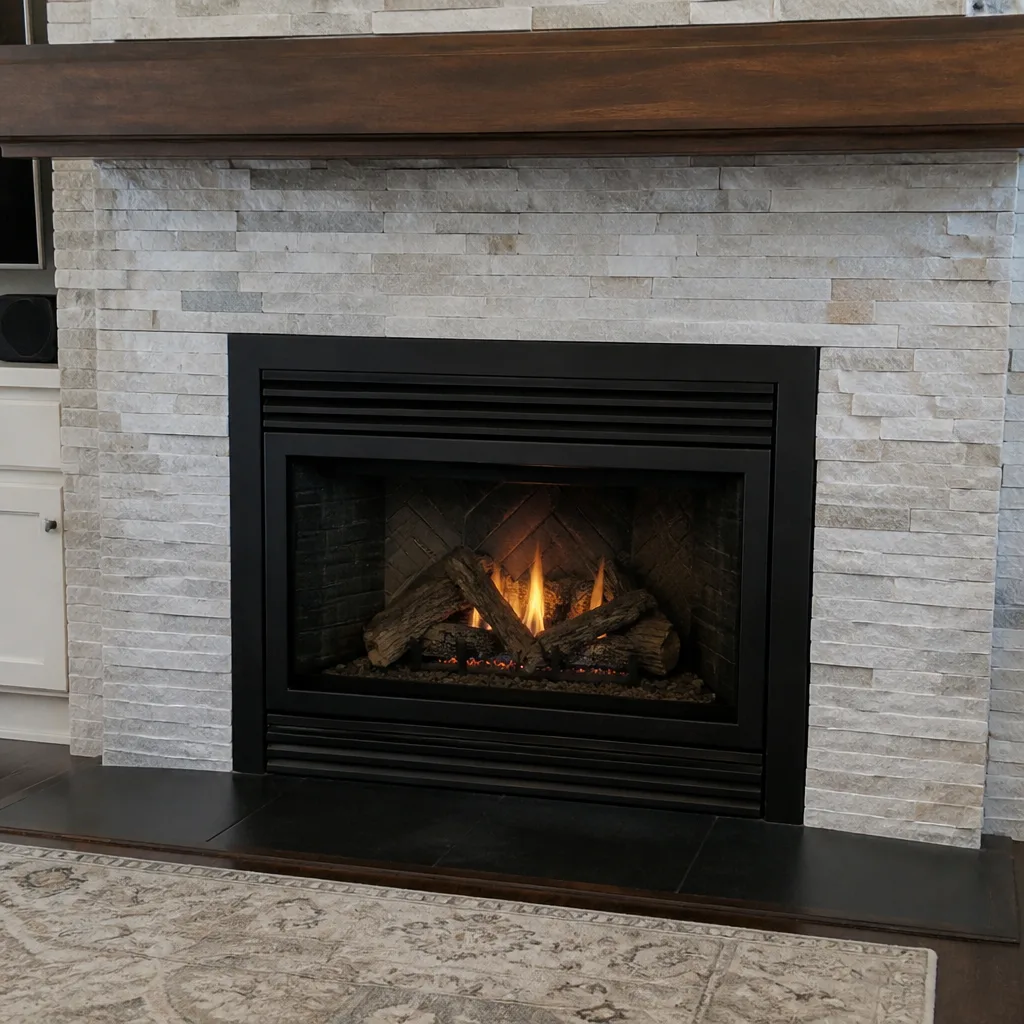 Gas fireplace service
Level 1 sweep and inspection to the NFPA 211 annual standard - flue, crown, cap, and flashing checked and photographed
Chimney sweep logs do not sweep chimneys. They loosen some creosote - which then falls where a brush and vacuum still have to collect it.
Choosing the Right Chimney Cleaning Brand: A Buyer’s Guide for Winston-Salem
When a chimney company quotes you a liner replacement, they haven’t told you anything meaningful until they tell you what brand and what gauge. Two liners can look identical from the driveway and behave nothing alike inside a hot flue. One holds up for decades, the other can fail within a few years if the alloy doesn’t match your fuel type. That gap is where money gets wasted and where a second repair starts the day the first one ends. This guide is about closing that gap. We’ll walk through which materials actually matter, how to read a quote like a technician does, and what to ask before anyone touches your flue. If you burn wood in Winston-Salem, this is the part of the conversation most companies skip.
Quick Answer
The right chimney cleaning brand is the one that tells you exactly which professional-grade materials it uses – not just the name of the service. Ask for the specific brand and gauge of any liner, the sealant system for smoke chamber repair, and the make of any cap or damper. In Winston-Salem, a company that can name DuraFlex for flex liners, HeatShield for smoke chamber resurfacing, and Copperfield or Gelco for caps is showing you its technical spec sheet, not a sales pitch. The brands matter because their performance is tested and documented; a generic substitute is a guess.
Styles & brands we work with
- Sweep & inspection
- Caps & crowns
- Flue relining
- Masonry repair
- Gas fireplace service
Table of Contents
- Why Chimney Materials Are a Specification, Not a Commodity
- Flex Liners: What DuraFlex Tells You That a Generic Import Doesn’t
- HeatShield vs. Standard Parging: What Smoke Chamber Resurfacing Really Does
- Caps, Dampers, and Crowns: Lifespan and Warranty Differences
- How to Ask a Contractor What They’re Using (and Cross-Reference It)
- How to Verify a Company Actually Stocks and Uses Professional Brands
- What Winston-Salem Homeowners Specifically Should Know
- Common Mistakes to Avoid
Why Chimney Materials Are a Specification, Not a Commodity
A chimney liner is not a generic pipe. It’s a corrosion barrier, a draft channel, and a fire-containment system all at once, and each of those jobs depends on the alloy, the wall thickness, and how the seams are formed. That’s why manufacturers publish data sheets with alloy composition, temperature ratings, and installation requirements. A contractor who can’t tell you which of those specs they’re installing is guessing on your behalf.
The difference shows up in a few specific ways:
- Alloy grade. A liner for a wood-burning flue has different corrosion demands than one for an oil appliance. The wrong grade in the wrong flue shortens the liner’s life even if the installation looks perfect.
- Wall thickness. Thicker isn’t automatically better, but undersized material is a real risk with cheap imports, and the difference is impossible to eyeball from the bottom of the chimney.
- Seam construction. A liner that isn’t sealed properly leaks flue gases in places a camera will find later and a quote won’t mention now.
- Documentation. Professional manufacturers publish installer manuals, warranty terms, and product data. Generic imports often ship with no spec sheet at all.
In Winston-Salem, we see a lot of older masonry chimneys in neighborhoods like Ardmore, West Salem, and Washington Park, where a liner has to fit a flue that was never perfectly square. That fit is where material quality gets tested. A flexible liner from a known manufacturer will seat correctly in an irregular clay flue; a thinner generic liner can kink, tear, or fail to seal at the top plate. The material is the specification.
When we treat a chimney as a system, the first question is always what the flue needs, not what’s on sale that month. If you want to see how that approach plays out in a full service, our chimney sweep page covers the inspection-and-cleaning side of the work.
Flex Liners: What DuraFlex Tells You That a Generic Import Doesn’t
DuraFlex is one of the professional-grade flexible liner systems we install, and the reason it matters is that it comes with published specifications the installer has to meet. The alloy, the wall thickness, and the installation method are all documented by the manufacturer. A generic import often runs the same visual design with none of the technical backing.
Here’s how a liner decision should actually go, in order:
- Inspect the flue first. A camera inspection checks for offsets, cracks in the clay tile, and any previous liner that needs to come out. You can’t size a liner until you’ve seen the flue.
- Match the alloy to the fuel. Wood, gas, and oil appliances call for different corrosion resistance. The appliance type decides the spec.
- Size the liner to the appliance. A liner too large for the appliance drafts poorly; too small and it can’t handle the exhaust volume. The appliance manufacturer’s venting requirements set the target.
- Insulate where the flue requires it. An insulated liner keeps flue gases above the condensation point and protects against heat transfer to nearby combustibles.
- Seal the top and bottom. A cap plate at the crown and a proper appliance connection at the bottom finish the job. Anything less is an open gap.
DuraFlex liners are built for that full sequence, and their installation resources tell the installer exactly what’s required. Generic liners leave those decisions to whoever’s on the roof, which is where a repair that should last decades turns into a re-do within a few years. We’ve seen the failure pattern more than once in Winston-Salem: a liner installed with the wrong alloy for the appliance, still looking brand-new from the outside, already compromised on the inside. If you want to read more about how we approach the repair side, our chimney repair page covers the process in detail.
HeatShield vs. Standard Parging: What Smoke Chamber Resurfacing Really Does
HeatShield is a ceramic sealant system designed specifically for repairing the smoke chamber, and it’s the material most generalist services don’t carry. The smoke chamber is the tapered space above the damper and below the flue, and its shape matters for draft and its surface matters for fire safety. Standard parging – slapping mortar on the chamber walls – can smooth a rough surface, but it doesn’t give you the same tested performance.
What HeatShield does differently:
- It’s applied in layers to build a smooth, correctly shaped surface, which improves draft and reduces turbulence.
- It’s formulated for the heat and chemical exposure inside a smoke chamber, so it holds up where ordinary mortar can crack and spall.
- It’s documented by the manufacturer, with a known application process, so an installer either knows the method or doesn’t.
The practical difference for a homeowner is this: a smoke chamber with rough, jagged surfaces slows the smoke down and gives creosote more surface area to collect on. Over time, that’s where a chimney fire gets its fuel. Resurfacing with the right product is part of reducing that risk, and it’s a technical job, not a cosmetic one.
In our experience, this is where a quote tells you the most about a company. If a contractor can explain the smoke chamber, name the material they’d use, and describe the application steps, they’ve done the work before. If they offer to “parge it smooth” without naming a system, that’s a signal to ask more questions. The stack of work in Winston-Salem’s older homes often includes smoke chamber repair on top of a sweep, and it needs to be done by whoever inspected it, not handed off mid-project.
Caps, Dampers, and Crowns: Lifespan and Warranty Differences
A chimney cap is not a decorative lid. It keeps rain, snow, and animals out of the flue, and it protects the crown from freeze-thaw damage. The difference between a professional-grade cap and a contractor-grade one is usually the material and the gauge – and the difference shows up after the first few winters, not the first month.
Here’s how the components stack up:
- Chimney caps. Gelco and Copperfield caps are built with heavier gauge stainless and multi-point attachment, which keeps them on the chimney through wind and ice. Thin caps rattle loose and need re-securing within a couple of seasons.
- Top-sealing dampers. A top-sealing damper sits at the crown and seals the flue when not in use, which stops heat loss and keeps animals out. Gelco and Famco make dampers built for that duty cycle. Cheap versions seize or don’t seal fully.
- Crowns. A crown is the concrete cap on top of the masonry. Cracked crowns in Winston-Salem take a beating from freeze-thaw cycles, and a proper crown repair uses a flexible sealant that moves with the masonry instead of cracking again in a season.
- Warranty terms. Professional manufacturers publish warranty language you can actually read. Generic caps often come with no written warranty at all, which makes a “guarantee” a conversation, not a document.
“Built to last, not built to bring you back next season for the same fix” is the standard we hold ourselves to. A cap that lasts a season is a repair that costs you twice. That’s the reason we install Gelco and Famco, and why we’d rather explain the spec up front than replace the same cap next year.
How to Ask a Contractor What They’re Using (and Cross-Reference It)
You don’t need to become a chimney technician to ask better questions. You need to know what a real answer sounds like, and what a vague one sounds like, and then check the difference yourself. Quality manufacturers publish installer resources and product data sheets you can read on your own phone in five minutes.
Here’s a usable script, in order:
- “What brand and gauge liner are you quoting?” A real answer names a brand and a spec. A vague answer is “a stainless liner.”
- “What’s the alloy and why does it match my appliance?” This is the question that separates installers who spec from installers who install whatever they have.
- “What sealant system do you use on a smoke chamber?” A specific answer names it. “We parge it smooth” without a product is a warning sign.
- “Who makes the cap and damper, and what’s the warranty?” If they can’t tell you, they haven’t installed that many.
- “Can I see the manufacturer’s spec sheet before we book?” A company that uses professional brands will hand you documentation without hesitation.
Then do the cross-reference. Search the brand name along with “installer” or “technical data” and you’ll find the manufacturer’s own site. Compare what you’ve been told against what’s published. If the installer said DuraFlex and the data sheet confirms the application method for your appliance, you’re comparing apples to apples. If the installer named a brand you can’t find any documentation for, that’s your answer.
And if the quote is for liner work, ask to see the flue on camera. Any company that inspects should be able to show you what they saw. Our Jasper Chimney Sweep team walks through the full inspection with you before any work is booked.
How to Verify a Company Actually Stocks and Uses Professional Brands
Naming a brand and actually using it are different claims, and it’s worth knowing how to tell them apart. The good news is that verification is mostly about paperwork and process, not about trusting a conversation on your porch.
Three things to check:
- Ask to see the manufacturer’s installation instructions. Professional brands publish them. If the installer can’t produce one, the spec isn’t part of the job.
- Look at how the quote is written. A line item that names the brand, the gauge, and the application method is a specification. A line item that says “liner install” with no detail is a placeholder.
- Ask who’s doing the work. A company that sweeps, inspects, and repairs in-house is accountable for the whole result. A company that subcontracts the liner install to another crew and the sweep to another is passing the ball, and “who’s responsible” gets hard to answer when something fails.
That last point is the reason we handle all three services under one roof: inspection, sweeping, and repair. The team that inspects is the team that sweeps and repairs, so a spec written during inspection is the spec installed on the roof. When you get an estimate in Winston-Salem, ask which parts of the job go to a subcontractor. If the answer is “none,” you’re dealing with a company that can see the whole system.
What Winston-Salem Homeowners Specifically Should Know
The climate here matters more than the brand names in one specific way: Winston-Salem’s freeze-thaw swings push brick and mortar hard. Water gets into hairline cracks, freezes overnight, and expands, and the cycle repeats through the winter. A crown or a cap that’s already compromised takes more of that punishment than one that’s sealed right. That’s why the top of the chimney deserves as much attention as the flue.
A few local points to keep in mind:
- Older masonry flues. Neighborhoods with a lot of pre-war housing, including Ardmore, Buena Vista, and West End, often have clay tile flues with offset sections. A flexible liner from a known manufacturer is the standard fix, and the fit is exactly where material quality shows.
- Insurance questions. If your carrier has raised a concern about chimney maintenance, get the inspection in writing before you call them back. A report with photos and a clear finding is a better conversation than a verbal summary.
- Wood-burning routine. If you burn regularly, the sweep cadence and the condition of the smoke chamber go together. A rough chamber that never gets addressed will keep giving creosote a place to collect, no matter how often you sweep.
- Home sales. A pre-sale inspection that documents the chimney’s condition is a much smoother conversation during closing than a surprise finding.
If you’re getting oriented in the area, our Winston-Salem page covers how we work across these neighborhoods and what a typical service visit includes.
Common Mistakes to Avoid
- Accepting “stainless liner” as an answer. Stainless covers a wide range of alloys. Ask for the brand, the grade, and why that grade fits your appliance.
- Treating a cap as a commodity. A cheap cap saves a little on the invoice and costs more in re-installation within a couple of seasons. Pay for the gauge and the attachment method.
- Letting parging stand in for a real smoke chamber repair. “We’ll smooth it out” is not the same as a layered ceramic sealant. Ask for the product name.
- Splitting the job between contractors. A sweep from one company, a liner from another, and a cap from whoever is cheapest creates exactly the gap where a problem gets missed.
- Skipping the camera inspection before a quote. A liner quote without an inspection is a guess. The flue has to be seen before it can be sized.
- Not asking for the warranty in writing. A verbal “it’ll last” is not a document. Professional manufacturers publish terms you can read and keep.
- Waiting until spring to address a cracked crown or cap. In Winston-Salem, the freeze-thaw cycles happen between the time you notice the crack and the time you book the repair. Water damage compounds.
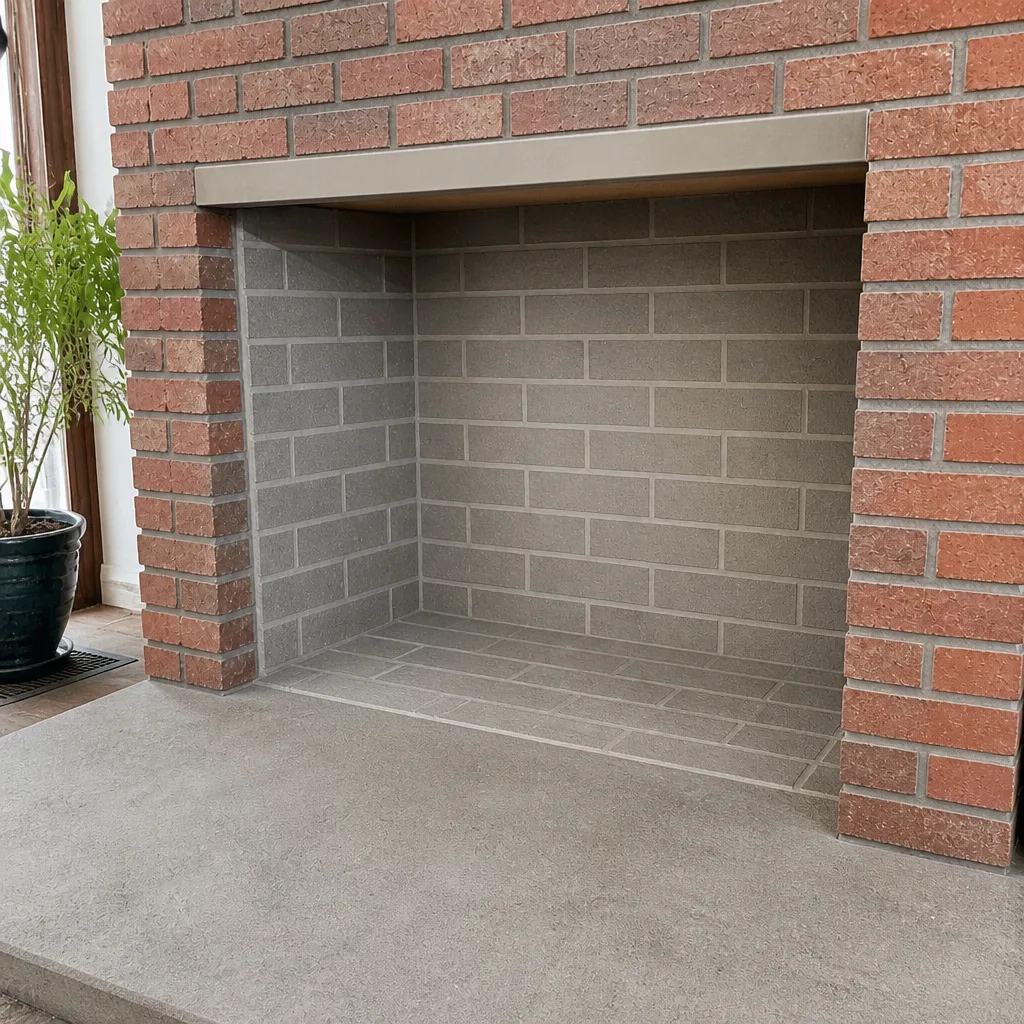
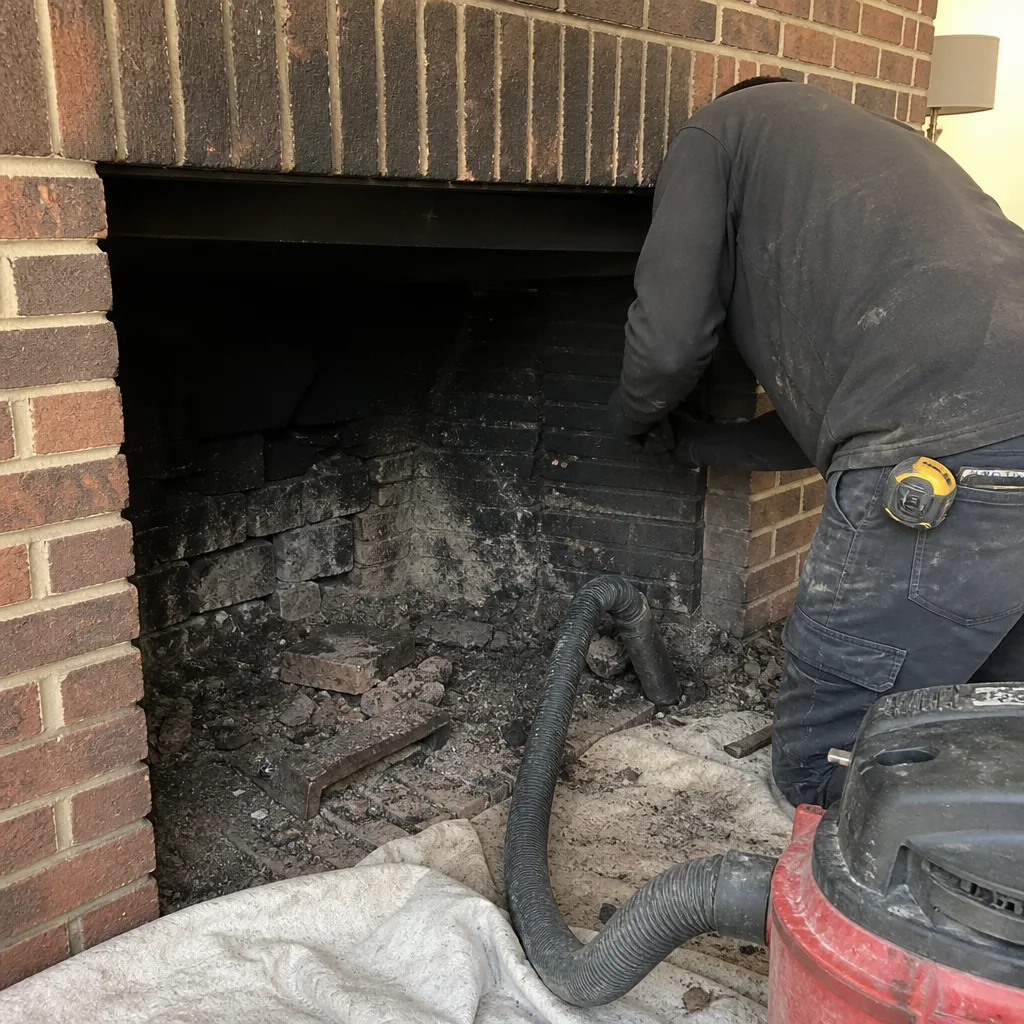
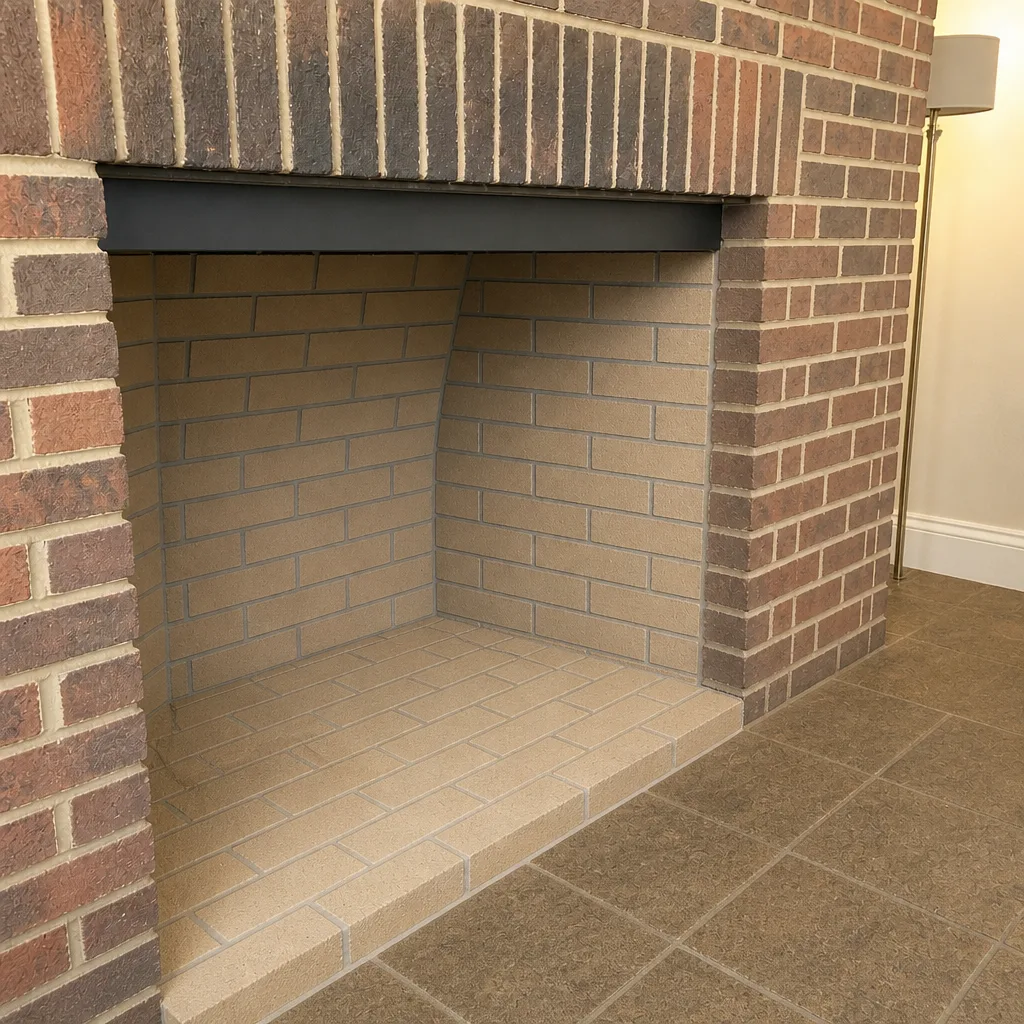
See the difference
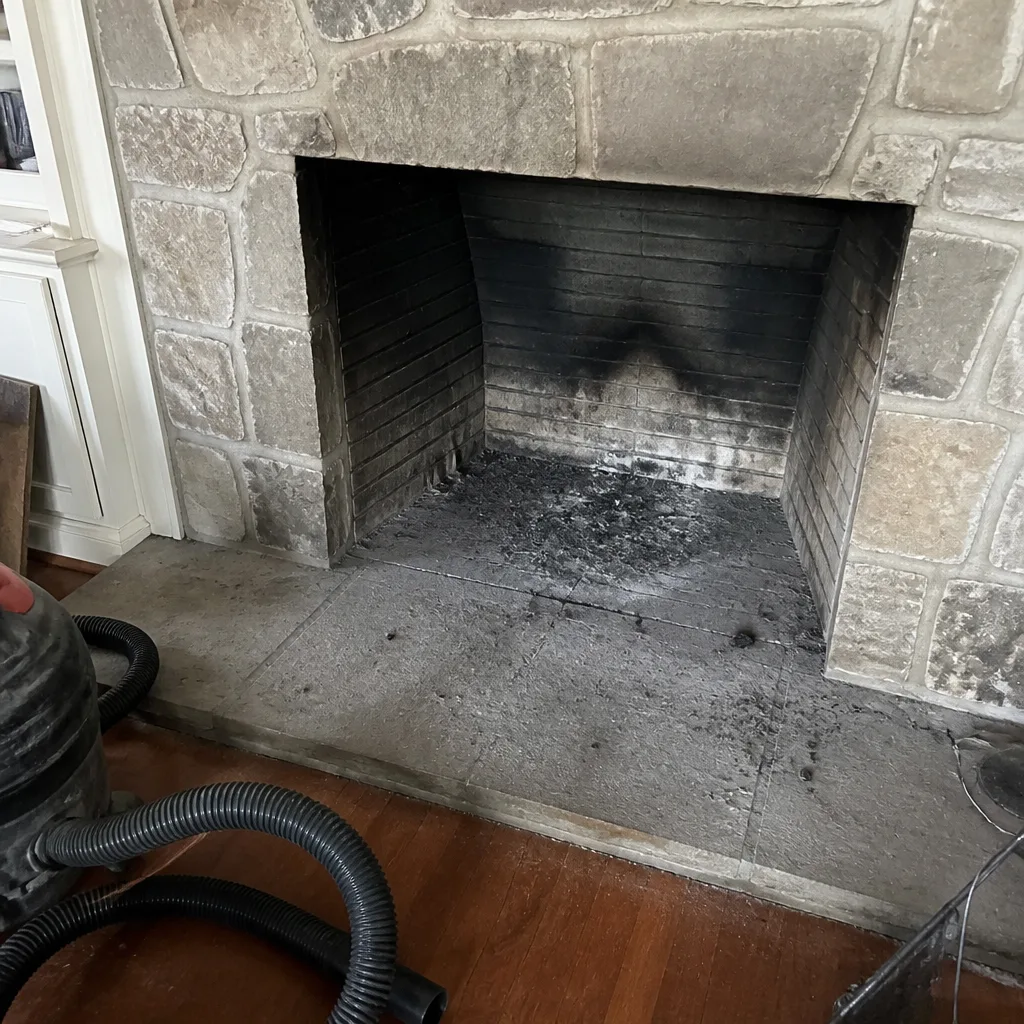 Before
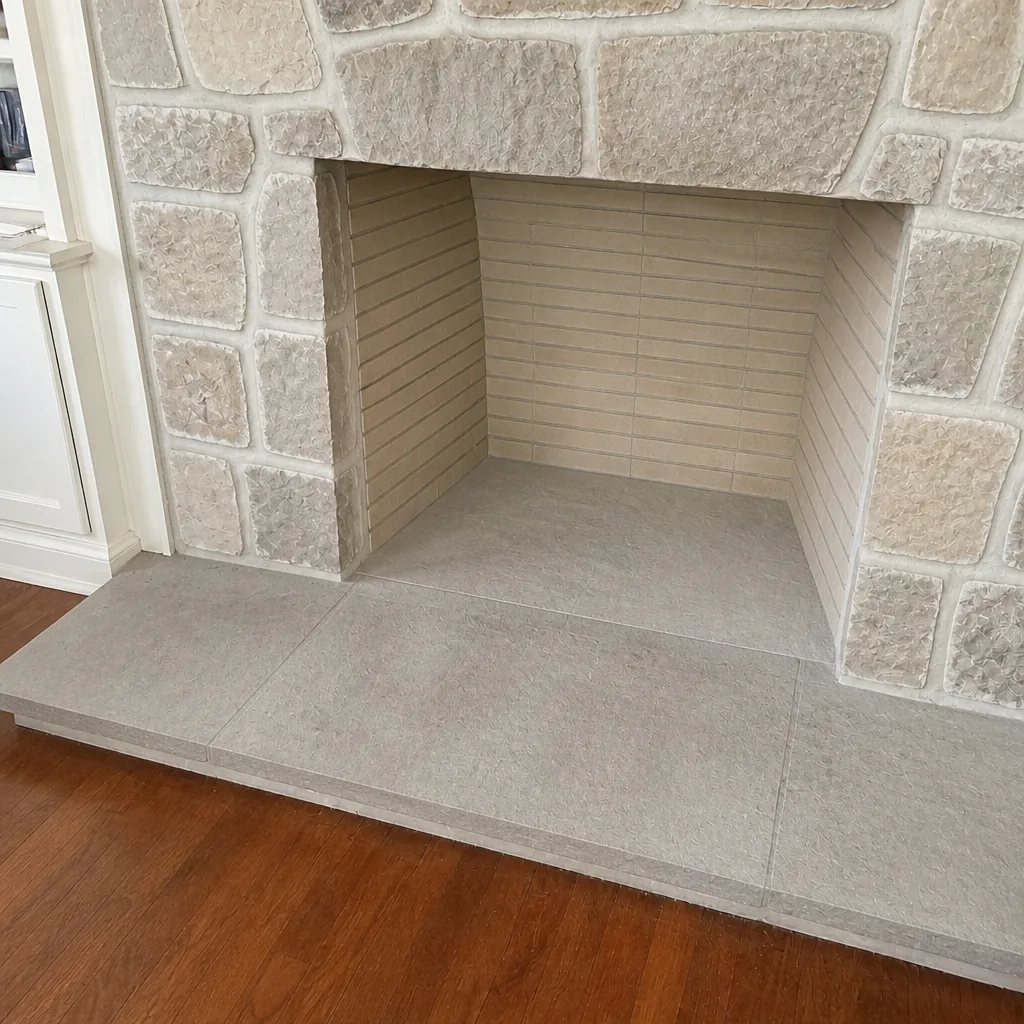 After
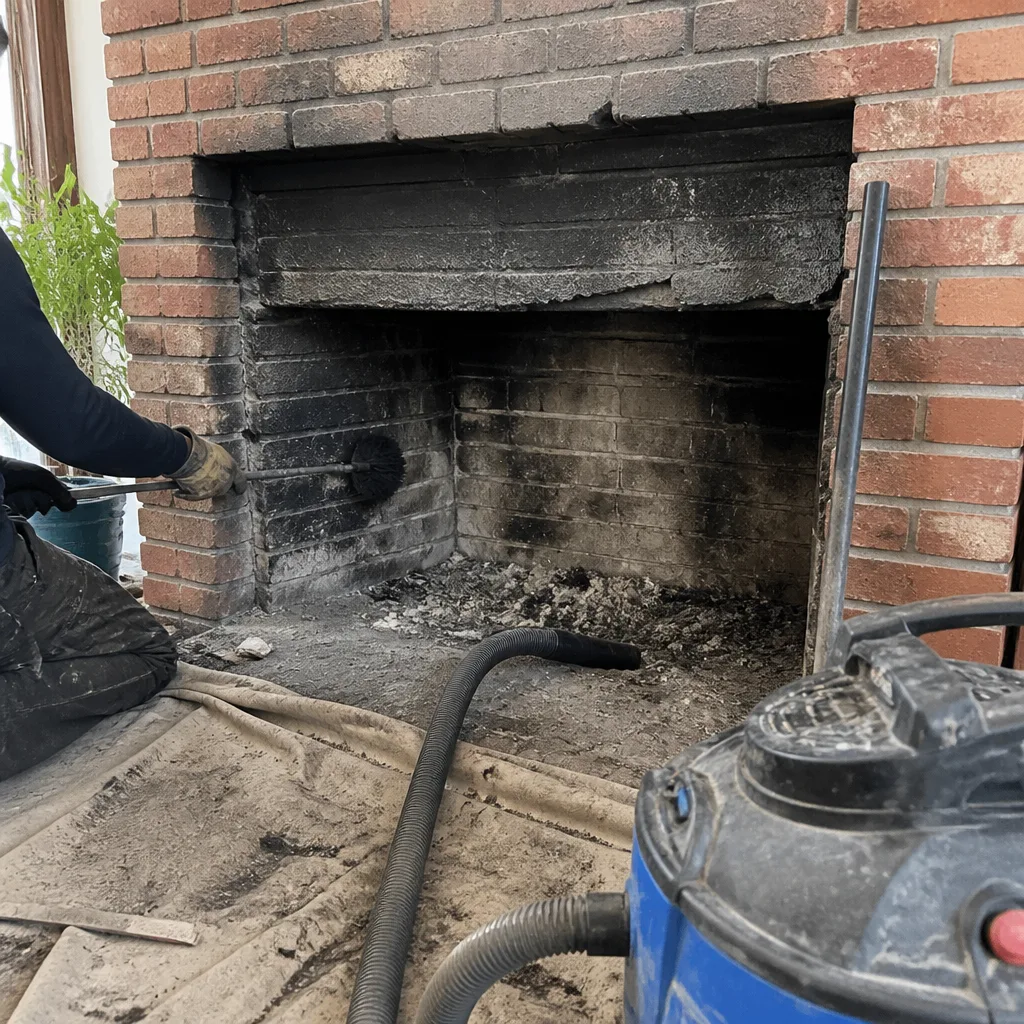 Before
 After
 Before
 After
When to Call a Professional
Call a professional when your chimney is doing anything other than what it did last season. That includes a flue that hasn’t been swept since you moved in, smoke that spills into the room when you light a fire, a cap that’s missing or rattling, or a crown with visible cracks. If your insurer or a home inspector has raised a concern, get the camera inspection first and the recommendation second. Liner work, smoke chamber repair, and any job that involves a hot flue or a roof at height aren’t weekend projects. The safety margin comes from a trained technician who has seen the failure patterns before.
Jasper Chimney Sweep offers free estimates in Winston-Salem – call (866) 343-2983. We answer 24/7. Fast dispatch from 7am to 7pm, Sunday through Friday.
Frequently Asked Questions
Look for brands with published specifications and installer resources you can read yourself: DuraFlex for flexible liners, HeatShield for smoke chamber resurfacing, and Gelco, Copperfield, or Famco for caps and dampers, among others. The point isn’t the logo; it’s that professional-grade brands document how their products are installed, which means your installer can be held to a written standard. Call (866) 343-2983 for an exact quote – estimates are free.
Ask to see the manufacturer’s installation instructions and compare them to the quote. A real answer names the brand, the gauge or the product family, and the application method. A vague answer names a material type and moves on. Cross-reference the brand name with the manufacturer’s own product data, and ask which parts of the job are done in-house versus subcontracted. If the sweep, inspection, and repair all go to the same team, the spec is more likely to be followed. Call (866) 343-2983 for an exact quote – estimates are free.
Yes. Standard parging smooths the surface but doesn’t give you the tested performance of a purpose-built smoke chamber sealant. HeatShield is applied in layers to rebuild the chamber’s shape and smooth its surface, which improves draft and reduces the surface area where creosote collects. It’s a specialized process, and it’s a material most generalist services don’t carry or know how to apply. Call (866) 343-2983 for an exact quote – estimates are free.
You need a new liner when the inspection actually shows a reason: cracked or missing clay tiles, an unlined flue, a corroded liner, or a gap between the appliance and the flue’s requirements. A quote without a camera inspection isn’t enough to answer the question. Ask to see the flue on camera, and ask which fuel type the flue serves and which alloy the liner is spec’d to match. If the answer is specific, the recommendation is usually real. Call (866) 343-2983 for an exact quote – estimates are free.
Freeze-thaw cycles are hard on masonry, crowns, and caps. Water gets into hairline cracks, freezes overnight, expands, and opens them further, so a compromised crown or a loose cap takes more damage here than it would in a milder climate. A heavier-gauge cap and a proper crown repair reduce that cycle’s effect. The fix is to check the top of the chimney as part of the sweep, not just the flue. Call (866) 343-2983 for an exact quote – estimates are free.
A sweep is the right starting point for most homes. The inspection that comes with it tells you whether there’s anything else going on. That’s the value of a full-system inspection paired with the sweep: you get a written understanding of your chimney’s condition, not just a cleaning receipt. If nothing needs repair, that’s what the report should say. Call (866) 343-2983 for an exact quote – estimates are free.
The Bottom Line
The products a chimney company uses are the part of the quote you can actually verify. Brands like DuraFlex, HeatShield, and Gelco come with published specs, installation requirements, and warranty terms – and that documentation is your leverage as a homeowner. Ask for the brand and the gauge. Ask which system goes on the smoke chamber. Ask who does the work. In Winston-Salem, where older masonry flues and freeze-thaw winters test every crown and cap, the difference between professional-grade materials and a generic substitute shows up in how long the repair lasts. Our technicians have up to 9 years of experience, and we’d rather answer these questions before the job than after it.
Call (866) 343-2983 for a free estimate. We answer 24/7. Fast dispatch from 7am to 7pm, Sunday through Friday.
Written by the team at Jasper Chimney Sweep.